





Introduction — Public transport or rental car: why this choice matters in Madeira
Madeira, the Portuguese archipelago tucked into the Atlantic, is famous for sheer cliffs, winding levadas and scenic roads that climb and drop through lush landscapes. Picking between public transport and renting a car isn’t just about money: it shapes your whole trip — your freedom to move, your safety and how deeply you’ll feel immersed in the island. In this practical, professional guide I’ll walk you through a clear, no-nonsense comparison so you can decide based on your travel style — whether you’re a hiker, someone who prefers comfort, a photographer chasing light, or just enjoying a foodie weekend in Funchal.
Public transport in Madeira consists mainly of intercity coach services (known locally as “horários” or “carreiras”) run by operators like Rodoeste, Horários do Funchal and SAM. These routes link Funchal with main towns (Câmara de Lobos, Ribeira Brava, Santana) and key points of interest (Pico do Arieiro, Pico Ruivo, Santana). Fares vary with distance: a Funchal–Câmara de Lobos trip typically costs around €2.20 to €4.00, while Funchal to Santana can be roughly €6.00–€9.00. Schedules are set for locals: main lines usually run between 06:00 and 22:00, with reduced frequency in the evenings and on Sundays.
By contrast, renting a car gives you unmatched flexibility to explore the north coast, reach viewpoints off the beaten track and photograph sunrises or sunsets at your own pace. International agencies (Avis, Hertz, Europcar) and local companies (Rodavante, Autatlantis) operate mainly at the airport and in central Funchal. Rental rates often start at €25 per day for a small city car in low season, but can easily climb to €50–€80 per day in high season for an SUV or if you add full coverage. On top of that you’ll pay fuel (petrol/diesel ~ €1.60–€1.90 per litre late 2025), parking and occasionally tolls.
This guide breaks down pros and cons, approximate costs, practical considerations (mountain driving, parking, safety), example itineraries and local tips to help you choose. I’ll list addresses, typical schedules and prices for concrete services like the Terminal Rodoviário do Funchal, the Monte cable car and airport rental desks. Whether you’re planning a three-day stopover, a week or longer, the sections below will help you optimise your budget, your time and your enjoyment on the island.
Public transport in Madeira — network, fares, timetables and what to expect
Madeira’s public transport network is centered on Funchal and made up of intercity coaches and local lines serving most municipalities. The main bus station in Funchal is the Terminal Rodoviário do Funchal (sometimes signed as « Parque de Santa Catarina »), close to the historic centre and the waterfront. Useful address: Terminal Rodoviário do Funchal, Avenida do Infante, 9000-019 Funchal. The main operators are Rodoeste (west), Horários do Funchal (Funchal-focused) and SAM (regional lines).
Fares and tickets: you can usually pay cash on board or use local transport cards (there are prepaid cards for Funchal shuttles). Expect typical fares of about €1.70 to €2.20 for an urban ride within Funchal, €3 to €8 for medium-distance intercity trips (Funchal–Câmara de Lobos, Funchal–Ribeira Brava), and €6 to €12 for longer journeys (Funchal–Santana, Funchal–Pico do Arieiro). Main lines normally run 06:00–22:00, though some early or summer services start as early as 05:30, and frequencies drop off in the evenings and on Sundays.
Highlights of taking the bus:
- Cost: much cheaper than renting, especially for solo travellers or couples.
- Simplicity: no parking hassles, no insurance excesses or security deposit to worry about.
- Access to popular spots: many lines serve Câmara de Lobos (Rua do Porto, 9300-011 Câmara de Lobos), Santana (Rua da Igreja, 9230-014 Santana) and Machico (Avenida Duarte Pacheco, 9200-224 Machico).
Limitations:
- Timetable: limited late-night services and sparse frequencies on smaller routes.
- Flexibility: to reach isolated viewpoints (e.g. Pico do Arieiro or some levada trailheads) you’ll often have a long walk from the nearest stop.
- Comfort: during high season buses can get crowded and you may have to carry hiking gear on winding roads.
Practical tips:
- Check timetables on official websites or at your hotel; ask about the last bus back in the evening.
- If you’ll be using Funchal’s urban buses frequently, consider a prepaid card to save on individual fares.
- For early hikes to Pico Ruivo (via Santana), catch the first bus to make the most of morning light and avoid midday heat in summer.
Car rental — cost, driving and tips for motoring in Madeira
Renting a car in Madeira usually equals freedom: you set the schedule, stop at viewpoints when you want, and explore northern valleys and villages without constraints. Rental desks are mainly at the airport (Aeroporto da Madeira Cristiano Ronaldo) and in central Funchal. Useful pickup/return address: Aeroporto da Madeira Cristiano Ronaldo, Estrada João Gonçalves Zarco, 9125-024 Santa Cruz (rental desks outside the arrivals terminal). Local agencies advertise rates from €25 per day for a small city car in low season; in high season or for an SUV expect €50–€80 per day. Basic insurance is sometimes included; full collision damage waiver without excess typically costs €8–€15 per day.
Driving considerations:
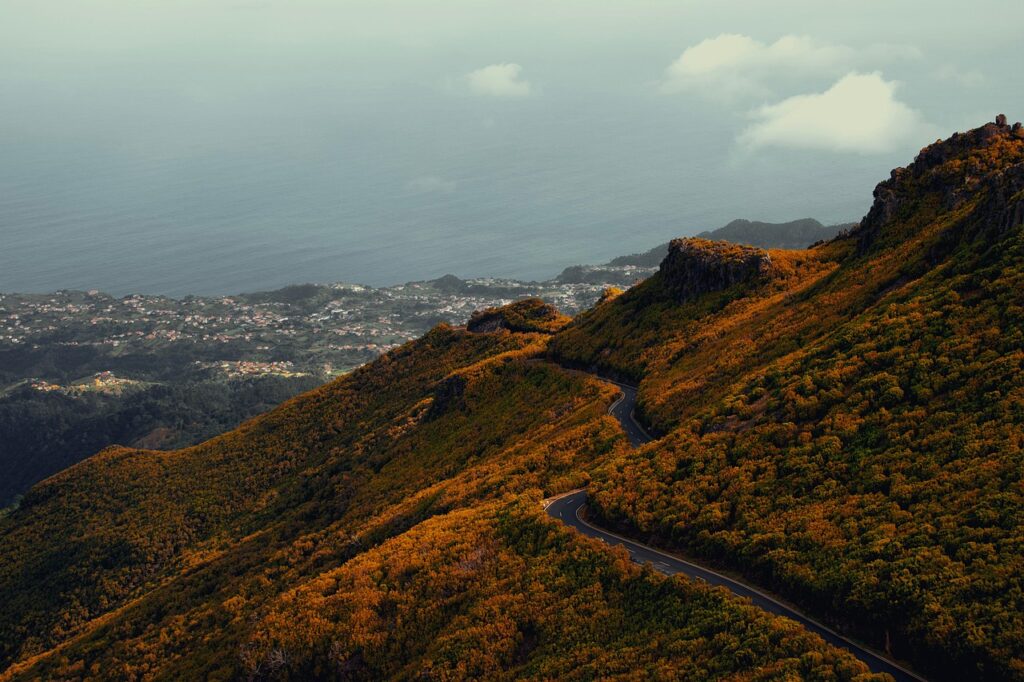
- Topography: roads in Madeira are often narrow, with sharp bends and steep gradients. Main roads (ER101, ER202, ER103) are well maintained, but secondary lanes can be steep and have few guardrails. Driving here requires attention and some experience of mountain roads.
- Parking: on-street paid parking in Funchal is common; typical rates are €0.75–€1.50 / hour depending on the zone. The covered parking « Parque de Santa Catarina » (Avenida do Mar) has daily rates around €6–€12. Address: Parque de Santa Catarina, Avenida do Mar, 9000-017 Funchal.
- Fuel: petrol prices hover around €1.60–€1.90 per litre (market-dependent).
Advantages:
- Access to remote spots (Miradouro da Ponta do Rosto, PR9 Levada dos 25 Fontes) at your chosen times.
- Space for luggage, camera gear or hiking equipment without restrictions.
Drawbacks:
- Cumulative costs (rental + fuel + parking + insurance + deposit) and the stress of driving on twisty roads.
- Potential extra charges (scratches, illegal parking) if you don’t follow local rules.
Local tips:
- Choose a compact car to handle narrow lanes more easily.
- Ask rental staff for local road maps and tips (tell them your destinations: Pico do Arieiro, Encumeada, Seixal).
- Avoid driving secondary roads at night — visibility and roadside protection are limited.
Practical cases and itineraries: when to choose bus or car
Your decision really comes down to three things: trip length, planned activities, and how comfortable you are driving in the mountains. Here are practical scenarios and clear recommendations with addresses and approximate timetables to help you choose:
1) Food-and-culture weekend in Funchal (2–3 days) — favour public transport:
- Sights: Mercado dos Lavradores, Praça do Município, Avenida do Mar.
- Address: Mercado dos Lavradores, Rua da Alfândega 15, 9000-018 Funchal (usually open 07:00–13:00, some vendors stay open in the afternoon). Free entry; local fruit prices €1–€4/kg depending on season.
- Getting around: urban buses and plentiful taxi options at night. Urban bus fare ~ €1.70 per ride.
2) Week of hiking (5–7 days) — combine rental and bus:
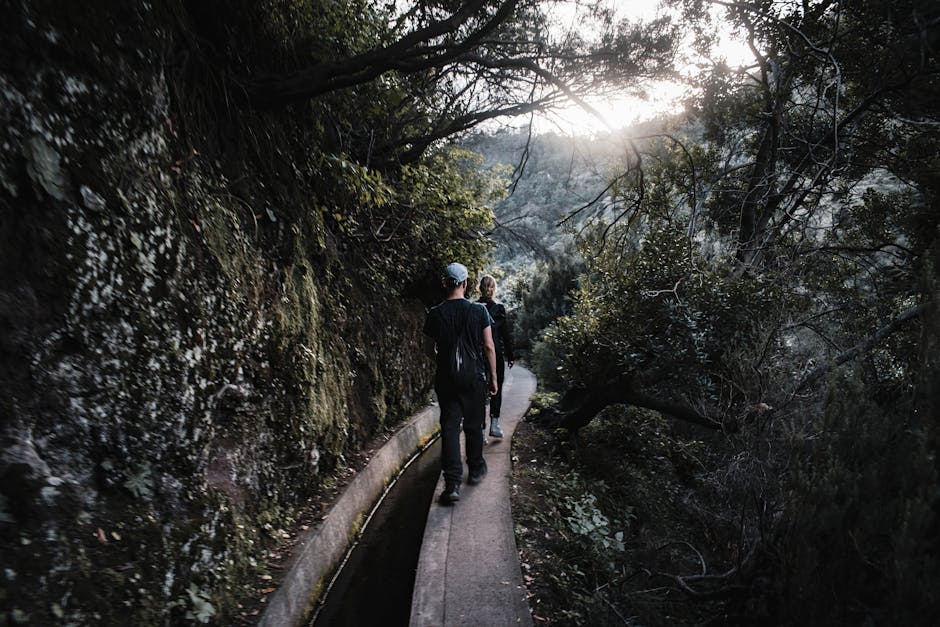
- Popular treks: Levada do Caldeirão Verde, PR9 Levada dos 25 Fontes (east). For some stages you’ll need an early regional bus (first departures around 06:00–07:00 depending on the line).
- Practical tip: rent a car for 2–3 days to reach remote trailheads (Camacha, Achadas da Cruz) and use buses for city returns.
3) Panoramic roadtrip (7–10 days) — rent a car:
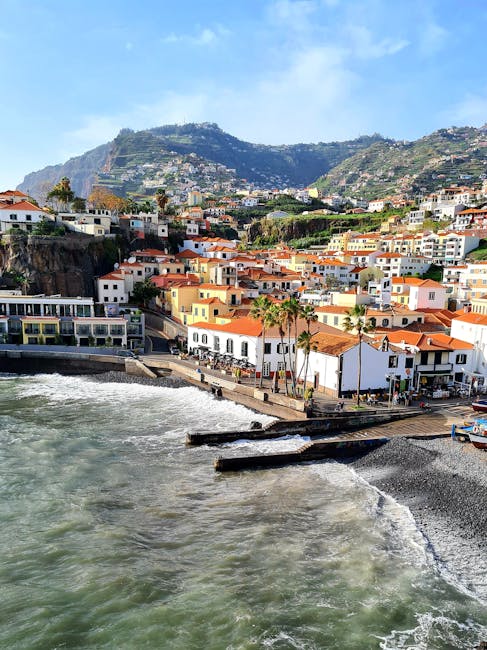
- Suggested route: Funchal → Câmara de Lobos (Rua do Porto, 9300-011) → Cabo Girão (Miradouro do Cabo Girão, 9300-177 Câmara de Lobos) → Ribeira Brava (Avenida 1.º de Maio, 9370-111 Ribeira Brava) → São Vicente → Santana (Rua da Igreja, 9230-014).
- Budget: average rental €35–€60/day, plus fuel and parking.
Concrete timetable examples:
- Funchal → Santana: frequent morning departures between 07:00 and 09:00, return services in the late afternoon. Typical fare €6–€9.
- Funchal → Câmara de Lobos: departures every 30–60 minutes, 06:30–21:30, price around €2.20. Check summer frequencies.
Bottom line: if you mostly plan to stay in Funchal and take short outings, take the bus. For an ambitious island-wide route, a car is the way to go. Unsure? A hybrid approach — renting for a few key days — often gives you the best of both worlds.
Conclusion — Summary and tailored recommendations
Choosing between public transport and renting a car in Madeira comes down to your priorities: budget, autonomy, safety and comfort. Public transport is an excellent option for short urban stays, travellers who want to keep costs down or those who prefer not to tackle mountain driving. Buses serve Funchal, Câmara de Lobos and several major tourist spots well; they’re cheap, but you’ll be working around timetables and logistics. Practical reminder: the Terminal Rodoviário do Funchal (Avenida do Infante, 9000-019 Funchal) is the main hub; allow extra time for return trips if you’re taking a bus late in the day.
Renting a car, on the other hand, gives you the crucial flexibility to reach remote corners, capture sunrise at Miradouro da Ponta do Rosto or drive the island’s panoramic northern roads. Budget realistically: rental, insurance, fuel, parking and possible extras. Opt for a compact vehicle, purchase adequate coverage and ask for local driving advice (avoid secondary roads after dark, check downtown parking rules). Important pickup/return address: Aeroporto da Madeira Cristiano Ronaldo, Estrada João Gonçalves Zarco, 9125-024 Santa Cruz.
My final recommendation, by traveller type:
- Urban / short stay (1–3 days): choose public transport and taxis — economical and stress-free.
- Hiker / itinerant (5–7 days): go for a mix of bus and short-term rental — hire a car for 2–3 days to reach isolated sections.
- Full roadtrip (7 days or more): rent a compact car, plan parking and insurance, and be prepared for spectacular but demanding driving.
Some final local tips: always carry some cash for small purchases and certain bus tickets, download timetables or keep a paper copy, and talk to your host or the rental desk staff for insider route recommendations. Madeira can be discovered by strolling alongside a levada or by pulling over at an isolated miradouro with your own vehicle — choose according to what you want to feel: freedom or simplicity?