





Introduction — Overpriced quintas in Madeira: what the photos don’t reveal
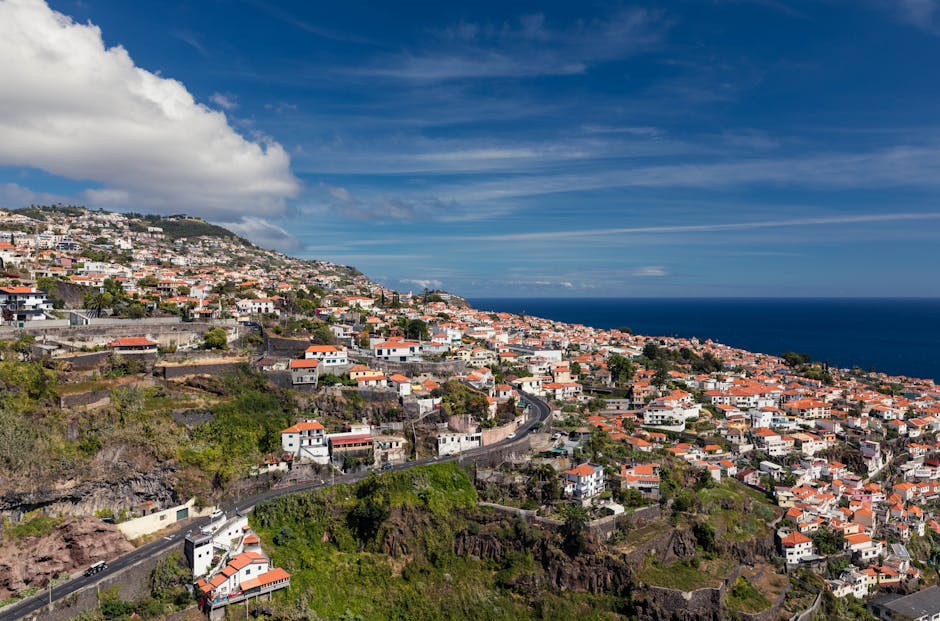
Madeira has a postcard image burned into people’s minds: sheer cliffs, lush gardens, colorful houses and those famous quintas — historic estates turned into museums, restaurants or boutique hotels. On Instagram and in many guides, a handful of quintas hog the spotlight: perfect photos, immaculate lawns, little terraces boasting Atlantic views. The problem is those images often hide what visitors actually experience on site. Between queues, inflated prices, standardized tours and marketing-driven services, a lot of visits start to feel the same. They’ve been staged for the camera — not necessarily for you.
This piece isn’t an attack on heritage or an ungrounded rant. Think of it as an anti-guide: an invitation to look behind the picture. I question the usual assumptions and the overinflated experiences to help travelers who want authenticity and meaning — not just a pretty snap. We’ll look at why some quintas are overvalued (and for whom), what concrete elements are often missing from the photos (noise, accessibility, hidden fees, lack of soul), and most importantly: I’ll offer practical, local-quality alternatives with addresses, indicative prices and opening hours. The goal isn’t to boycott, but to point you in the right direction.
When you see “Quinta” in the name of a place in Madeira, first picture a working estate shaped by time: a winter garden, a colonial house, terraces, orchards. Those features are lovely, but they don’t guarantee peace or authenticity. The most photographed quintas have become commercial attractions; they optimize viewpoints for photos, choreograph routes, and add souvenir shops. The result: an experience that often feels dehumanized. Photos don’t show the line to get in, the guide reciting words straight out of a brochure, or the entrance fee that hits you hard if you’re traveling on a budget.
Before rushing to the most “liked” quinta, take a minute to ask three simple questions: 1) Why is it famous? 2) What’s missing from the photo? 3) Is there a more honest local equivalent? In this offbeat guide I answer those questions and propose concrete alternatives — lesser-known quintas, private gardens, local museums or guesthouses that deliver the same beauty without the emotional overpricing. These picks were chosen for their authenticity, value for money, and genuinely Madeiran hospitality.
Why popular quintas are often overvalued (and who profits)
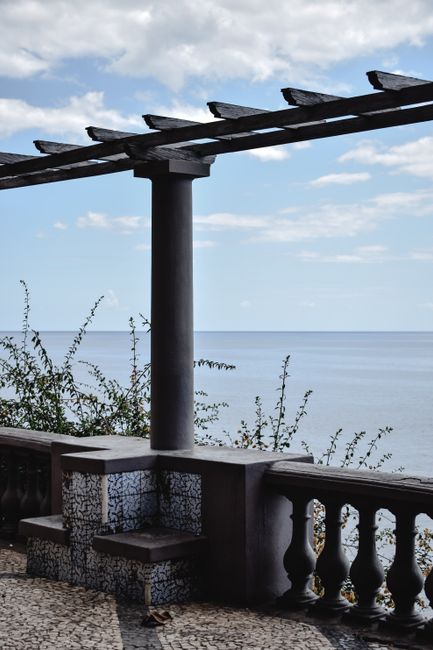
The mechanics of overpricing are straightforward: owners or managers turn local heritage into a tourist product. They invest in staging (Instagrammable landscaping, short explanatory panels, photo corners), outsource communications to agencies and sell a condensed experience. entrance fees, restaurant menus and guided tours are tuned for a global audience willing to pay for an image. Visitors end up paying for the staging more than for the real history or quality.
Concretely, here’s what photos almost never show: the actual size of the area open to the public (often limited), the visitor flow, paths that are off-limits, zones reserved for hotel guests, and hidden extras (tastings, guided tours, parking). Inside, the furniture may be faithfully reproduced but without the original objects; the “historic house” turns into a set. Gardens are maintained for camera-friendly angles, not necessarily for biodiversity. The result: a homogeneous product, reassuring for the hurried tourist, but hollow for someone seeking real connection.
Who wins? Local investors or hotel groups that capitalize on fame, influencers who monetize images, and sometimes the community if revenues are shared. Who loses? Visitors expecting immersion, small local producers who lack visibility, and, over time, cultural diversity that becomes standardized. This is especially visible in Funchal and along the south coast, where a few flagship quintas concentrate visitors and prices. A domino effect follows: when one quinta becomes a “brand,” others imitate it, and the destination ends up looking like a themed catalogue.
What photos don’t say: everyday experiences and locals’ perspectives
Locals often see things differently. For them, a quinta is not just a postcard; it’s a witness to agricultural history, a workplace, or even a family home. Photos, on the other hand, pick the most flattering angle. They hide constraints: limited access for people with reduced mobility, unmarked trails, lack of services off-season, underpaid staff at times, and opening hours that don’t always line up with hikes or boat crossings.
Another crucial point: seasonality. In winter and early spring some gardens have fewer blooms and certain rooms may be closed. Images shot at peak bloom don’t reflect the whole year. Also, the “private” experience promised by some quintas is sometimes conditional on high spending (expensive menus, optional tastings). Guides and brochures forget to mention these nuances, and the visitor discovers the real bill on site.
Finally, there’s the human scale: you’ll gain more meaning and history from a small gardener, a Madeira wine producer or the owner of a modest quinta than from a large property turned into a photo factory. Locals are happy to share their stories — if you take the time to listen. That’s where real value lies: in transmission, not in the photogenic object.
Concrete, honest and less overblown alternatives
Rather than another “best of” list, here are precise alternatives that deliver quality, authenticity and good value. I looked for places where the welcome feels real, the routes are less scripted, and you’ll come away with stories rather than clichés.
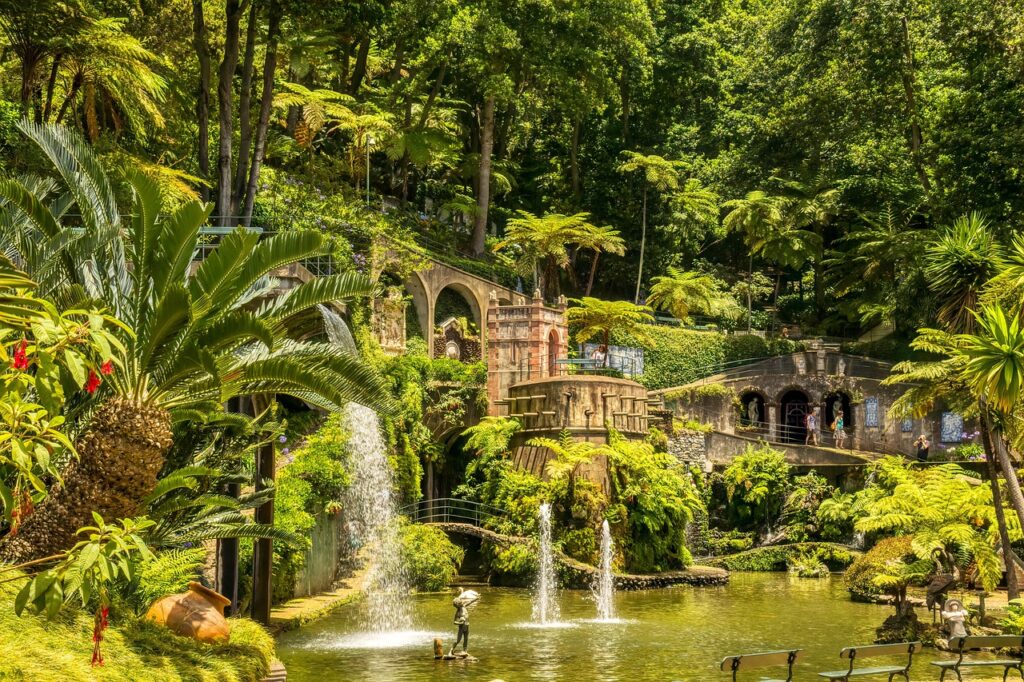
- Quinta do Monte — Monte Tropical Garden (reflective alternative)
Address: Jardim Botânico do Monte, Caminho do Monte 54, 9050-127 Funchal. Price: garden entry €8.50 (adult), €4.25 (ages 6–12). Hours: 09:00–18:00 (seasonal hours may vary). Why it’s an honest alternative: fewer shops, well-kept historic gardens, walk up to the church of Nossa Senhora do Monte. Booking: not necessary but arrive early to avoid groups. - Quinta do Barreirinha (small family quinta)
Address: Caminho do Monte, 9300-130 Santa Cruz (small rural property, visits by appointment). Price: guided tour €12 per person (includes tasting of local products). Hours: visits by appointment, generally 10:00–16:00. Why: authentic experience, direct conversation with the owners, private paths and organic orchards. - Quinta do Arco — Botanical Garden (less touristy garden)
Address: Quinta do Arco, Lugar da Lagoa, 9230-018 Caniço. Price: garden entry around €6 (indicative), check local site for confirmation. Hours: 09:00–17:00 (variable). Why: intimate botanical collection, less staging, atmosphere suited to slow discovery.
Practical tips: call or email to confirm hours and prices — many small places adjust their opening times according to season and demand. Buy local: olive oil, honey, jams and wines sold directly by small producers are often higher quality than souvenirs from large quintas. Prefer a private or small-group visit: for €10–20 more you’ll often get a local narration far better than a generic audioguide.
Conclusion — Travel differently in Madeira: choose substance over image
Overpriced quintas are symptomatic of a wider issue: turning heritage into a standardized photographic product. That’s not always bad — some sites deserve their reputation — but you need to read between the lines of the photos. Ask yourself if you want a visual souvenir or a sensory experience. Do you want to learn from a family that has farmed for generations, or take a pretty photo that will be quickly forgotten?
Madeira has enough variety to satisfy both desires. My advice: mix it up. Visit a big quinta if it brings you joy, but set aside time for local alternatives. Have a coffee in a small quintinha, buy vinho Madeira directly from the producer, or hire a local guide to take you off the beaten path. These choices often cost less, give more meaning, and let you leave with lasting memories: anecdotes, flavors and encounters.
Finally, show respect: respect the owners who open their doors, respect opening hours, and support local initiatives rather than handing all tourist value to marketing packages. Madeira’s true beauty isn’t only in the frame of a photo — it’s in the smell of wet earth, in a chat with a gardener, and in the taste of honey picked nearby. Plan your visits with that in mind, and you’ll discover quintas worth far more than their entrance fee.