





Introduction: living in Madeira as a non‑EU resident — overview and key considerations
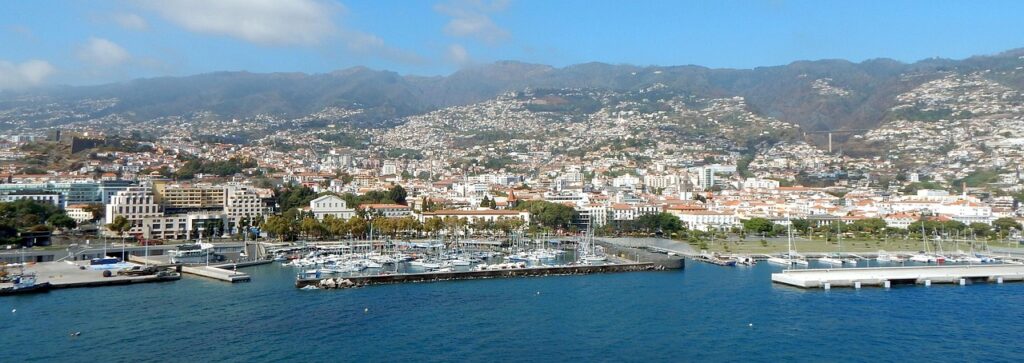
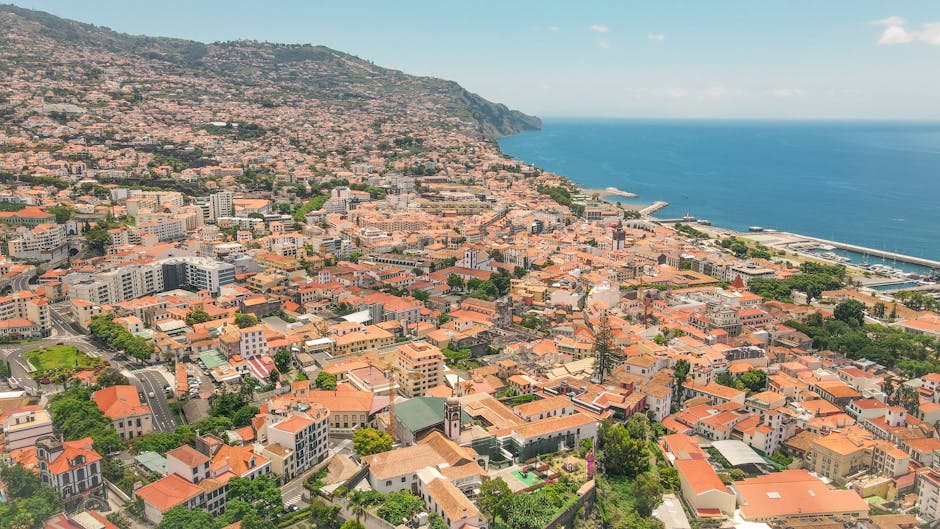
Madeira, a Portuguese archipelago tucked into the Atlantic about 860 km off the mainland coast, draws tens of thousands of newcomers every year — whether for work, retirement, or simply to enjoy a mild, green lifestyle. Funchal, the capital, the levadas etched into the hills, the island’s microclimates and a well‑organized public service network all make Madeira especially appealing. But for non‑EU nationals, the island dream begins with a series of administrative steps: securing the right visa, registering with Portuguese authorities, getting a tax number (NIF), opening a bank account, signing up for social security and healthcare, and finally receiving a residence permit. These stages require careful paperwork, specific documents and often appointments booked in advance.
This practical guide is designed to walk you through the whole administrative journey — from the initial application to obtaining a residence permit in Madeira. We outline the main local institutions in Funchal, their addresses, typical opening hours, approximate costs, and offer concrete tips to avoid common mistakes (missing documents, uncertified translations, unexpected delays). Procedures change regularly — always check official sources before you act — but this guide gives you solid benchmarks, pragmatic pointers and local tricks (for example: how to get a NIF without an appointment, where to find sworn translations in Funchal, or which offices to visit early in the morning to save time).
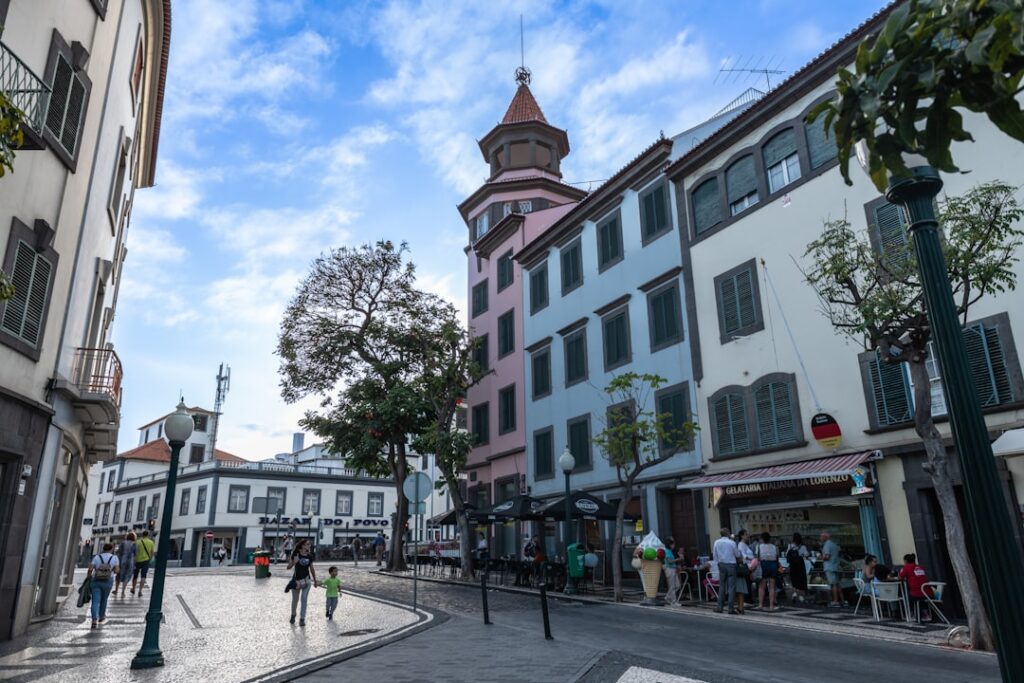
We cover: the pre‑entry national visa (type D) issued by Portuguese consulates, booking appointments for residence permit applications (temporary residence or authorization to stay), the role of local immigration services and « Loja do Cidadão » or « Centros de Apoio ao Imigrante », how to obtain the Número de Identificação Fiscal (NIF) at the Autoridade Tributária, registering with Segurança Social and the Serviço Nacional de Saúde (SNS) in Madeira, plus practical recommendations (costs, typical hours, addresses in Funchal, documents to photocopy/legalize, required health insurance). We also include visual orientation tips for getting around the city: landmarks, public transport, common parking spots and the online appointment procedures.
Lastly, because a successful move isn’t just about paperwork, the guide offers « on the ground » advice: emergency pharmacies, places for photocopies and certified translations, the most common banks in Funchal, and small hacks to make dealing with public services easier (e.g. arrive 30 minutes before opening, prepare two sets of copies, bring a recent proof of address). The goal is to turn a daunting administrative process into a manageable, efficient step so you can quickly enjoy the climate, scenery and island way of life.
1) Before you leave: visa application and document prep (consulate)
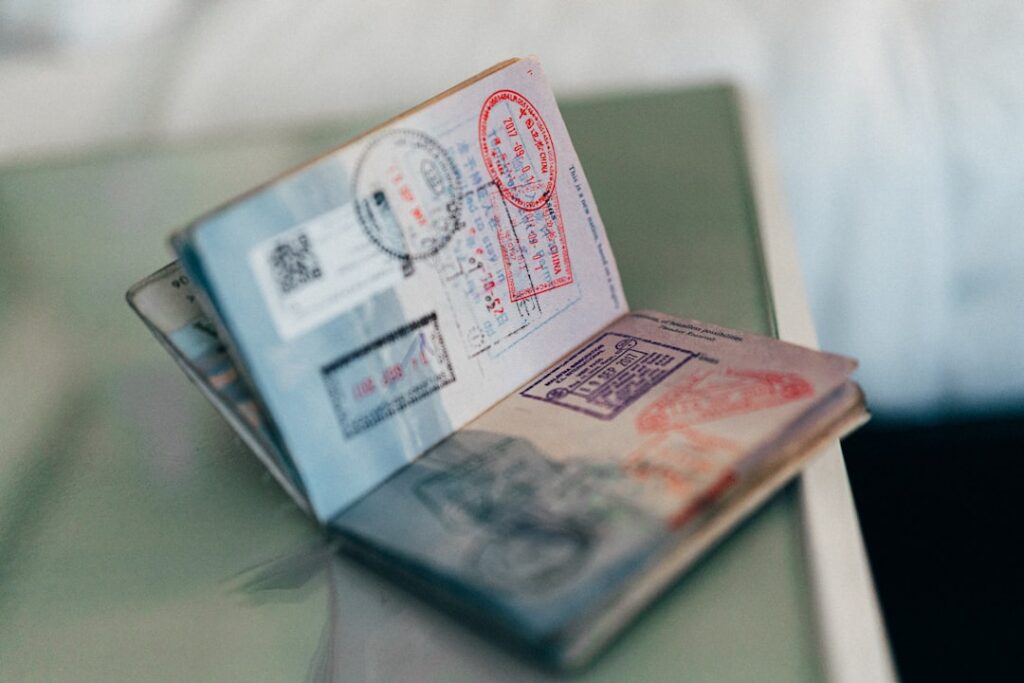
The crucial first step for a non‑EU national is obtaining the appropriate national visa (type D) before arriving in Portugal. This visa is required if you plan to apply for residence once in Portugal (for work, family reunification, study, retirement, or a D7 for passive income). You must submit your application to the Portuguese consulate with jurisdiction over your country of residence. A standard application file typically includes: a passport valid for at least six months after your intended arrival date, the completed visa application form, recent passport photos, proof of financial means (bank statements, employment contract, pension), proof of accommodation (rental contract or long‑term booking), travel insurance covering at least €30,000 for the initial months and a criminal record certificate translated if requested.
Practical tips: have key documents translated and legalized by a sworn translator (birth and marriage certificates); bring multiple paper copies; scan everything. Consular fees for a national visa vary: expect roughly €60–€90 for a type D visa depending on visa category and country. Processing times range from 30 to 90 days — plan ahead.
Address and opening hours (examples — check your local consulate): Consulate General of Portugal (varies by country) — address and hours differ; online appointment booking is almost always required. For any consular procedures after arriving in Madeira, refer to the Portuguese Consulate in your home country or the official Portuguese Ministry of Foreign Affairs website.
2) Arrival in Madeira: local registration and getting your NIF (Autoridade Tributária)
Once you arrive in Funchal, one of the first practical steps is obtaining the Número de Identificação Fiscal (NIF), essential for renting, opening a bank account, signing up for a phone line or utility contracts. The NIF is issued by the Autoridade Tributária e Aduaneira (Tax Office). In Madeira you can go to a local finanças office or many Loja do Cidadão locations that host a tax counter.
Recommended address: Loja do Cidadão de Funchal, Praça do Município, Avenida Arriaga 1, 9000-059 Funchal. Typical hours: Monday to Friday, 09:00–16:00 (closed weekends). Alternative: Serviços das Finanças de Funchal, Rua da Carreira 24, 9000-042 Funchal — hours: Mon–Fri 09:00–15:30. The NIF is usually issued free of charge if you apply in person; private agencies may charge a service fee (€20–€60).
Required documents: original passport, visa or proof of legal entry, proof of address (rental contract or hotel invoice) and a power of attorney if represented. Non‑residents who need a NIF may be required to appoint a fiscal representative residing in the EU (rules can vary by nationality). Local tip: arrive right at opening time — the NIF process is quick but queues can form; bring two copies of each document and a passport photo to speed things up.

3) Applying for a residence permit in Madeira: where, when and how
After securing your type D visa and arriving, you must start the residence permit application (Autorização de Residência) with the competent authorities. Historically the Serviço de Estrangeiros e Fronteiras (SEF) managed these procedures; following administrative reforms, multiple local services and regional delegations now process applications or coordinate appointments. In Madeira, applications are usually handled through the Delegação Regional de Serviços de Estrangeiros e Fronteiras or other designated regional offices. It’s essential to book an online appointment via the official Portuguese migration portal.
Reference address (main office in Funchal): Delegação Regional da Madeira — Avenida do Mar, nº 47, 9000-123 Funchal. Hours: Mon–Fri 09:00–13:00 and 14:00–17:00 (appointment required). Frequently requested documents: original passport and copies, entry visa, 2 biometric passport photos, NIF, proof of accommodation (rental contract or property deed), proof of financial means (bank statements, employment contract or pension proof), private health insurance (for the initial months), criminal record certificate and possibly a medical certificate.
Fees: for an initial temporary residence application expect an indicative total of €80–€110 (administrative fees and card issuance). The biometric residence card usually costs around €85–€100; exemptions or reductions may apply depending on status (family reunification, refugee status, etc.). Timelines: initial processing typically 30–90 days; if documents are missing the file will be returned for additional information, which prolongs the process. Tip: prepare a complete, well‑organized file with an index and table of contents to help the officer; include sworn translations if your documents are not in Portuguese.

4) Social security, healthcare and schooling: next steps after getting the NIF
Once your administrative process is underway, you should register with Segurança Social (social security) if you will work in Madeira, and with the Serviço Nacional de Saúde (SNS) for access to healthcare. Registering with Segurança Social allows you to contribute toward pensions, supplementary health insurance and social benefits. Registration can be done online via the Segurança Social website or in person.
Recommended office in Funchal: Segurança Social — Centro de Atendimento, Rua do Aljube 10, 9000-101 Funchal. Hours: Mon–Fri 09:00–16:00. For SNS registration (registering at the local health center) example address: Centro de Saúde de São Pedro, Rua Dr. Fernão de Ornelas 47, 9000-082 Funchal — clinic hours: Mon–Fri 08:00–20:00 (scheduled consultations). Documents: NIF, proof of residence, residence permit or proof that it’s being processed, ID/passport, employment contract or proof of income. Costs: SNS registration is generally free for residents, but consultation fees may apply (primary care visits around €4–€8; public emergency services may involve a variable co‑payment).
Schooling: if you arrive with children, go to the local Centro de Saúde to get the school health file and contact the Direção Regional de Educação da Madeira (Rua da Santa Maria 45, 9000-050 Funchal) to register for public school. Start enquiries early (January–May) to ensure a smooth school start. Local tip: request your SNS user card (cartão de utente) as soon as possible; for specialist consultations, booking by phone is often quicker than going to the counter.

5) Everyday life: banks, housing, translations and local tips to speed up procedures
After you’ve started the administrative processes, you need to sort daily life. Opening a bank account in Madeira is practically essential: major banks (Banco Comercial Português / Millennium bcp, Caixa Geral de Depósitos, Santander Totta) typically ask for NIF, proof of address and ID. Handy branches in Funchal: Millennium bcp — Avenida do Mar 10, 9000-033 Funchal (Mon–Fri 08:30–15:30), Caixa Geral de Depósitos — Praça do Município 2, 9000-059 Funchal (Mon–Fri 08:30–16:00).
Housing: for long‑term rentals agencies usually require proof of income, NIF, passport copies and references. Rents vary by location: central Funchal studios €450–€700/month, two‑bed flats €650–€1,400/month; expect a security deposit equal to 1–2 months’ rent.
Translations and legalization: Madeira has sworn translators in Funchal; example practice: Traductores Oficiais — Rua de Santa Maria 123, 9000-098 Funchal. Indicative cost: €20–€60 per page depending on language and urgency. Photocopy and scan shops are easy to find in central Funchal, rates about €0.10–€0.30 per page.
Local tips: arrive early for public services (queues form fast), always keep multiple certified copies, use the Portal das Finanças and the official immigration website to book appointments; consider private health insurance to cover the first months (roughly €30–€100/month depending on age and coverage). Finally, build local contacts: immigration lawyers (example: Advogados Madeira, Rua do Hospital 8, Funchal) can help with complex cases (family reunification, self‑employed work permits or tax situations).

Conclusion: plan ahead, get organized and integrate — for a smooth stay in Madeira
Moving to Madeira as a non‑EU resident combines strict administrative requirements with genuine opportunities for a high quality of life. From the initial visa to the residence permit, through obtaining a NIF and registering for social security and healthcare, each step calls for preparation, patience and correct paperwork. The key to success is anticipation: start your consular procedures well before departure, centralize your documents, make copies and sworn translations if needed, and book appointments online as soon as you can.
Public services in Madeira (Loja do Cidadão, Finanças, Segurança Social) are generally accessible but can have queues or delays; arriving early, being polite and presenting a clear, complete file will greatly speed things up. Don’t forget practical matters: open a local bank account, secure compliant housing, take out health insurance for the first months, and consult an immigration lawyer where necessary. Integration also involves learning some Portuguese: simple phrases, polite expressions and understanding procedures will smooth interactions. Use local resources — welcome centers, foreigner associations and expat networks — for up‑to‑date advice and on‑the‑ground support.
This guide provides a comprehensive roadmap to start the process in Madeira; however, rules and addresses may change: always consult official sites (Portal das Finanças, the Portuguese immigration site and regional portals of the Autonomous Region of Madeira) and confirm opening hours and fees before you go. With proper preparation, the administrative steps will become just a gateway to a new life marked by mild weather, volcanic landscapes and Madeiran friendliness.