




Introduction — Passport, ID card or visa: what to show on arrival in Madeira
Arriving in Madeira usually brings two opposite feelings: the excitement of setting foot on a green, mountainous island with a mild climate year-round, and the practical need to comply with international entry rules. Madeira is an autonomous region of Portugal and, as such, follows European Union and Schengen entry rules for most travelers. However, required documents differ noticeably between EU/EEA/Swiss citizens, post‑Brexit UK nationals, and visitors from Latin America, Asia or Africa. This up‑to‑date, practical guide explains exactly what to present on arrival in Madeira: passport, ID card, visa, plus exact addresses, opening hours, fees and local tips to avoid surprises at the airport, the port or at an official office.
We cover in detail: the main airport Cristiano Ronaldo (Aeroporto Internacional da Madeira Cristiano Ronaldo), Funchal port (Porto do Funchal) for sea arrivals, the small Porto Santo airport (Aeroporto de Porto Santo), and local immigration offices. You’ll find practical info: which documents to show depending on your nationality, permitted lengths of stay, Schengen short‑stay visas (type C) and their fees in euros, indicative opening hours for immigration services, and concrete tips — for instance, what to do if your passport is lost, how to contact the Polícia de Segurança Pública (PSP), or where to get a stamp and how much any administrative steps may cost.
Alongside formalities we also outline essential customs rules (declaring cash, alcohol and tobacco limits), best practices to speed up immigration, and local recommendations (addresses for hotels or car rental agencies that assist travelers with administrative issues). The article includes visual markers to better locate the places mentioned: arrivals halls, immigration counters, Funchal port quays and the exterior of Cristiano Ronaldo airport in Santa Cruz. If you’re preparing a trip to Madeira for a holiday, business or to join family, this guide will help you arrive calmly and anticipate the necessary paperwork.
1) General entry rules for Madeira: EU, Schengen, UK and third countries
Madeira is an autonomous region of Portugal and therefore follows the entry rules applicable to Portuguese territory. In practice:
- Citizens of the European Union, European Economic Area (EEA) and Switzerland: you can enter Madeira with a valid national ID card or a passport. The document must be in good condition; a national ID card (for example a French Carte Nationale d’Identité) is sufficient for short tourist and business stays.
- United Kingdom (post‑Brexit): British nationals now need to present a valid passport. Rules generally allow visa‑free stays of up to 90 days for tourism/business within a 180‑day period, but it’s strongly recommended to have at least six months’ validity remaining on your passport — although officially 3 months beyond the intended departure date may be sufficient for some countries.
- Third countries (non‑EU/EEA/CH): entry depends on whether you are a citizen of a country that benefits from a Schengen visa exemption (United States, Canada, Brazil, Australia, Japan, etc.) or if you need a Schengen visa. Many nationals may stay up to 90 days within a 180‑day period without a visa. Others must obtain a Schengen short‑stay visa (type C) from a Portuguese consulate or visa center.
Important: local authorities at the point of entry (airport or port) may ask for proof of a return ticket, sufficient funds or a confirmed accommodation booking. General guidance recommends a passport valid for at least 3 months beyond your planned exit from the Schengen area, but airlines can impose stricter requirements. Check with your carrier and the Portuguese consulate before you travel.
Hours and operations: immigration checks are carried out at main entry points according to flight and ship schedules. At Aeroporto Internacional da Madeira Cristiano Ronaldo (address: Estrada do Aeroporto, 9400‑405 Santa Cruz, Madeira, Portugal), the arrivals hall is open and staffed 24/7 during flight operations. At ports such as Porto do Funchal (Avenida do Mar e das Comunidades Madeirenses, 9000‑027 Funchal, Madeira, Portugal), maritime arrivals are generally processed according to cruise and ferry timetables (the port terminal is typically active between 07:00 and 22:00, season dependent).
2) Specific documents: passport vs ID card, validity and recommendations
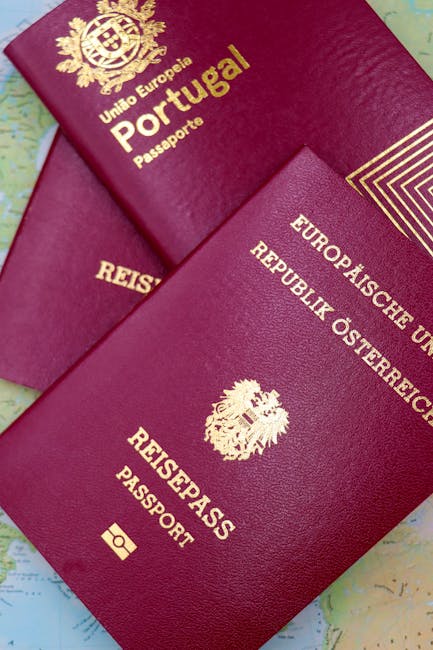
The practical difference between an ID card and a passport mostly depends on your nationality. For EU and EEA citizens, a national ID card (for example the French Carte Nationale d’Identité, Spanish Documento Nacional de Identidad or Italian carta d’identità) is accepted. However, a few practical tips apply:
- Condition of the document: the ID card should be in good condition (photo clearly legible, no tears). If it’s damaged, customs or the airline may refuse boarding.
- Validity: check the expiration date. For passports, although the Schengen rule mentions 3 months’ validity beyond the planned departure date, it’s recommended to have at least 6 months’ validity to avoid airline issues. For ID cards, the date printed on the document is decisive.
- Biometric passports: more convenient for automated checks, but not mandatory to enter Madeira if you are an EU citizen.
Concrete examples:
- A French traveler with a valid ID card can board a flight Paris — Funchal without a passport.
- A British citizen post‑Brexit must present a passport (airlines require it); the British ID card is no longer accepted for most tourist travel to Portugal.
- An American, Canadian, Brazilian or Australian visitor must present a passport; a visa is not required for short tourist stays (subject to the 90/180 rule), but the passport must be in good condition.
Beyond validity, make photocopies of your documents and store a digital copy in the cloud or by email. If you lose your documents in Madeira, go immediately to the local police station (Polícia de Segurança Pública — PSP) and to your embassy/consulate. Example: Polícia de Segurança Pública (PSP) — Esquadra da Zona Velha, Rua do Ribeirinho 17, 9000‑061 Funchal; phone: +351 291 703 000 (hours vary, generally 24/7 for urgent reports).
3) Schengen visas, fees, procedures and local offices in Madeira
If you need a visa to enter the Schengen area, the most common type is the Schengen short‑stay visa (type C). Rules and fees in 2026 are generally as follows (always check the Portuguese consulate for updates):
- Standard fee: 80 euros for an adult (short‑stay visa fee).
- Children: 40 euros for children aged 6 to 12; free for children under 6.
- Processing time: on average 15 calendar days, but apply 2 to 3 months before travel during high season.
Practical steps: submit your application to the competent Portuguese consulate or through an authorized visa center (VFS Global, TLScontact depending on the country). Required documents are standard: signed application form, recent passport photo, travel insurance covering at least €30,000, proof of accommodation, return ticket, proof of funds and, if necessary, an invitation letter. Additional fees (appointment booking, visa center service) vary: for example VFS may charge €20–30 service fees depending on the country.
On the island, for administrative questions contact:
- SEF — Serviço de Estrangeiros e Fronteiras (local office): Avenida Zarco 26, 9000‑078 Funchal, Madeira, Portugal. Indicative hours: Monday–Friday 09:00–16:00 (hours may change, it’s best to call ahead: +351 291 200 000). SEF handles residence permits, extensions and specific situations.
- Delegação da Cidade do Funchal — Conservatória/Registo: Praça do Município 1, 9000‑273 Funchal — useful for civil formalities and certain local registrations.
If you arrive without a required visa, consequences range from denied boarding to refusal of entry on arrival and mandatory return, possibly with removal costs. Airlines are often obliged to check your right to enter before boarding; they may also charge for your return. Therefore, plan ahead and obtain the visa before traveling.
4) On arrival: procedures at Funchal airport, the port and practical tips for a quick passage
Aeroporto Internacional da Madeira Cristiano Ronaldo (Estrada do Aeroporto, 9400‑405 Santa Cruz) is the most common entry point. On arrival:
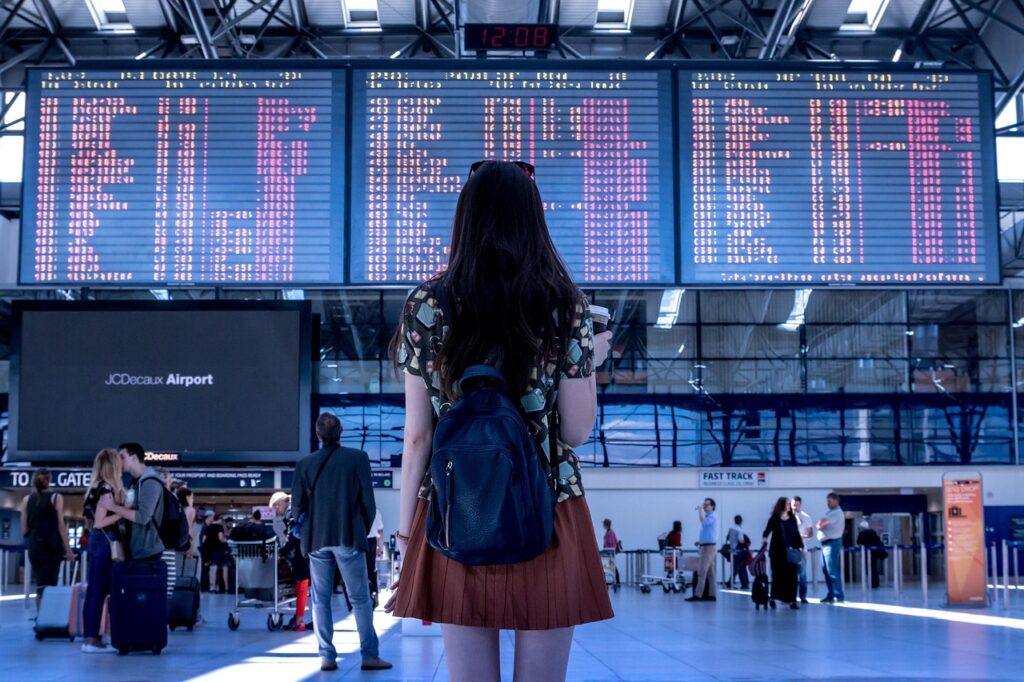
- Arrivals hall: after disembarking follow the signs for « Arrivals » and « Passport Control / Border Inspection ». Queues are usually organized by category: EU citizens and non‑EU separated in most cases. Expect random document checks, especially during peak tourist periods.
- Hours: immigration desks operate according to flight schedules; the airport handles international flights throughout the day and staff are available 24/7 during arrivals. If your flight is late, personnel will still be on hand to process formalities.
- Customs checks: after immigration you’ll pass through customs. Declare any cash over €10,000. Items subject to restriction (food products, medication) must be declared.
For sea arrivals, Porto do Funchal (Avenida do Mar e das Comunidades Madeirenses, 9000‑027 Funchal) mainly handles cruise ships and ferries. Port immigration officers work according to ship schedules; for cruise passengers, formalities are often coordinated through the cruise company. If you arrive by ferry from Porto Santo, controls are lighter but you must still present a valid identity document.
Local tips to speed up your passage:
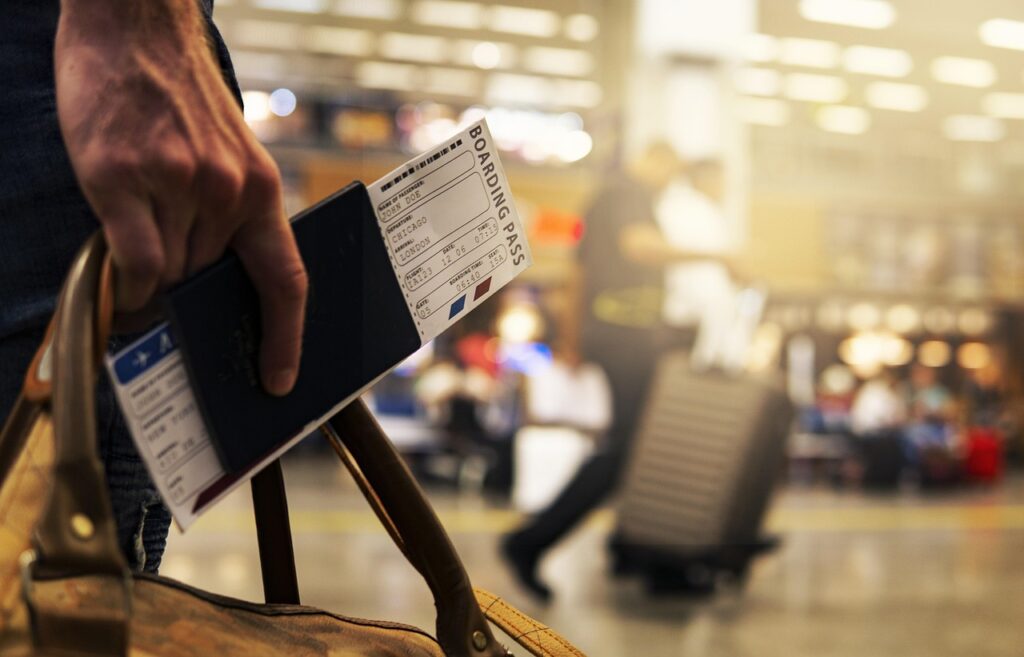
- Have your documents ready before collecting luggage (passport or ID card, boarding pass and accommodation confirmation).
- Use priority lanes if eligible (e.g. families, elderly travelers, diplomatic passport holders).
- If connecting within Schengen to Madeira, make sure your transfer is confirmed by the airline — sometimes re‑check‑in is required, which adds time.
- If you have a problem (missing document, required visa), go to your airline’s desk or the local SEF office as soon as possible. Keep handy useful numbers: Aeroporto Cristiano Ronaldo Assistance +351 291 520 000; Porto do Funchal terminal +351 291 201 000.
In an emergency (loss/theft of documents) go to the nearest police station or the airport assistance desk: lost & found and the police can help you file a report. Then contact your embassy or consulate to obtain an emergency travel document or temporary travel document. For European citizens, issuance of an emergency travel document can be quick but depends on the consulate and the supporting documents provided.
5) Special situations and local tips: lost documents, extending your stay, customs characteristics
Common scenarios and practical solutions:
- Lost or stolen passport: report the loss/theft immediately to the Polícia de Segurança Pública (PSP). Main station in Funchal: Rua do Aljube 15, 9000‑017 Funchal — phone: +351 291 203 000 (24/7). Then contact your embassy or consulate. For example, the French embassy (for French nationals) can issue an emergency travel document (ETD) upon presentation of identity proofs and a loss report. Fees and processing times vary: emergency documents may cost between €30 and €100 depending on the country and consular service.
- Extending your stay: if you need to stay beyond the 90 days allowed by a short‑stay visa, contact SEF: Avenida Zarco 26, 9000‑078 Funchal, hours: Monday–Friday 09:00–16:00. Extensions for exceptional reasons (health, force majeure) are handled case‑by‑case.
- Customs and declaring money: any amount over €10,000 (or equivalent) carried in cash must be declared to customs. Food items, plants and some medications may be subject to restrictions. For more information: Serviço de Alfândega da Região Autónoma da Madeira, Avenida Arriaga 20, 9000‑064 Funchal.
Additional local tips:
- Keep a second ID copy separate from your originals.
- Always carry accommodation confirmations (hotel bookings with exact address): for example, Hotel Quinta da Casa Branca, Rua da Casa Branca 22, 9000‑088 Funchal — booking proof is sometimes requested on arrival. Indicative rates: double rooms from €120 depending on season.
- Bring a small amount of euros for immediate expenses (taxi, emergency fees). ATMs (Multibanco) are widely available at the airport and in town; some operate 24/7, and card fees vary by bank.
Conclusion — Arrive relaxed in Madeira: practical recap and final recommendations
In short, arriving in Madeira is usually straightforward if you prepare your documents in advance. For most European travelers a valid national ID card suffices, while UK nationals and third‑country nationals must present a valid passport. If a Schengen visa is required, plan to apply at least 2 to 3 months before departure: the standard fee is €80 for adults (€40 for ages 6–12, free under 6), and additional service fees may apply via visa centers. At Cristiano Ronaldo airport (Estrada do Aeroporto, 9400‑405 Santa Cruz), immigration formalities follow flight schedules, and at Funchal port (Avenida do Mar e das Comunidades Madeirenses, 9000‑027 Funchal) checks depend on ship calls. For any incident, local authorities — Polícia de Segurança Pública (PSP) and SEF — have offices in Funchal to assist.
Practical tips to travel with peace of mind: check document validity (ideally 6 months for passports), carry paper and digital copies, have travel insurance covering repatriation and incidents, and keep useful numbers (airport +351 291 520 000, SEF +351 291 200 000, PSP +351 291 203 000). If you plan to arrive by ferry or via Porto Santo, adapt these tips to the small Porto Santo airport (Aeroporto de Porto Santo, 9400‑281 Porto Santo) where services are more limited but efficient for inter‑island connections.
Finally, remember rules can change: always consult the official website of the Portuguese Ministry of Foreign Affairs or your country’s consulate before departure. Local staff at the airport and port are used to handling travelers and can provide on‑site information; stay calm, organized and courteous, and Madeira will welcome you with its landscapes, cuisine and warm hospitality. Safe travels and enjoy the Flower Island!