




Introduction: Understanding Length of Stay in Madeira and the 90-Day Schengen Cap
Madeira, the Portuguese archipelago out in the North Atlantic, charms visitors with dramatic cliffs, lush levadas, charming villages and mild weather year-round. Lots of travelers dream of staying for weeks or even months — remote working from Funchal, an early retirement by the sea, or simply an extended holiday to explore the islands. But before you book a one-way ticket to Aeroporto Cristiano Ronaldo (Aeroporto Cristiano Ronaldo, Estrada do Aeroporto, 9100-105 Santa Cruz, Madeira), it’s essential to understand how the « 90-day Schengen » rule can limit your stay and what legal options exist to extend it safely.
Many international visitors think of the archipelago as somehow separate, but legally Madeira is part of the Portuguese Republic and therefore fully inside the Schengen Area. That means if you’re not an EU/EEA or Swiss national, your entry from a third country is governed by the standard 90 days in any 180-day period rule across Schengen. This rule is often misunderstood: it doesn’t mean « 90 days per country » but « 90 cumulative days across the whole Schengen area on a rolling 180-day window. »
This article is a practical, comprehensive guide for travelers planning a short (a few weeks) or longer (several months) stay in Madeira. I’ll explain how the 90-day rule applies to Madeira, how to count your days, the penalties for overstaying, administrative routes to legally stay longer (Portuguese national visas, residence permits, temporary exemptions), plus local tips — useful Funchal addresses, opening hours, sample prices, can’t-miss activities, and tricks to live like a local.
You’ll also get concrete reference points: addresses of institutions, opening hours for major attractions (for example Mercado dos Lavradores, Caminho do Monte and Monte Palace Tropical Garden), approximate prices for cable cars and local transport, and advice on planning your itinerary while respecting Schengen limits. The goal is to prepare you for a stress-free stay, whether you’re planning a month of hiking the levadas or trying to establish longer residency in Madeira through legal Portuguese channels.
Before we dive into administrative details, remember: ignorance of the rules won’t protect you. Overstaying the 90-day allowance can mean fines, a temporary ban on reentering Schengen, or trouble getting visas in the future. Conversely, good preparation will let you fully enjoy Funchal’s colorful markets, the breathtaking viewpoints like Cabo Girão, the botanical gardens, and the small seafood restaurants along the harbor while staying on the right side of the law. In the sections below we break down the rules, show how to calculate your days, present practical solutions for longer stays, and share specific local recommendations for Madeira.
1) The 90-Day Schengen Rule Explained: Basics, Calculation and What It Means for Madeira
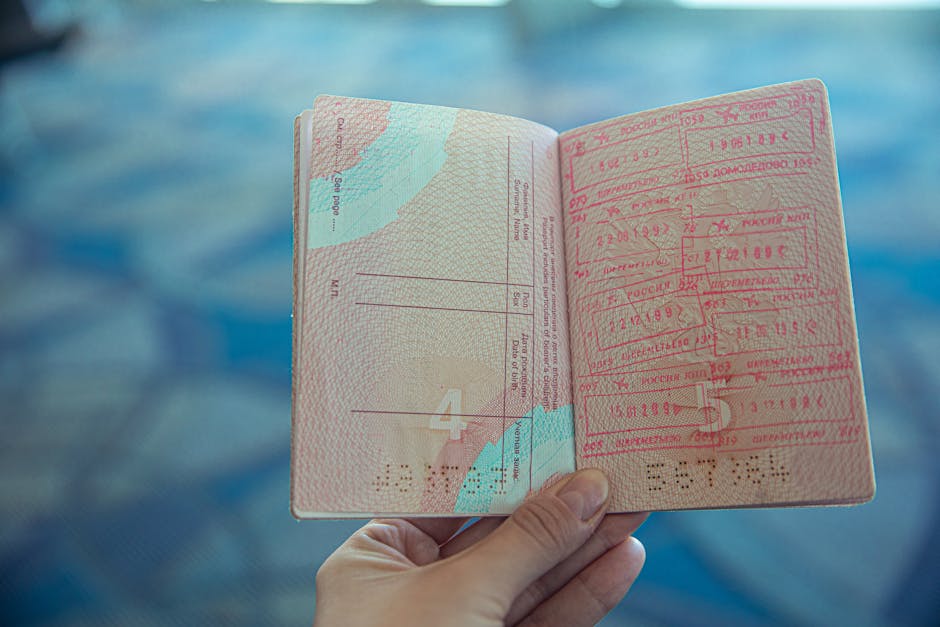
The 90-day rule in the Schengen Area sounds simple in theory but can be tricky in practice. It’s stated like this: a national of a third country without a residence permit in any Schengen state may stay a maximum of 90 days within any 180-day period across the entire Schengen Area. That includes Madeira, which is fully Schengen territory via Portugal. In other words, if you arrive in Madeira from a non-Schengen country or after a long international trip, your days in Madeira immediately count toward that 90-day total.
How do you calculate it precisely? The official method is to look back over the last 180 days from your intended entry date. Add up all the days you’ve spent in Schengen during those 180 days; you must not exceed 90. To keep it simple: use a calendar and mark every entry and exit. There are online calculators (90/180 day calculators), but keep a paper copy or a file with your entry and exit dates in case authorities question you at the airport.
Concrete example: if you arrive at Aeroporto Cristiano Ronaldo on May 1 and haven’t been in Schengen in the previous six months, you can stay until July 29 (90 days) before you must leave Schengen. If you return on September 1 you’ll need to recalculate over the prior 180 days and you may well have already used some of your allowance. Note: entry and exit days are counted. Generally, each night spent counts as one day.
What happens if you overstay? Consequences vary: future entry refusal, fines, temporary bans on staying in Schengen. Border police can enforce penalties directly in some cases; in others the immigration authorities handle the matter. Sanctions can seem harsh compared with the number of extra days: even one or two days over can create problems on return. So it’s critical to plan and stick to the calculation.
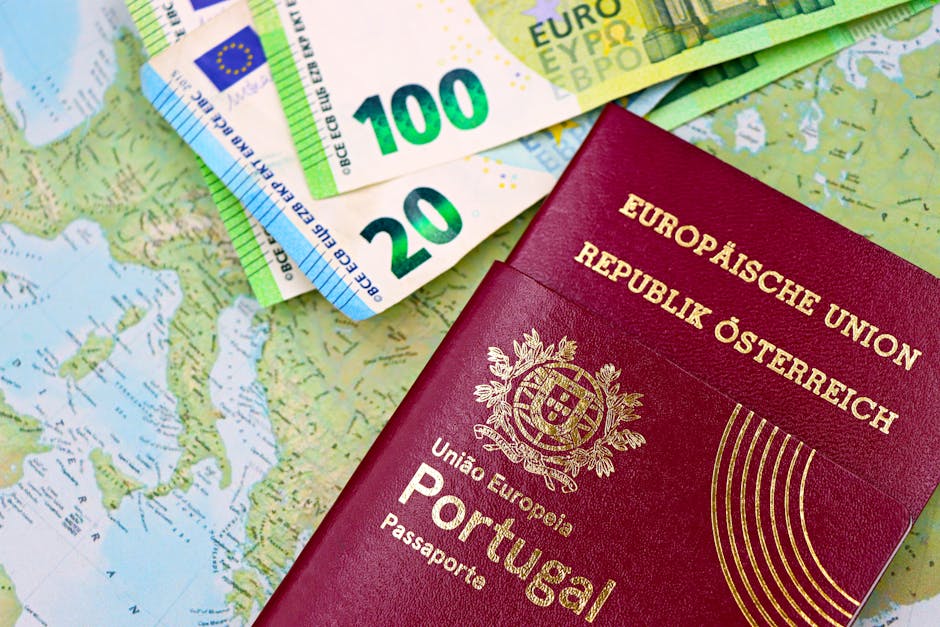
There are exceptions and possibilities for extension in very specific situations: humanitarian reasons, urgent medical treatment, unforeseen circumstances that make departure impossible (for example natural disasters or temporary flight cancellations), or asylum procedures. These require an official request to the Portuguese immigration authorities (documented and justified). In Madeira you can get information or submit requests at local administrative offices (see addresses and opening hours in the sections below). Finally, if you plan to stay regularly longer than 90 days, you should consider Portuguese national visas (type D) or a residence permit; those procedures are started from outside the Schengen Area (application from your country of residence).
2) Visas and Permits to Stay Longer in Madeira: Practical Portuguese Options
If you want to stay in Madeira for more than 90 days, you need a legal, longer-term route. Here are the main Portuguese options suitable for visitors wanting to extend their stay.
a) Long-stay national visas (visa D): these visas are issued by Portuguese consulates abroad and allow entry and stay beyond 90 days. Main types include work visas, student visas, family reunification, residence for self-employed or entrepreneurs (start-up visa), and the D7 visa (intended for people with passive income/pensions/digital nomads). The D7 is popular with retirees and digital nomads who have steady income. Requirements typically include proof of sufficient funds, health insurance and sometimes a clean criminal record.
b) Applying for a residence permit in Portugal: once you legally enter with a visa D, you can apply for a residence permit at the Serviço de Estrangeiros e Fronteiras (SEF) or the competent local services. In Madeira, administrative steps are usually handled through regional offices or online appointment systems. SEF offices often require appointments; bring original documents and copies.
c) Non-Habitual Resident (NHR) status and other tax regimes: while not a visa per se, Portugal’s NHR tax regime can attract people wanting to settle in Madeira. This status requires actual residence and tax registration in Portugal. To benefit, you first need Portuguese residency. The Finanças offices in Funchal — Autoridade Tributária e Aduaneira — can guide you.
d) Golden Visa and investment programs: Portugal has offered (and adapted) investment-based residence pathways that lead to residency. Programs change, so check with the consulate or an immigration lawyer. These routes involve real estate or economic investments and require careful administrative follow-up.
Practical tips in Madeira: book an appointment early with an immigration lawyer or a local relocation service. In Funchal, many agencies assist with D7 visa packages or residence permit applications. A useful office: Loja do Cidadão — Loja do Cidadão da Madeira, Avenida Zarco 24, 9000-065 Funchal — indicative hours: Mon–Fri 08:30–16:30 (may be closed weekends). Fees vary: consular fees for a D visa ≈ €90–€120 (indicative), administrative fees for residence permits ≈ €80–€150, lawyer fees ≈ €400–€1500 depending on complexity. Always check current fees on the embassy’s official site.
3) Useful Services and Addresses in Madeira: Where to Go for Paperwork, Info and Emergencies
To manage your stay, extend a visa, or handle problems, here’s a list of concrete addresses and services in Madeira (note hours and indicative fees).
- Aeroporto Cristiano Ronaldo (FNC) — Estrada do Aeroporto, 9100-105 Santa Cruz, Madeira. Hours: open 24h (flight-dependent). Services: passport control, tourist information desks. Taxi transfers to Funchal ≈ €20–€30, Aerobus line 50 ≈ €5–6.
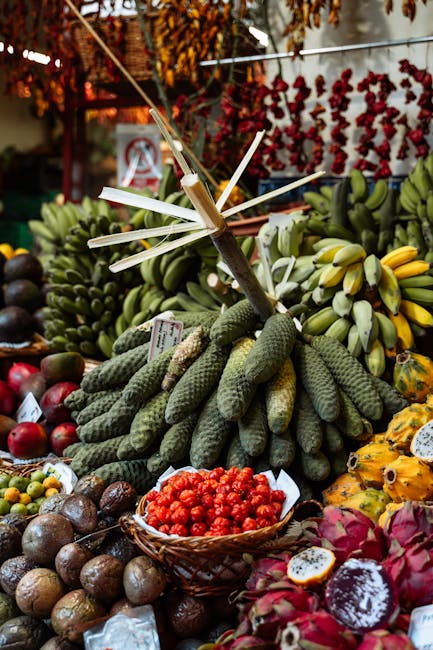
- Mercado dos Lavradores — Rua da Alfândega 1, 9060-116 Funchal. Hours: Mon–Sat 07:00–19:00, Sun 09:00–13:00. Free entry. Atmosphere: fish stalls, tropical fruits, local flowers. Tip: buy local peach and try poncha at the stalls to sample a traditional drink.
- Monte Palace Tropical Garden — Caminho do Monte 174, 9050-288 Funchal. Hours: 09:00–18:00 (seasonal). Indicative price: adult ≈ €12, child ≈ €6. Description: lush gardens, sculptures, panoramic views over Funchal. Cable car recommended to get there.
- Teleférico do Funchal (Funchal Cable Car) — Lower station near Rua da Alfândega, Funchal (close to Mercado dos Lavradores). Hours: 09:00–18:00 (seasonal). Indicative fares: return ≈ €16 adult, one-way ≈ €11. Tip: take the first run to avoid crowds and enjoy views over the bay.
- CR7 Museu (Cristiano Ronaldo Museum) — Praça Cristiano Ronaldo 1, 9000-250 Funchal. Hours: 10:00–18:00. Indicative price: ≈ €5–8 adult. Description: museum dedicated to Funchal’s native footballer, with trophies and personal items.
- Cabo Girão (Miradouro do Cabo Girão) — Estrada Regional 101, 9300-217 Câmara de Lobos. Access: car or organized tours. Hours: natural site accessible 24h. Glass skywalk available. Photo idea: spectacular sunset shots.
- Hospital Dr. Nélio Mendonça — Caminho de São Roque 1, 9000-082 Funchal. 24h emergency (serviços de urgência). Phone: +351 291 704 100 (verify in advance). For serious medical issues head to this hospital.
- Loja do Cidadão da Madeira — Avenida Zarco 24, 9000-065 Funchal. Hours: Mon–Fri 08:30–16:30. Services: administrative information, guidance on documents, sometimes appointments for immigration. Tip: arrive early and take a waiting ticket, or book online if possible.
These addresses will help with everything from small emergencies to major administrative steps. Check hours and exact prices before you go: rates can change in high season and some services close on local holidays. Always keep scanned copies of your documents (passport, entry/exit tickets, proof of funds) stored online for quick access in case of loss.
4) Sample 90-Day Itinerary for Madeira: Make the Most of Your Time Without Breaking Schengen Rules
If you have the full 90 days available, you can plan a rich and varied stay in Madeira. Here’s a sample itinerary and tips to spread out your days sensibly, considering climate, travel times and top activities.
Week 1–2: Funchal and surroundings — Use Funchal as your base. Stay in the center, for example Rua de Santa Maria (old quarter) or near the harbour. Visit Mercado dos Lavradores (Rua da Alfândega 1), the CR7 Museu (Praça Cristiano Ronaldo 1), and the Botanical Garden (Jardim Botânico da Madeira, Caminho do Bom Sucesso 4, 9050-018 Funchal — hours 09:00–17:30, price ≈ €6–€10). Take the Teleférico do Funchal (station near the market) to Monte and visit Monte Palace (Caminho do Monte 174). Sample local food at Restaurante do Forte (Rua Portão de São Tiago 2, 9000-065 Funchal) — main courses ≈ €20–€35 per person.
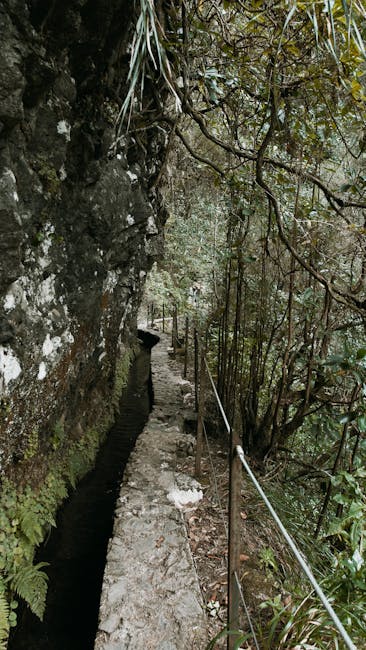
Week 3–4: South coast and trails — Rent a car (roughly €25–€50/day depending on season) and explore Câmara de Lobos, Cabo Girão (Estrada Regional 101), and the wine area of Estreito de Câmara de Lobos. Hike trails like Levada do Caldeirão Verde (access via Parque Florestal do Ribeiro Frio); bring hiking shoes and water.
Week 5–7: North and mountains — Head up to Pico do Arieiro for dramatic views (challenging paths; starting points vary). Visit São Vicente and its volcanic caves (Grutas de São Vicente, Rua Dr. Alves da Silva 4, 9260-156 São Vicente — hours 09:30–18:00, price ≈ €8–€10).
Week 8–13: Cultural immersion and relaxation — Explore small villages, try canyoning (popular activity, around €65–€90 per person), go diving or join whale- and dolphin-watching tours from Funchal harbour (excursions ≈ €30–€60). Taste street food, shop at local producer markets and eat economically (meals ≈ €8–€15).
Practical tips to avoid exceeding 90 days: plan ahead for trips outside Schengen if you’re approaching the limit (for example a short getaway to the UK or Morocco if your nationality allows visa-free entry; don’t choose the Azores or the Canary Islands since they’re also Schengen). Track your dates with a simple spreadsheet (arrival date, departure date, total days) and set an alert 10–14 days before your limit to organize a departure or start a visa process.
5) Consequences of Overstaying and What to Do in an Emergency: If You Go Past 90 Days
Accidental or deliberate overstay: what happens? If you realize you’ve gone past the 90-day limit, act fast. An unintentional overstay should be reported to the authorities: go to the local police station or the administrative office (Loja do Cidadão) and explain the situation. Sanctions may include fines (amounts vary), an immigration record that complicates future entries, or a temporary ban from Schengen depending on the seriousness.
Recommended procedure: keep proof of exceptional circumstances (medical certificates, cancelled flight confirmations, hospital records). Contact your country’s embassy or consulate for consular assistance; they can advise on next steps and sometimes help facilitate departure. If you were hospitalized or experienced another event that prevented travel, provide the supporting documents — that often leads to administrative regularization rather than criminal penalties.
In urgent administrative cases (lost passport, arrest, deportation), contact your embassy immediately. In Madeira the nearest consulate or the embassy accredited to Portugal (usually in Lisbon) will guide you. For serious medical issues Hospital Dr. Nélio Mendonça (Caminho de São Roque 1, 9000-082 Funchal) has 24h emergency services. For legal assistance it’s wise to hire an immigration lawyer. Fees vary; initial consultations may cost roughly €80–€200.
Finally, if you plan to regularize your status (apply for a national visa from abroad), be prepared to leave Schengen and submit your application to the Portuguese consulate in your country of residence. This process can take weeks to months; anticipate costs (consular fees ≈ €90–€120, translations, apostilles and certificates) and follow official instructions carefully to avoid refusals.

Conclusion: Travel and Stay in Madeira with Confidence — Plan, Comply, Immerse
Madeira is a fantastic destination for travelers seeking a mix of nature, culture and pleasant climate. However, because it falls under Portuguese and Schengen law, there are clear limits on how long third-country nationals can stay: 90 days in any 180-day period across Schengen. That cap demands planning, discipline and sometimes administrative work before arrival or during your stay.
Practical takeaway: calculate your days precisely before you travel, keep digital and paper records of entries and exits, consult the Portuguese consulate if you plan to stay longer, and consider a national visa (type D) or a residence permit if you want to settle. Madeira has the services to help — from the Loja do Cidadão (Avenida Zarco 24, 9000-065 Funchal) to health services (Hospital Dr. Nélio Mendonça, Caminho de São Roque 1), tourism offices and local agencies specializing in immigration assistance.
On the practical and tourist side, enjoy the island’s highlights: cable car up to Monte (Teleférico do Funchal, station near Rua da Alfândega), lively markets like Mercado dos Lavradores (Rua da Alfândega 1), stunning gardens (Monte Palace Tropical Garden, Caminho do Monte 174), and breathtaking viewpoints (Cabo Girão, Estrada Regional 101). Budget to plan: meals ≈ €8–€35, airport transfers ≈ €5–€30, activities (gardens, museums) ≈ €5–€20, car hire ≈ €25–€50/day depending on season. These ranges will help you estimate the cost of a legally compliant stay.
Lastly, remember the best way to truly enjoy Madeira like a local is to respect the laws and prepare. Anticipate administrative needs, stay flexible with plans, and consult a professional when necessary to regularize your situation. Madeira will reward careful planning with unforgettable landscapes, warm hospitality and a quality of life that may convince some to make a permanent move — but only by following the rules. Safe travels and enjoy a responsible stay on the island of Madeira!