





Introduction — Why choose a quinta to experience Madeira
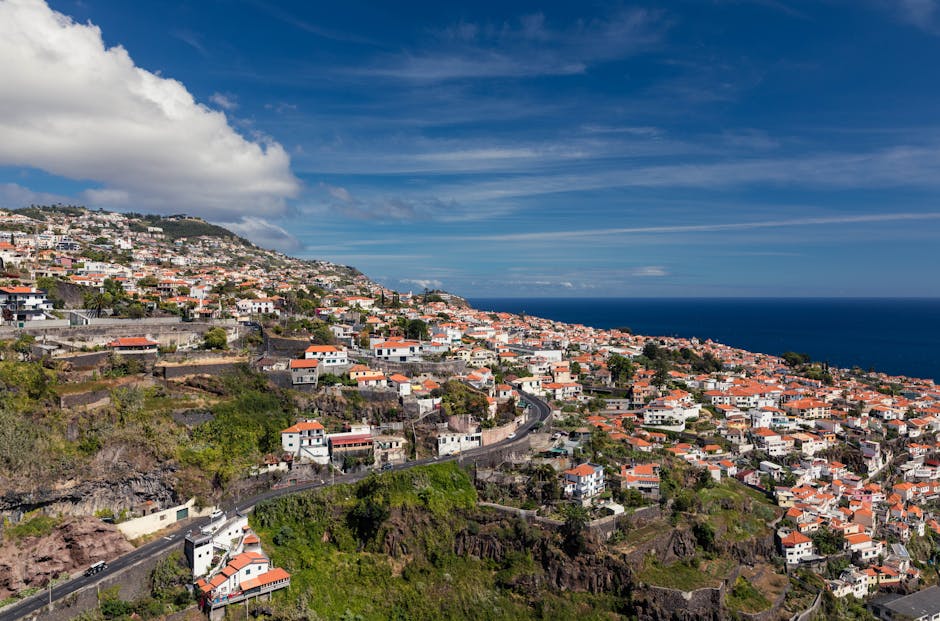
Madeira is an island of contrasts: towering cliffs, rugged mountains, UNESCO-listed laurel forests, terraced farms and a warm island culture. For travelers seeking an authentic immersion, staying in a quinta — a traditional Portuguese country house often surrounded by gardens, vineyards or orchards — delivers a one-of-a-kind experience. A quinta is more than just a place to sleep; it’s a front-row seat to local life, a chance to learn about island farming practices, join grape harvests or honey production, taste homemade meals and enjoy a slower pace away from crowded tourist spots.
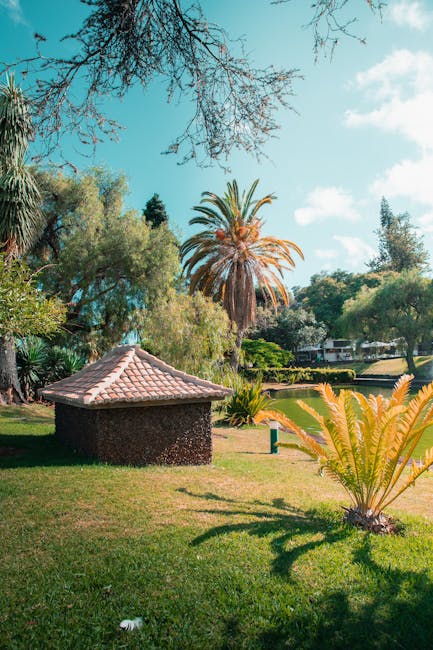
The idea of “staying with locals” can sometimes mean roughing it. Quintas, by contrast, blend comfort, historic character and modern amenities. They’re typically set in meaningful landscapes: on cliff edges in Santana, in the inner valleys around São Vicente, or on the heights above Funchal with ocean views. Choosing a quinta as your base lets you radiate out to the levadas (the island’s iconic irrigation channels), fishing villages, banana plantations, wineries and pebble beaches. From a quinta, every outing becomes a loop of discovery — a morning walk along a levada, a rustic lunch made with local produce, and an afternoon nap in the sun before a Madeira wine tasting at sunset.
This practical guide explains how to plan a stay in a quinta, which properties to recommend depending on your profile, how to organise cultural and food-focused outings from your base, and provides addresses, opening hours, indicative prices and local tips. I also cover logistics: car hire, public transport, and the best seasons for specific activities. Whether you’re after a full agricultural immersion, a romantic retreat or a basecamp for hiking, this guide helps you make the most of a Madeira stay from a quinta.
1) Picking the right quinta: profiles, addresses and prices
Which quinta you choose depends on your interests: food, hiking, absolute peace, boutique accommodation, or agricultural immersion. Here are three representative quintas, each with its own character, address, practical hours and price range to help you decide.
-
Quinta do Furão — Lugar do Furão, 9230-021 Santana, Madeira, Portugal. Phone: +351 291 566 240.
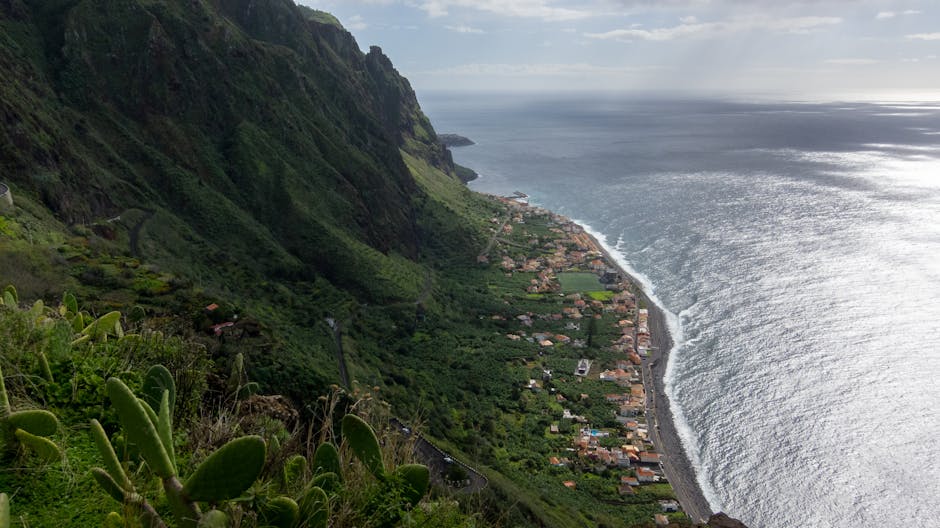
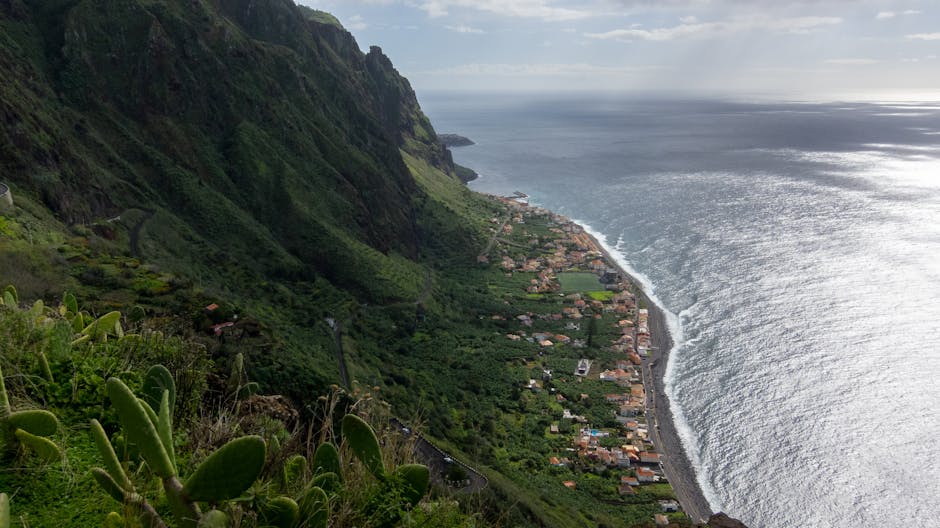
This quinta is famous for its position on the cliffs of the northeast coast, offering panoramic views over the Atlantic and easy access to the levadas of Santana. The on-site restaurant serves a menu featuring local produce. Restaurant hours: open daily from 12:30 to 22:00. Indicative room rates: €110 to €220 per night depending on season and room type. Regional tasting menu: around €35 per person. The property occasionally runs cooking workshops and guided garden tours (by reservation).
-
Quinta da Casa Branca — Rua das Murteiras 9, 9000-101 Funchal, Madeira, Portugal. Phone: +351 291 705 000.
Located close to Funchal, this quinta-hotel blends a botanical garden with urban comfort. Reception open 24/7, breakfast buffet served from 07:00 to 10:30. Indicative rates: €140 to €260 per night. The quinta offers guided walks through its gardens and transfers to Funchal center. Madeira wine tastings in the evening: €20 per person.
-
Quinta do Arco — Quinta do Arco, Estrada Regional 101, 9240-902 Arco de São Jorge, Madeira, Portugal. Phone: +351 291 953 200.
Known for its botanical gardens and collection of exotic plants, Quinta do Arco sits in the valley of Arco de São Jorge. Garden hours: 09:00–18:00 (high season), 09:00–17:00 (low season). Garden entry: €7 per adult. Accommodation: rooms and villas, prices €100 to €220 per night. The quinta runs gardening workshops and guided nature walks for small groups (€25–€40 per person).
Practical tip: book at least 4–6 weeks in advance during high season (May–September, and Christmas/New Year) and check whether the quinta includes transfers from Francisco Sá Carneiro / Funchal airport (Aeroporto Cristiano Ronaldo, code FNC). Transport can be essential if you’d rather not drive on mountain roads.
2) Activities and routes from a quinta: hikes, levadas and day trips
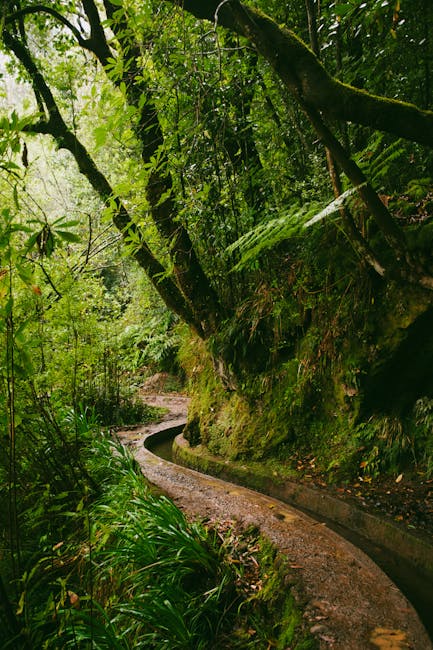
From a quinta you’re in the heart of the landscape. The levadas — those historic irrigation channels with adjacent footpaths — are perfect hiking routes accessible directly from many rural properties. Here are some must-do excursions, with starting points, durations and tips:
- Levada do Caldeirão Verde — Start: Parque Florestal das Queimadas, Lugar das Queimadas, Santana, 9230-012. Park hours: 07:00–19:00 (varies by season). Hike duration: 3–4 hours round-trip. Difficulty: moderate. Highlights: tunnels, spectacular waterfalls, laurel forest. Easy access from Quinta do Furão (15–30 minutes by car).
- Levada dos 25 Fontes and Risco — Start: Rabaçal car park, ER110, 9370-000 Paul do Mar (specific coordinates vary depending on route). Duration: 4–5 hours. Difficulty: moderate to hard in places. Highlights: natural pools, waterfalls, encounters with local farmers along the trails.
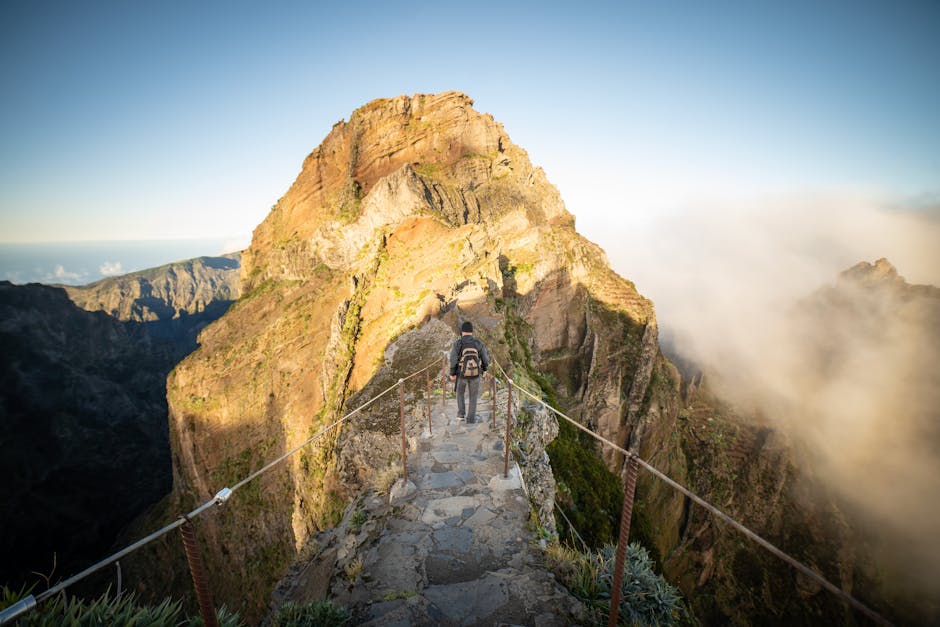
- Pico do Arieiro to Pico Ruivo — Start: Miradouro do Pico do Arieiro, ER203, Pico do Arieiro. An early start is recommended (05:30–06:00) to avoid crowds and catch dawn light. Duration: 3–5 hours depending on route. Difficulty: high. Breathtaking viewpoints across the island.
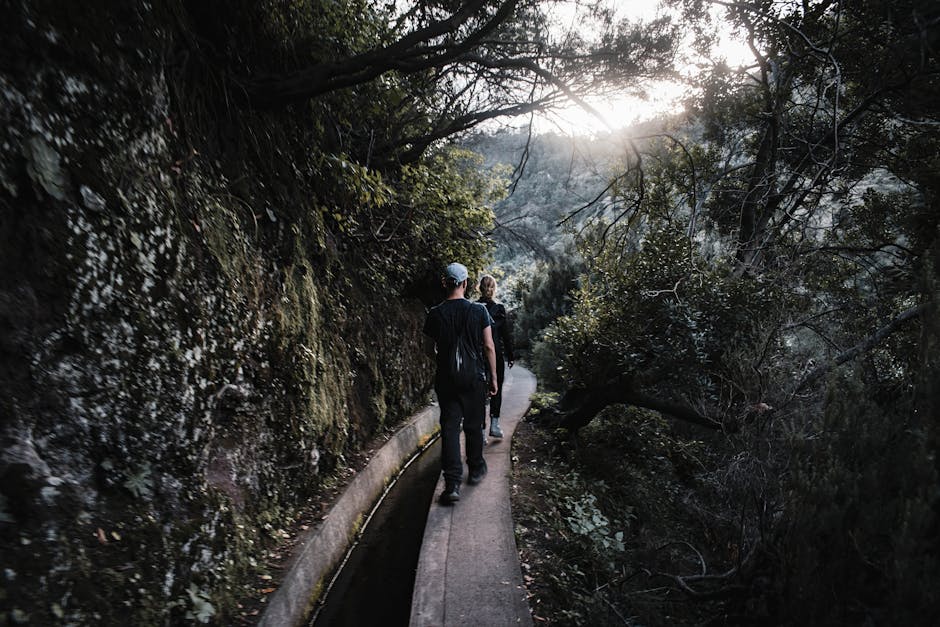
Practical hiking tips when based at a quinta: bring sturdy hiking boots, a waterproof jacket (weather changes fast in the mountains), a small first-aid kit, and water. If your quinta offers packed lunches, order them the day before (often €5–€10 for a simple pack). Ask your host about local guide options: an experienced guide generally costs €40–€80 for a half-day.
3) Food immersion at the quinta: produce, classes and local markets
Food is a major draw in Madeira and quintas are often the best places to taste authentic cuisine. Typical products: bolo do caco (garlic flatbread), espada com banana (black scabbardfish with banana), lapas (limpets), poncha (local liqueur), and Madeira wines. Many quintas grow their own vegetables, herbs, fruits (bananas, passionfruit), and maintain small vineyards or almond trees.
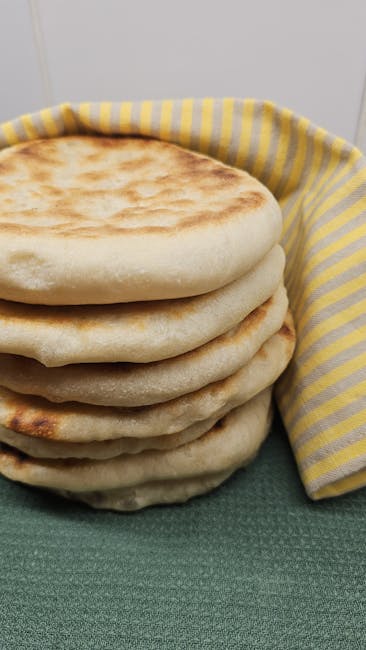
Examples of food experiences to organise:
- Cooking workshop at Quinta do Furão — Duration: 2–3 hours. Price: around €40 per participant. Content: making bolo do caco, local fish dishes and preserving family recipes. Workshops are often limited to 8 people.
- Madeira wine tasting at Quinta da Casa Branca — Duration: 1 hour. Price: €20 per person for a selection of 4 wines served with regional tapas. Sessions usually take place in the evening (reservation required), often at 19:00 or 20:00.
- Visit to a banana plantation and tasting — Often organised from quintas near Funchal and the south coast. Price: €10–€15 per person.
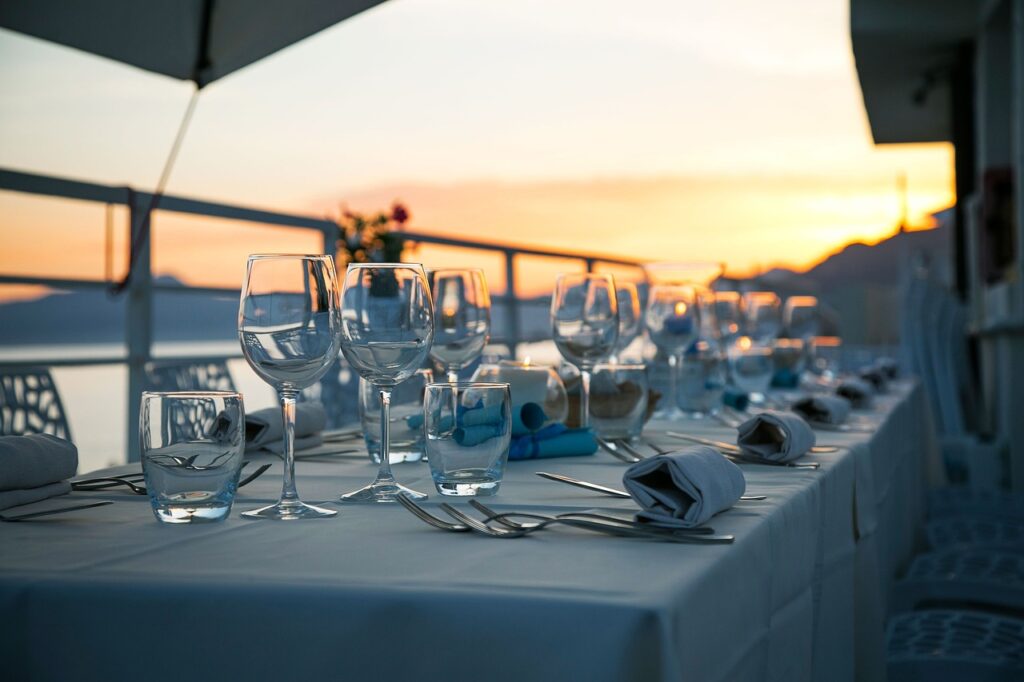
Markets to visit from your quinta:
- Mercado dos Lavradores — Rua Brigadeiro Oudinot, 9000-018 Funchal. Hours: 07:00–19:00. You’ll find fish, exotic fruits and flowers here. Great place to buy fresh ingredients if you’re cooking at the quinta.
- Mercado de Santana (small local market) — Praça de Santana, 9230-041 Santana. Hours: weekday mornings, livelier on Sundays.

Local tips: try artisanal poncha (small glass: €1.50–€3), avoid overly “touristy” dishes that have been over-processed, and ask your quinta host for contacts of local fishermen or farmers for ultra-fresh produce. Local canned fish and Madeira honey also make great edible souvenirs.
4) Logistics and practical tips: transport, seasons and local etiquette
Logistics play a key role in getting the most from a quinta stay. Madeira’s roads are winding and often narrow; hiring a compact car is recommended if you want to explore the island at your own pace. Rental agencies at CR7 airport (Aeroporto Cristiano Ronaldo, FNC) offer cars from around €25–€40 per day depending on season. If you prefer not to drive, check the transfers offered by the quinta (often €30–€60 depending on distance) or use organised excursions (prices vary: €35–€90 for a full day).
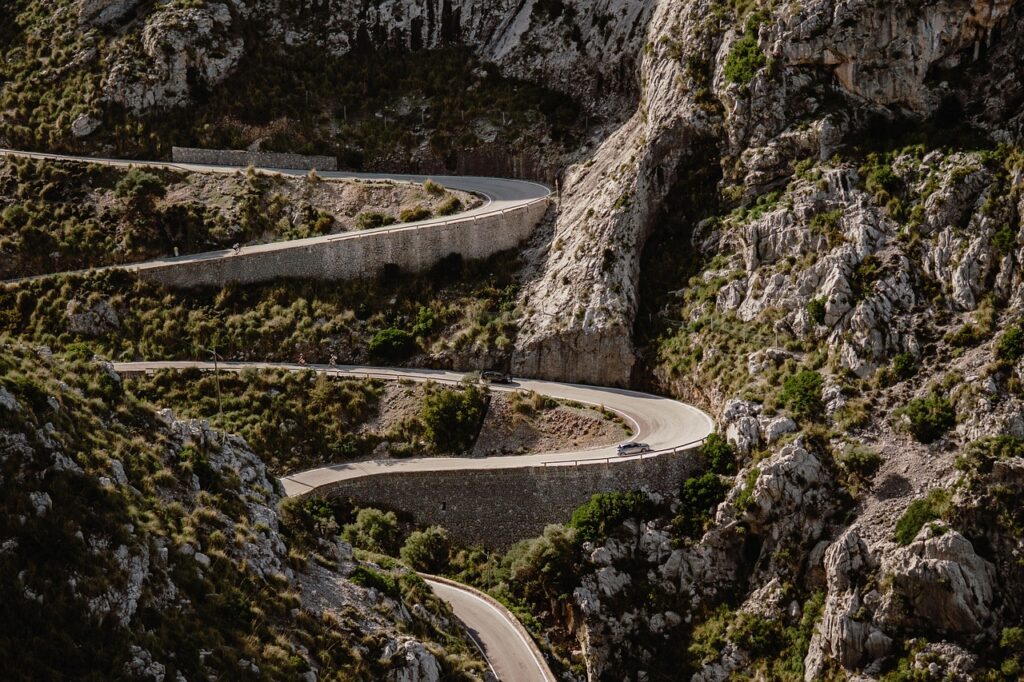
Seasons and weather:
- Spring (March–May): pleasant temperatures, intense blooms, lush landscapes — an excellent time for hiking.
- Summer (June–September): high tourist season, warm weather; quintas at altitude offer a cooler escape. Book well in advance.
- Autumn (October–November): shoulder season, gentler prices, good hiking conditions, with occasional rain.
- Winter (December–February): festive atmosphere in Funchal, variable rates, and possible fog at higher elevations.
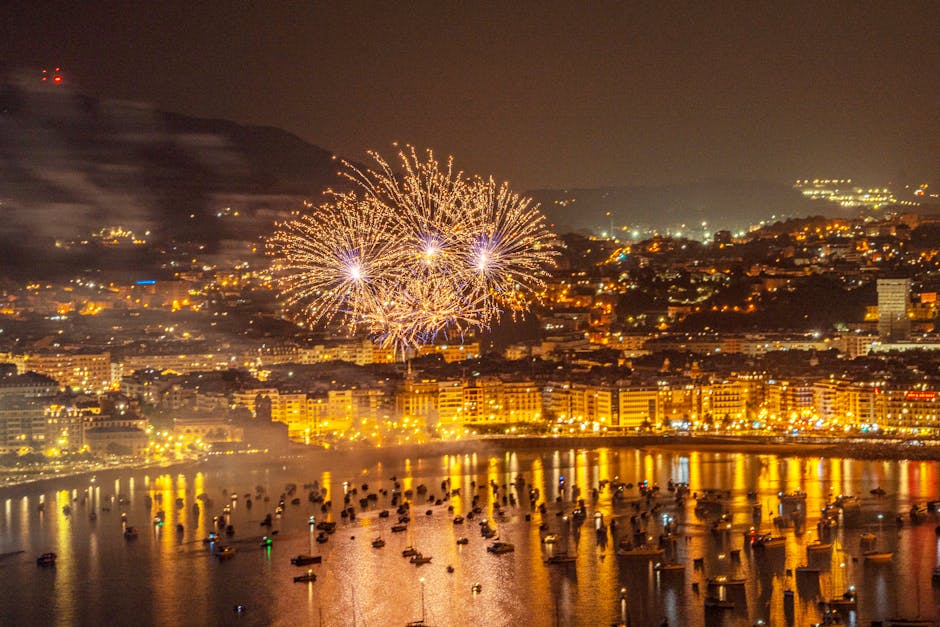
Local etiquette and conduct tips:
- Greet briefly when entering a quinta; human contact matters. A simple “bom dia” or “boa tarde” is appreciated.
- Always ask permission before picking fruit or taking photos in fields. Quintas are private property.
- If you’re offered wine or poncha, accept modestly; it’s common to bring a small gift (a bottle of wine from your country, chocolate) if invited.
- On levada hikes, respect signage, don’t litter and follow guides’ instructions.
Conclusion — Living Madeira from a quinta: the full experience
Staying in a quinta in Madeira isn’t just finding a place to rest; it’s choosing to step into a cultural and scenic bubble where every gesture and every meal tells a local story. The quintas we’ve highlighted — Quinta do Furão (Lugar do Furão, 9230-021 Santana), Quinta da Casa Branca (Rua das Murteiras 9, 9000-101 Funchal) and Quinta do Arco (Estrada Regional 101, 9240-902 Arco de São Jorge) — showcase three sides of the island: cliff and ocean, urban botanical proximity, and horticultural richness. They offer varied services, price ranges and on-site activities like tastings, workshops and garden tours — perfect for a slow-discovery stay.
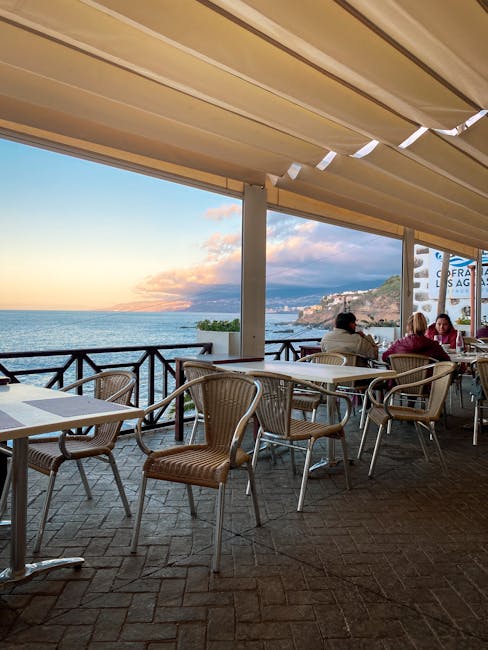
Levada hikes, cooking workshops, the bustling markets of Funchal and sunrise walks can become the routines of a quinta stay. Planning your trip around a quinta makes it easier to meet people: a host who’ll share family stories, a local guide who’ll lead you to a hidden waterfall, or a farmer who’ll explain terrace cultivation. These interactions turn a simple visit into a lasting, memorable experience.
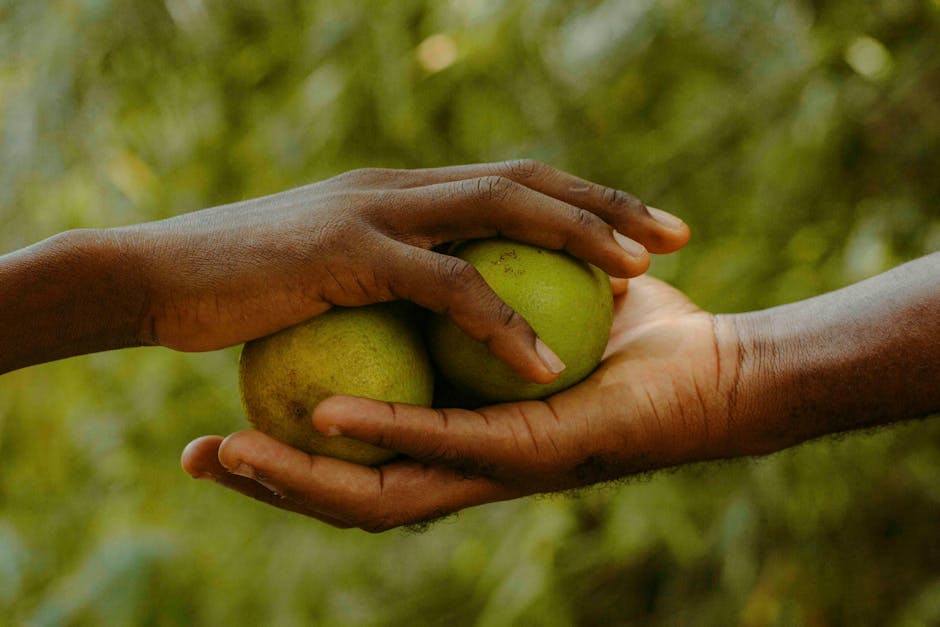
To get the most out of your immersion: plan ahead but stay flexible; book popular activities in advance (workshops, tastings, transfers); choose the season that matches your goals (flowers in spring, warm weather in summer, festivals in winter); and respect private spaces and local practices. Finally, bring a willingness to slow down: savor a coffee on the terrace, take a post-hike siesta, and linger in conversation at sunset. Madeira lived from a quinta reveals layer upon layer — geographic, culinary, human — and offers a rich, sensory stay deeply rooted in island terroir.