





Introduction — Entering Madeira: Visa Rules and Entry Formalities Made Simple
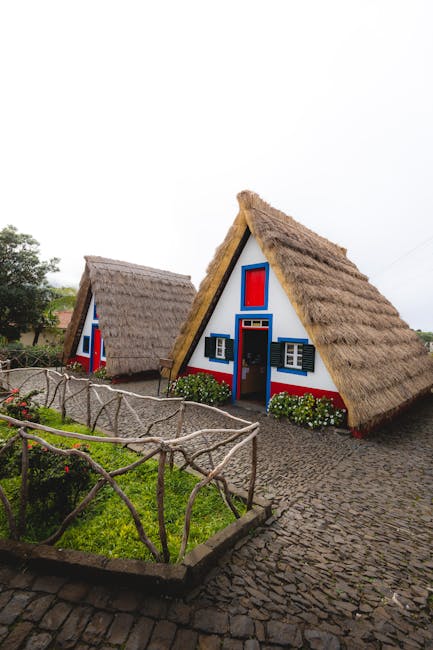
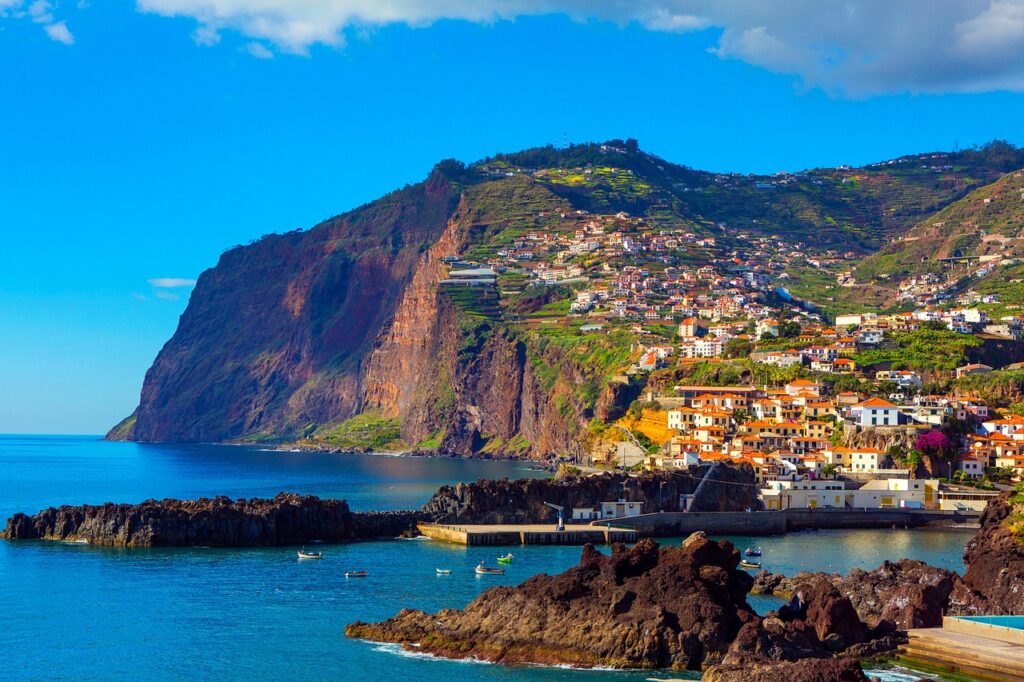
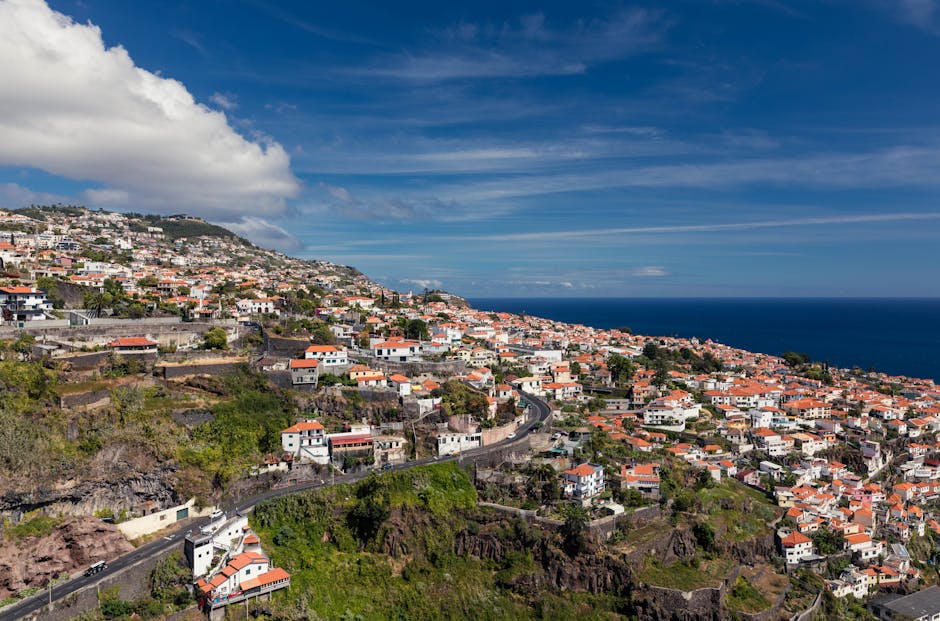
Madeira, a Portuguese archipelago in the Atlantic and an autonomous region of Portugal, draws visitors from around the world with its lush landscapes, mild year-round climate, and charming towns like Funchal, Câmara de Lobos and Santana. Entering Madeira effectively means entering Portugal, a member of the Schengen Area: so the entry rules are largely the same as those that apply across Portugal and the Schengen zone. This article aims to explain, clearly and practically, the administrative formalities and visa rules you’ll need to prepare your trip — from Cristiano Ronaldo Airport to local services in Funchal. You’ll find useful addresses, opening hours, indicative visa fees in euros, and local tips to avoid common pitfalls.
Whether you are a citizen of the European Union, a Schengen country, post-Brexit United Kingdom, the United States, Canada, Australia, or another visa-exempt country — or if you’re planning a longer stay (study, work, family reunification) — the sections below outline the steps to take. We cover: exemptions and rules for EU/EEA/Swiss citizens, short-stay Schengen visas (Type C), national long-stay visas (Type D), the documents you’ll need on arrival at Aeroporto Internacional da Madeira Cristiano Ronaldo (FNC), and the local offices (post offices, border police, administrative offices) where you’ll complete formalities once you’re there.
We include exact addresses and typical opening hours for the places most used by travelers: the airport, Funchal port, local administration offices and the nearest consulates. You’ll also find practical tips: how to prepare your visa application, why Schengen-compatible travel insurance matters, how to prove financial means and book your first nights’ accommodation, and what to do if you’re stopped at border control. Finally, local recommendations will help turn an administrative arrival into an immediate immersion in Madeiran life: where to catch an official taxi on arrival, how to buy a local SIM card, and which office in Funchal to start your residency procedures.
1) Who needs a visa to enter Madeira? Exemptions and basic rules
Madeira follows the same entry rules as mainland Portugal. Citizens of the European Union (EU), the European Economic Area (EEA) and Switzerland do not need a visa to enter and stay in Madeira. They must, however, present a valid national ID card or passport. For British nationals, since free movement ended, tourist entry is allowed without a visa for stays not exceeding 90 days within a 180-day period, provided you hold a valid passport. Visitors from third countries that are not visa-exempt generally need to obtain a short-stay Schengen visa (Type C) if they’re coming for tourism, family visits or business trips of less than 90 days.
The standard fee for a short-stay Schengen visa is normally €80 for adults, €40 for children aged 6–12, and free for children under 6. These amounts can vary slightly depending on local consular policies, so check the website of the nearest Portuguese embassy or consulate. Usual conditions: passport valid for at least three months after the planned exit date from the Schengen Area and issued within the last 10 years, travel insurance covering at least €30,000 for repatriation and emergency care, proof of a return ticket and evidence of sufficient financial means (bank statements, cash, credit card).
For longer stays (work, study, family reunification) you must apply for a national visa (Type D) at the Portuguese consulate before departure. Fees for this visa type are often around €90, but vary by category and country of application. Holders of national visas must then, upon arrival in Madeira, register with the Serviço de Estrangeiros e Fronteiras (SEF) to obtain the appropriate residence permit. Practical details on contacting and visiting the SEF are provided in the dedicated section.
2) Airport, port and border checks: what to expect on arrival
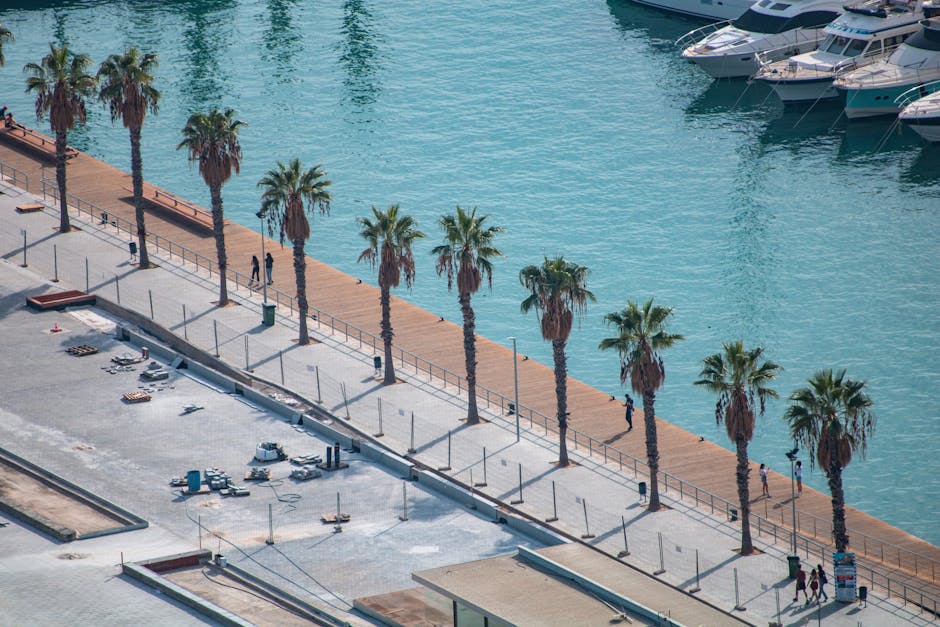
The main gateway to Madeira is Aeroporto Internacional da Madeira Cristiano Ronaldo (FNC), located on the island of Madeira in the municipality of Santa Cruz. Indicative address: Aeroporto Internacional da Madeira Cristiano Ronaldo, Estrada Regional 101, 9200-045 Santa Cruz, Portugal. At the airport, checks vary by nationality. EU/EEA/CH nationals and travelers with a valid Schengen visa generally pass through the arrivals area without special formalities, aside from a possible document check. Border officers may ask to see your return ticket, proof of accommodation and insurance.
Useful opening hours: arrivals hall is open 24/7 depending on flight schedules; the airport tourist information desk is usually open from 06:00 to 23:00. Official airport taxis depart from the pickup point in front of the arrivals area; a typical fare to central Funchal (Avenida do Mar) is around €25–35 depending on time and traffic. If you arrive by ferry, Porto do Funchal (Avenida do Mar, 9000-222 Funchal) serves inter-island and some international connections; passport checks are carried out on arrival if necessary.
Practical tips: always have a paper or digital copy of your hotel booking and insurance. Buy a local SIM card (for example MEO, NOS, Vodafone) at the airport kiosk to make life easier; tourist bundles often start around €10–15 for a few days. If you are required to declare goods (high-value items, food products), head to the « Goods to declare » area and keep all receipts.
3) Long-stay visas, residence permits and local procedures (SEF)
To settle in Madeira for more than 90 days, start by applying for a national Type D visa at the Portuguese consulate or embassy in your country of residence. Common grounds include work, family reunification, study, or retirement. Applications require more comprehensive supporting documents: work contract, university acceptance letter, proof of stable resources, health insurance, and sometimes a translated criminal record certificate.
Once in Madeira, the national immigration service — Serviço de Estrangeiros e Fronteiras (SEF) — is the authority for issuing residence permits. In Madeira, SEF offices are generally located in the regional capital, Funchal. Indicative address for the regional SEF office: SEF Madeira – Serviço de Estrangeiros e Fronteiras, Praça do Município, 9000-067 Funchal. Typical opening hours: Monday to Friday, 09:00–12:30 and 14:00–16:30 (closures possible for appointments). It’s essential to book an online appointment through the SEF portal before going in; walk-in queues can be long and your case may not be processed without an appointment.
Costs: residence permit applications incur variable fees — a base rate for some permits is around €90–100, plus administrative costs for documents and fingerprinting. Processing times range from several weeks to several months; plan your accommodation accordingly. Local tip: keep certified copies of degrees and contracts, have official documents translated into Portuguese by a sworn translator if required, and bring photocopies of your passport and visa.
4) Essential documents, insurance and proof of funds — practical checklist
A clear checklist before you travel will help you avoid surprises. Essential documents for most travelers:
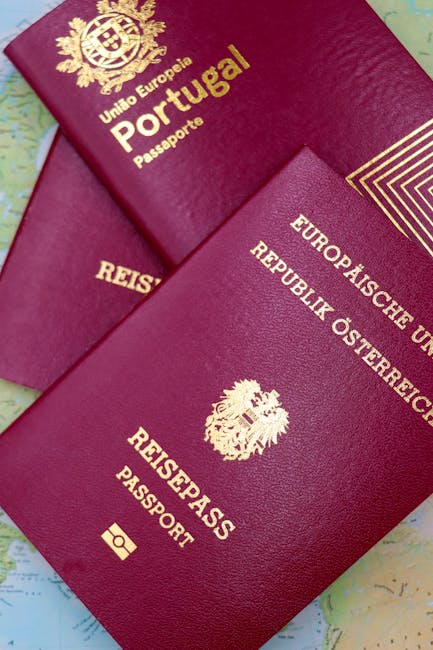
- Passport: valid for at least 3 months after your planned departure from the Schengen Area and issued within the last 10 years.
- Visa: if required, printed and affixed in your passport (Schengen Type C or national Type D).
- Travel insurance: recommended minimum coverage €30,000 for medical care and repatriation (required for a Schengen visa).
- Bookings: return tickets and confirmation of accommodation for the first nights (hotel, rental, host).
- Proof of funds: recent bank statements, credit cards; required amount varies, but plan for at least €50 per day as a rough guideline for tourism.
- Supporting documents: work contract, invitation letter, proof of enrollment, depending on the purpose of your trip.
Practical advice: scan all your documents and store them in a secure cloud (Google Drive, Dropbox) and on a USB stick. Bring euros in cash for the first few days (€50–150 depending on length of stay). In Madeira many small shops accept cards, but some remote villages and local markets prefer cash.
5) Local tips on arrival: transport, health, and where to get help
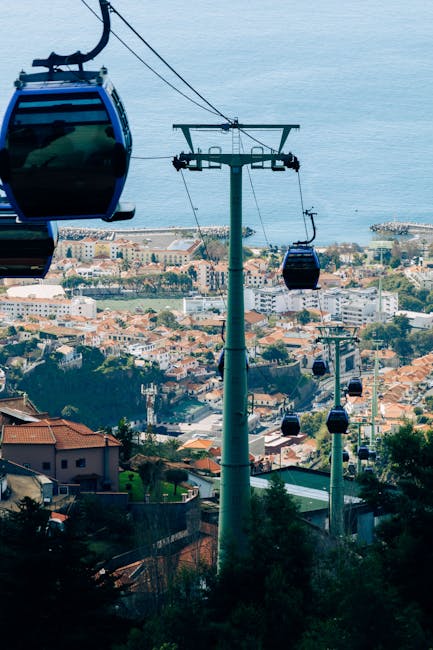
From the moment you arrive in Madeira, smooth your settling-in with a few local know-how tips. Transport: official taxis are available at the airport; for a guaranteed service, use the official taxi desk in the arrivals area. Intercity buses (Rodoeste, Horários do Funchal) connect most towns; the Funchal–Monte cable car is a popular experience (Teleférico do Funchal, Estação do Teleférico, Rua D. Carlos I, hours 09:00–18:00 depending on season, approximate return fare €16).
Health: for medical care, Hospital Dr. Nélio Mendonça is located at Avenida Arriaga, 9000-045 Funchal. In an emergency call 112. For minor issues, local health centers and pharmacies handle walk-ins and there is a rotating on-call pharmacy service; check the nearest pharmacy for duty hours.
Administrative help: for visa and immigration questions, contact the regional SEF office (address above) or the nearest Portuguese consular representation if you need help with a lost visa or documents. Honorary consulates and foreign embassies can assist in consular emergencies. Many hotels and local agencies also offer a meet & greet service to help with initial paperwork: booking appointments, translation and orientation in Funchal.
Conclusion — Prepare your entry to Madeira with confidence
For the vast majority of visitors, entering Madeira is straightforward if you follow Portugal and Schengen rules. EU/EEA/Swiss citizens benefit from easy access, while travelers from third countries should check whether they are visa-exempt or need a short-stay Schengen visa (Type C). For longer stays, a national visa (Type D) and registration with the SEF in Funchal are mandatory. The process requires careful preparation: a valid passport, suitable insurance, accommodation bookings and proof of resources. Typical costs to budget for include visa fees (around €80 for a short-stay Schengen visa, €90 for some national visas), transport from the airport (FNC–Funchal taxi €25–35 typically), and possible administrative fees for residence permit applications.
Final tip: always check official sources before you travel — the Portuguese consulate or embassy in your country, the SEF (Serviço de Estrangeiros e Fronteiras) website, and your airline’s travel information pages. Keep digital and paper copies of all documents, book appointments for long-stay procedures, and allow time for processing. Good administrative preparation will let you enjoy Madeira’s natural wonders right away: the levadas, Funchal’s botanical gardens (Jardim Botânico da Madeira, Caminho do Monte, 9000-264 Funchal), and the warm hospitality of the locals. Safe travels and welcome to Madeira!