





Introduction — Why a paper and digital checklist before flying to Madeira is essential
Heading to Madeira requires targeted preparation: it’s a mountainous island with microclimates and most services concentrated around Funchal and Cristiano Ronaldo Airport (FNC). Having a combined checklist — both on paper and digitally — will save you stress, pointless queues and unexpected expenses before you board. This practical guide gives you concrete steps, useful addresses, up-to-date prices in euros when possible, typical opening hours and alternatives whether you’re traveling solo, as a couple, with family or on business.
Why keep the list on paper AND digitally? Digital formats (smartphone, cloud storage, offline PDFs) let you quickly access tickets, confirmations, maps and emergency contacts. Paper serves as a safety net when your battery dies, when mobile coverage is spotty (common on mountain hikes in Madeira) or when you need to show information quickly without fiddling with a wet screen. Below you’ll find printable checklists, step-by-step actions for key moments (72h, 24h, departure, arrival) and concrete addresses/hours: airport, taxis, Funchal bus station, car rentals, 24h pharmacy, hospital and currency exchange offices.
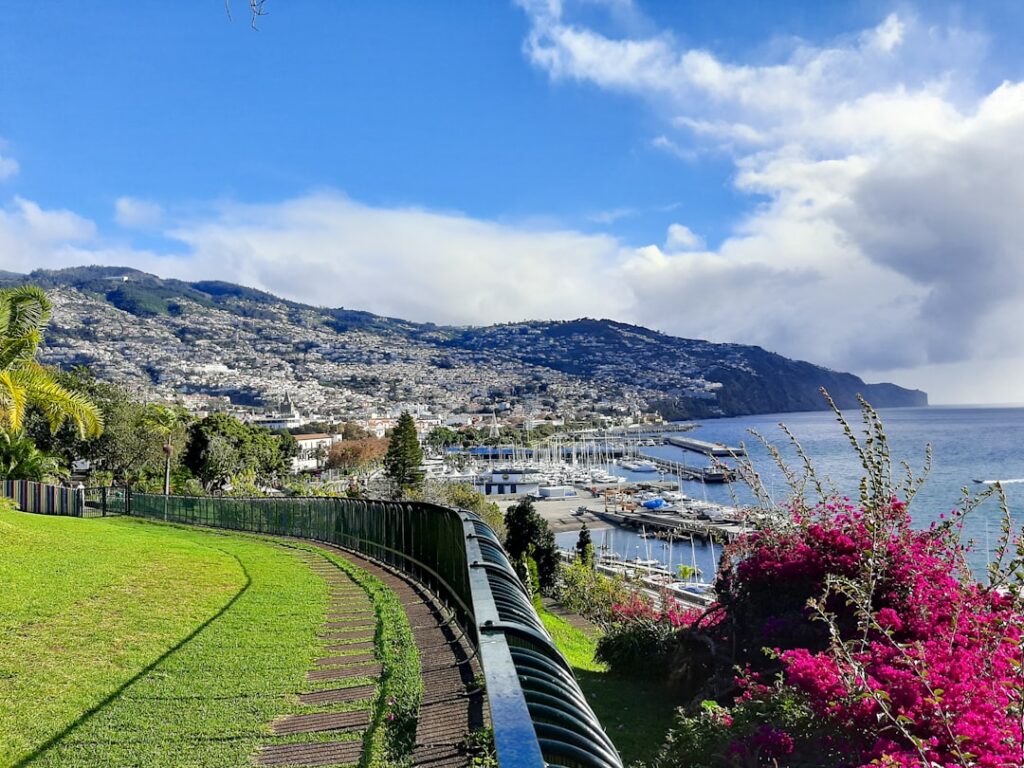
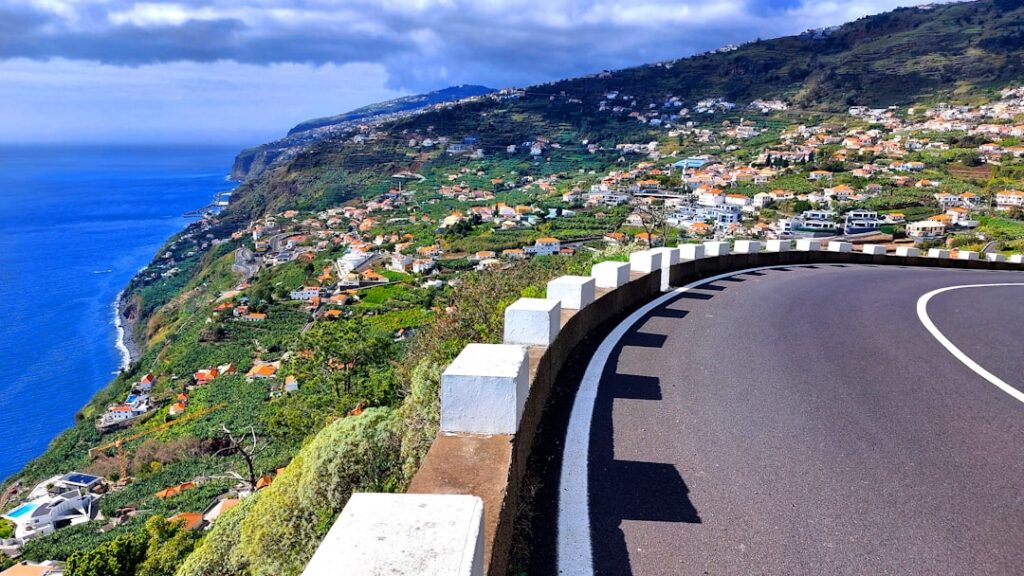
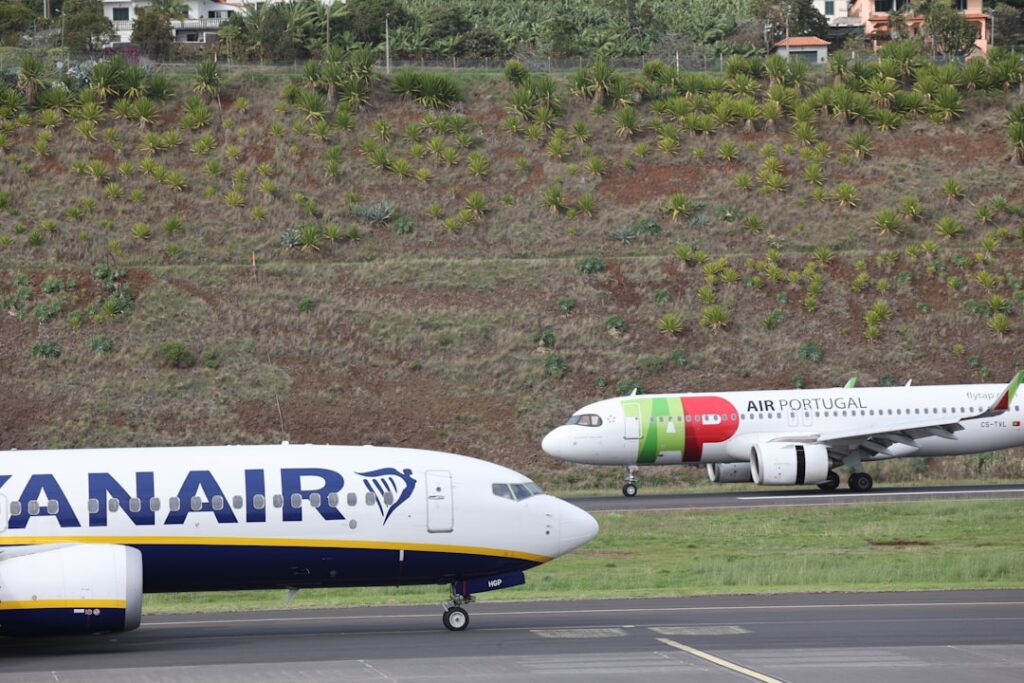
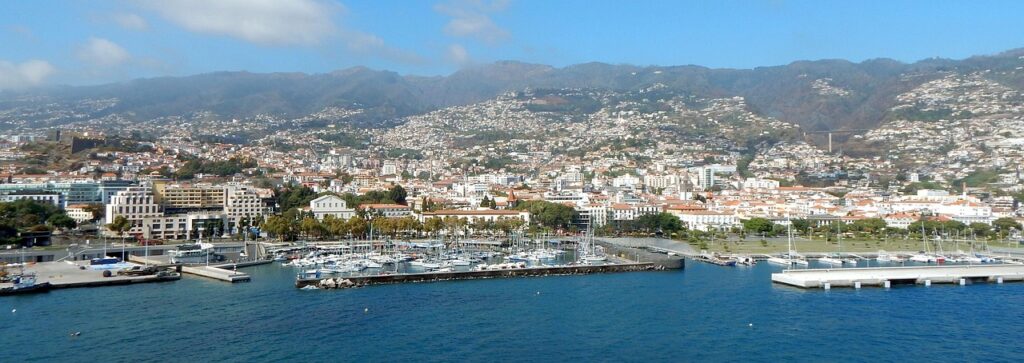
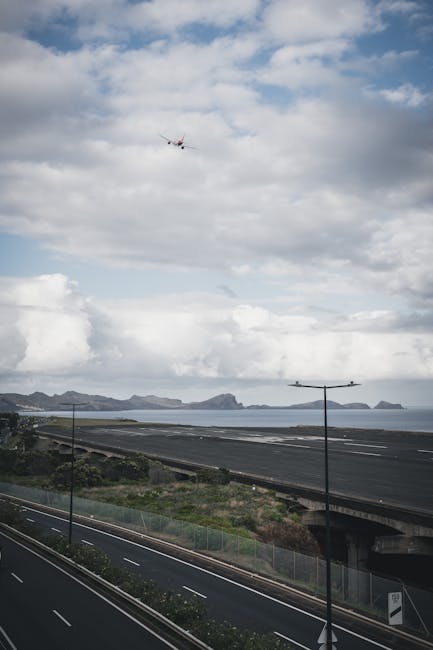
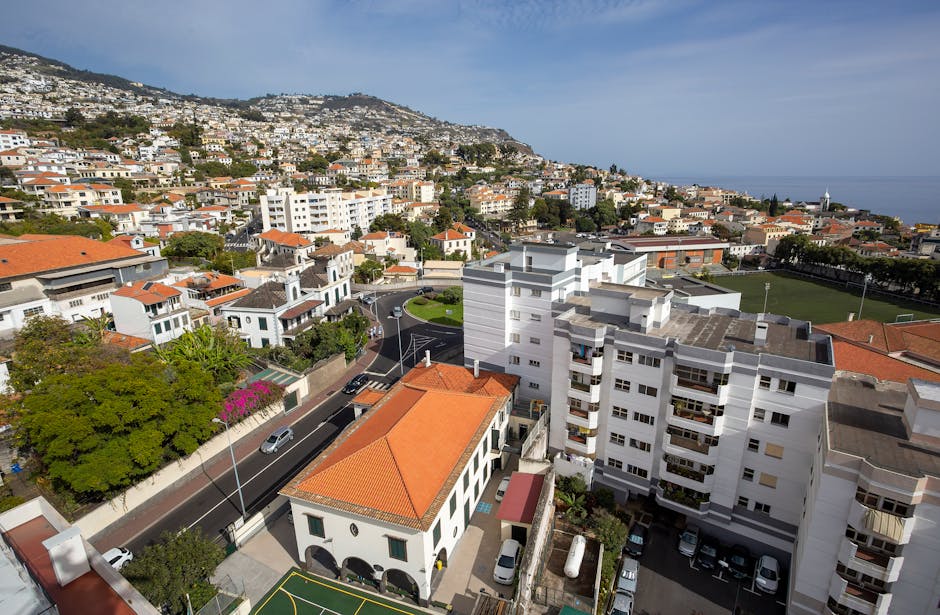
This guide is built to be immediately actionable: follow the numbered steps, tick off the lists and tuck the paper sheet into your carry-on. Local tips (best times to avoid queues, practical price ranges, how to dodge night taxi surcharges, where to buy a SIM card with good speeds) are included so your arrival and stay run smoothly. I’ve also added image placeholders to download for visual inspiration (harbor views, mountain runway approach, Funchal city center) — useful for your travel file or social media.
Before diving in, note two important points: 1) Madeira uses the euro — no currency exchange is needed if you’re coming from another eurozone country, but check bank fees if you use a foreign card; 2) most services (banks, government offices, large hotels) operate weekdays from 09:00 to 17:30, small shops and cafés open early and in the evening, and some medical services run 24/7. The prices and opening hours below are practical benchmarks expressed in euros (€) and may change: save official contacts in your phone to reconfirm the day before travel.
1) Checklist 72–48 hours before the flight: documents, health and money (paper + digital)
Goal: make sure you have all necessary documents and can prove your funds and insurance. Prepare a physical folder (printed copies) and a digital file (photos/PDFs saved for offline access).
- Identity documents & visas
- Passport or national ID card valid for travel: keep it in an easy-to-reach spot (carry-on pocket). Photocopy or photograph the ID page and upload to Google Drive/Dropbox + export as an offline PDF.
- Schengen visa: if required by your nationality, check with your consulate at least 2 weeks in advance. (Madeira is part of Portugal — Schengen area.)
- Tickets & confirmations
- Print your round-trip flight itinerary (2 copies) and save a PDF. Note the booking reference and the barcode of your boarding pass.
- Save hotel confirmations digitally + GPS coordinates and the full address (see addresses section below).
- Travel insurance & health
- European Health Insurance Card (EHIC) if you are an EU citizen. Photocopy and PDF.
- International travel insurance policy — print the summary page showing medical coverage and the 24/7 emergency number. Typical notes: deductible and coverage limits in €.
- Medications: bring a signed prescription + package leaflet. Keep essential meds in your carry-on.
- Payments & cash
- Main bank card + backup card (different network), with details noted clearly (BIC/IBAN if needed). Notify your bank 48h before travel to avoid anti-fraud blocks.
- Cash: carry €100–€200 in small denominations for arrival. If you need to exchange, prefer exchange offices in central Funchal over the airport for better rates.
- Emergency numbers and contacts
- Portugal emergency number: 112 (ambulance, police, fire).
- Main hospital in Madeira — Hospital Dr. Nélio Mendonça (Funchal): save the main number and address in your paper folder and digital file.
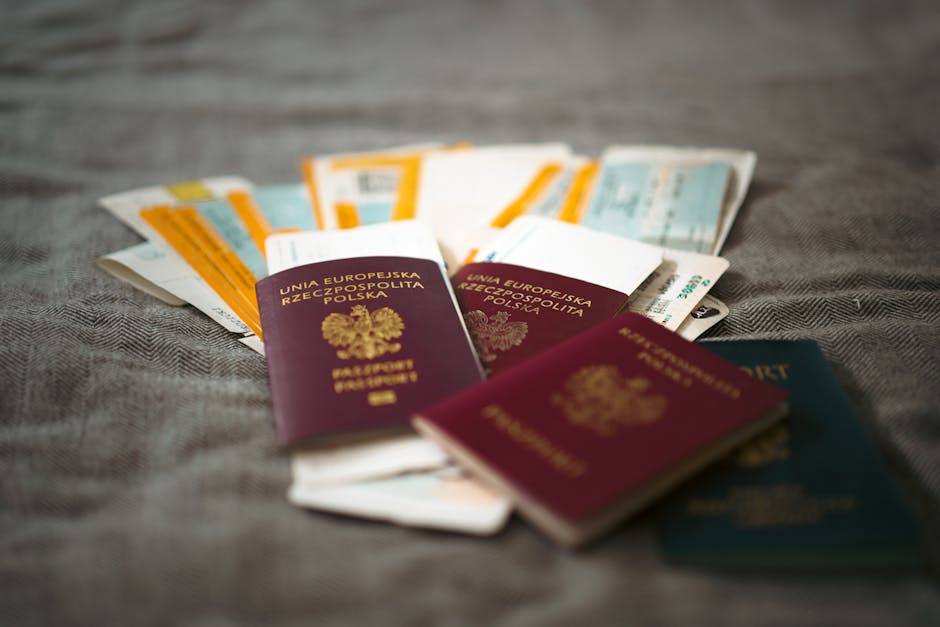
Practical tip: print a mini card (10×15 cm) with 6 key pieces of info: name, date of birth, emergency number, hotel address, insurance policy number and flight number. Keep it in your wallet and save the same info in your phone emergency contacts.
2) Checklist 24 hours before the flight: luggage, transport to the airport and offline access
Goal: prepare luggage, print/check boarding passes, plan your route to the airport and secure offline access to documents.
- Luggage
- Carry-on: standard dimensions for European airlines ~55 x 40 x 20 cm (check your airline). Weight limits vary (7–10 kg). Pack: a change of clothes, medications, chargers, EU adapter (type F).
- Checked baggage: usually 20–23 kg depending on fare; tag it with a paper label and include a copy of your contact details inside.
- Prohibited items: liquids >100 ml in carry-on; liquid medications >100 ml must be declared and accompanied by a prescription.
- Check-in & boarding passes
- Check in online 24 hours before departure (airlines typically open at T-24h). Print or download your boarding pass and save it offline (screenshot, PDF).
- If you need upgrades/payments, do them the evening before to avoid network congestion on travel day.
- Transport to Cristiano Ronaldo Airport (FNC)
- Official airport address: Aeroporto da Madeira — Cristiano Ronaldo, Estrada Aeroporto, 9100-105 Santa Cruz, Ilha da Madeira, Portugal.
- Official taxi: taxi ranks at arrivals. Indicative fare to central Funchal: €25–€35 daytime (07:00–21:00), night surcharge and luggage €5–€8 extra. Journey time: 20–35 minutes depending on traffic.
- Aerobus/shared transfers: approximate price €5–€6 per person to Funchal (bus station). Timetables run according to flight arrivals, roughly every 30–60 minutes; check the local bus company as frequencies vary off-season.
- Car rental (if booked): desks are in the terminal (Europcar, Avis, Sixt, etc.). Pick-up usually 08:00–22:00 depending on the agency; additional fees apply for after-hours collection (typically €20–€40).
- Offline access to documents
- Download essential PDFs: ticket, insurance policy, ID, hotel confirmations. Turn on airplane mode and verify the files open without a connection.
- Save a voice note or text with directions to your hotel and the place name in Portuguese (handy for taxi drivers).
3) Checklist when leaving home / at the airport: security, final checks and boarding
Goal: leave home on time, get through security efficiently and be at the gate 45–60 minutes before takeoff.
- Leaving your accommodation
- Check taps are off, unplug appliances and secure your luggage. Leave a copy of your itinerary with a trusted person.
- Final baggage weight: weigh your bags at home. Repack to avoid fees (checked baggage surcharge often €50–€120 if overweight and not prepaid).
- Arrival at the airport
- Arrive at least 2 hours before a domestic/Schengen flight, 3 hours for intercontinental flights. Check-in desks typically open 2–3 hours prior to departure.
- If you leave your car in long-term parking at Aeroporto da Madeira, expect: Parking P1 (private) approx. €6–€10/day; public lots can be cheaper but further away (check online for seasonal rates).
- Security checks
- Liquids: keep them in a resealable 1-litre bag and pull them out at security. Laptops and tablets must be removed from cases.
- Prohibited items: check your airline’s list. Knives, tools and certain lithium batteries may need to go in checked baggage (or have restrictions).
- Gate & priority boarding
- Be at the gate at least 45 minutes before departure for standard boarding. Passengers with priority (families, seniors, business class) board first as announced.
- If you have a connecting trip on the island (ferry, another flight), check minimum transfer times and keep a 60–90 minute buffer.
4) On arrival in Madeira: formalities, transport, currency and first purchases (addresses, hours, prices)
Goal: save time on arrival by knowing the best access points, useful addresses and prices for essential services.
- Airport — Aeroporto da Madeira (Cristiano Ronaldo):
- Address: Estrada Aeroporto, 9100-105 Santa Cruz, Madeira, Portugal. The airport is open 24 hours; information desks are usually staffed for main arrivals (check hours for red-eye flights).
- Taxi fare to Funchal: €25–€35 (day), €35–€45 (night). Travel time: 20–35 minutes depending on traffic and your hotel. Expect €5–€8 extra for bulky luggage / pets.
- Aerobus / local buses: stop in front of the terminal. Approx. fare €5–€6. Timetables depend on flights and season; services are regular but less frequent at night (consider a taxi for late arrivals).
- Terminal Rodoviário do Funchal (main bus station)
- Approximate location: Praça do Município / Praça do Povo area — station in central Funchal (stops near Avenida Arriaga). Typical intercity bus hours: 06:30–20:00 (varies by route).
- Main operators: Horários do Funchal and Rodoeste for interior lines. Average fares: €2–€5 depending on distance (Funchal → Santana, Porto Moniz, etc.).
- Currency exchange & local SIM
- Exchange offices: better rates in central Funchal (Avenida Arriaga) to avoid high airport fees. Opening hours: 09:00–18:00 on weekdays; usually closed Sunday.
- Prepaid SIM cards (NOS, MEO, Vodafone): counters in town and at the airport. Data plans 10–30 GB cost roughly €10–€25. Activation and help on-site take about 10–20 minutes.
- 24h pharmacy & hospital
- On-call pharmacy (Funchal): the rota changes daily — ask at the airport info desk or your hotel reception. Pharmacy consultations are free; medication prices vary (typically €5–€30).
- Main hospital: Hospital Dr. Nélio Mendonça (Funchal). Emergency services open 24h. Save the number and address in your emergency contacts. For severe emergencies, dial 112.
5) Local tips, safety and final checks before exploring the island
Goal: make the most of your daily time on the island and avoid common pitfalls and extra costs. These recommendations come from local practice and practical observations for savvy travelers.
- Driving & car rental
- Mountain roads: be cautious on narrow, winding roads (ER101, ER103). Driving on the right — the same as mainland Portugal. Rent a suitable car (a stronger engine helps if you plan levadas and high-altitude drives). Average compact rental cost: €30–€55/day excluding full insurance. Add €10–€25/day for full insurance and €20–€40 for after-hours pick-up/drop-off.
- City parking: paid zones (meters), average €0.50–€1.20/hour depending on location. Check enforcement hours (typically 09:00–18:00).
- Weather & gear
- Microclimates: it can be 25°C in Funchal and 15°C up on the plateaus. Bring a windbreaker and hiking shoes if you plan levada walks. Sunscreen and a hat are essential for coastal spots and exposed hikes.
- Health & safety
- WATER: tap water is drinkable in Funchal. In the mountains, use bottled water if in doubt. Pharmacies stock disinfectants and dressings easily.
- Useful numbers: local police + GNR (National Republican Guard) in rural areas. For serious accidents, dial 112.
- Saving money
- Use buses for long distances (Funchal → Porto Moniz, Santana). Booking tours and transfers in advance can cut costs by 10–20% outside peak season.
- Buy local produce at markets (Mercado dos Lavradores, Funchal) for fruit, vegetables and handmade souvenirs — bargaining is sometimes possible when paying cash for multiple items.

Conclusion — Careful planning for a successful trip to Madeira
Madeira rewards well-prepared travelers: dramatic scenery, mountain roads, microclimates and services focused around Funchal and Cristiano Ronaldo Airport. Following this paper and digital checklist gives you a clear plan to travel with peace of mind — from 72 hours before departure to your first hours on the island. Print the key pages (passport/photo, emergency mini-card, hotel details, boarding pass) and save the same pack as an offline PDF: you’ll always have a backup even if you lose network access.
Quick action summary: 1) photocopy and back up your ID and travel documents; 2) check your finances, alert your bank and carry some cash; 3) download essentials for offline use (tickets, insurance, addresses) and print a mini-card; 4) book or confirm airport/hotel transfer — taxi or bus depending on arrival time; 5) bring a basic medical kit and memorize local emergency numbers. With the addresses and rates given, you can estimate costs and plan your travel budget precisely.
Finally, always adapt these suggestions to your personal situation (family, children, pets, special medical needs). If you like, I can turn this checklist into a printable A4 sheet ready to cut into cards (emergency mini-card, packing list, useful contacts) or into a PDF optimized for offline smartphone use. Tell me your travel profile (solo, couple, family) and approximate dates and I’ll tailor timings, transport recommendations and excursion suggestions for the season.