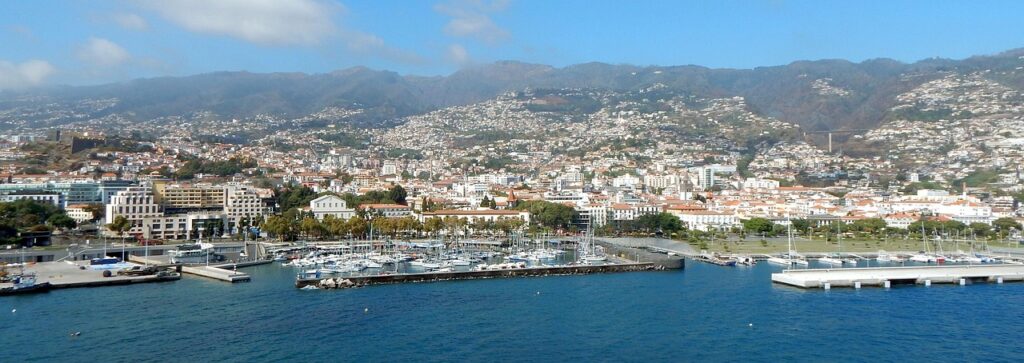






Introduction — Who needs a visa for Madeira (Portugal) in 2026?
Madeira, the Portuguese archipelago in the Atlantic about 700 km southwest of mainland Europe, draws travelers every year with its lush landscapes, levadas, charming villages and mild climate. Visiting Madeira is, in administrative terms, the same as visiting mainland Portugal: the region is part of the Portuguese Republic and follows the Schengen entry rules. So in 2026, the question “who needs a visa for Madeira?” primarily refers to Schengen policy and Portuguese laws on short- and long-term stays.
This up-to-date, comprehensive guide explains in plain English which nationalities must obtain a visa before arrival, the different visa categories, where to apply, how much it costs, what documents to prepare and how to avoid common mistakes. It also includes practical information for travelers once you’re there: useful addresses in Funchal and at the airport, opening hours, fees, local tips and the steps to take if you need to convert a tourist stay into a long-term stay (study, work, family reunification).
Important: for stays under 90 days within any 180-day period, Madeira follows the Schengen rule. That means citizens of many countries (EU, EEA, Switzerland and several non‑EU countries) do not need a visa for a short tourist stay, while others must apply for a Schengen visa (short-stay type C) at a consulate or visa application center before traveling. For stays longer than 90 days, a residence permit or a national visa (type D) issued by Portuguese authorities is required.
This guide breaks down who is affected, the cost of procedures (including indicative 2026 fees: Schengen visa €80 for adults, €40 for children 6–12, free for under-6s), where to complete formalities in person and local tips to make your arrival in Madeira smooth. We list exact addresses and useful opening hours in Funchal and at Cristiano Ronaldo Madeira Airport so you can plan your trip with confidence.
1) General rules: who is exempt and who needs a Schengen visa (short stay)
The key rule to remember in 2026 is simple: Madeira follows Portugal’s entry policy, i.e. Schengen rules. The following people are exempt from a visa for short tourist stays (maximum 90 days within any 180-day period):
- Citizens of the European Union (EU), the European Economic Area (EEA) and Switzerland: a valid national ID card or passport is enough. No visa required.
- Citizens of third countries enjoying Schengen visa-free access: for example, the United States, Canada, Japan, South Korea, Australia, New Zealand, Israel, Brazil, Chile, Argentina (this list is not exhaustive). These travelers can stay up to 90 days without a visa for tourism or business. They must still respect the 90/180-day rule and may be asked on arrival to show proof of funds, accommodation and a return ticket.
Conversely, nationals of countries not exempt must obtain a short-stay Schengen visa (type C) before traveling. This typically applies to, among others:
- Many African countries (depending on the exact nationality; check with the consulate)
- Numerous countries in South and Southeast Asia (for example Afghanistan, Pakistan, Bangladesh for most regular passports)
- Certain countries in Eastern Europe and Central Asia (depending on the passport)
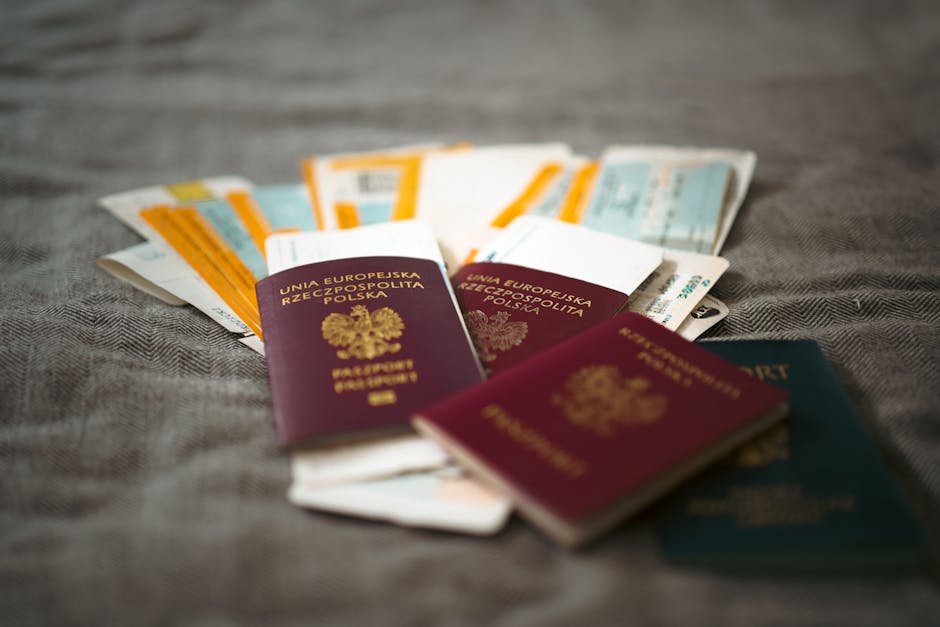
Procedure: apply at the Portuguese consulate responsible for your place of residence or at an accredited visa application center (VFS Global in many countries). Typical documents required: signed application form, passport valid at least 3 months beyond your planned departure date, compliant photo, travel insurance covering €30,000 for medical expenses and repatriation, confirmed hotel booking or invitation letter, proof of financial means (bank statements) and return ticket. Fees: €80 for an adult (standard 2026 rate), €40 for children aged 6–12, free for under 6. Processing times: expect around 15 working days on average, but allow 4–6 weeks during peak season.
2) National visas (type D): stays > 90 days — who needs one and how to apply
If you plan to stay in Madeira for more than 90 days (work, study, family reunification, retirement), a short-stay Schengen visa is not enough. You’ll need a Portuguese national visa (type D) or a residence permit. Main categories include:
- Work visa: for employees posted or hired by a Portuguese company. The employer often needs to obtain prior authorization from Portuguese labor authorities.
- Study visa: for those enrolled in a Portuguese higher education institution (e.g. Universidade da Madeira, Campus Universitário da Penteada, 9000-082 Funchal). You must provide an acceptance letter, proof of financial means and health insurance.
- Family reunification visa: to join a family member who holds a legal residence permit in Portugal.
- Non-lucrative or retirement visa: strict financial criteria and proof of income/savings required.
Where to apply? For an initial visa you usually apply at the Portuguese consulate in your country of residence. Once in Portugal, residence permits are handled by national authorities (in 2026, information is available via Portal das Comunidades or the Ministério da Justiça website). In Madeira, regional immigration and citizenship offices can assist with local procedures (examples: Serviço de Estrangeiros e Fronteiras — local information and reception points). Useful contact for information in Funchal:
- Turismo da Madeira — Praça do Município 1, 9000-034 Funchal. Opening hours: Mon–Fri 09:00–17:30. Tel. +351 291 702 100. (Tourist information point that can advise on procedures and local contacts.)
Practical tips: prepare certified copies of diplomas, employment contracts and bank statements; have required documents translated into Portuguese by a sworn translator; book appointments well in advance (slots can be limited). Indicative fees: national visa costs vary by category (often €75–90), plus administrative and registration fees on arrival (for the annual residence permit).
3) At the airport and on arrival in Madeira: checks, opening hours and useful addresses
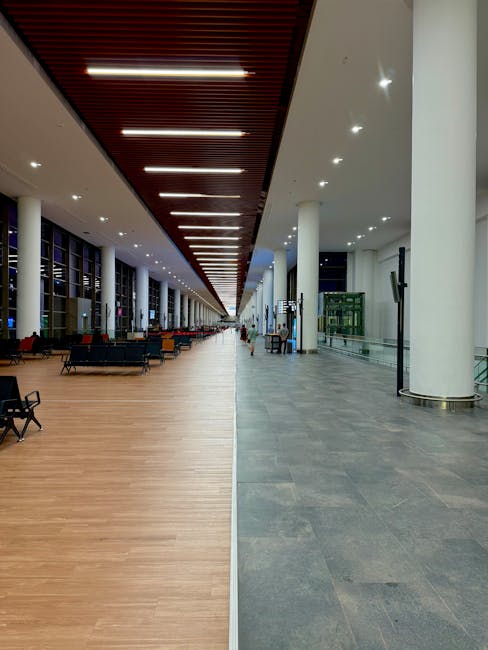
Cristiano Ronaldo Airport (Aeroporto da Madeira Cristiano Ronaldo) is the main gateway to the archipelago. Address: Aeroporto da Madeira — Cristiano Ronaldo, Caminho da Ponte, 9100-145 Santa Cruz, Madeira, Portugal. The airport operates 24/7 for flights, but service desks and information points have varying hours. Passport control on arrival is carried out by border authorities; be ready to show your passport and, if required, your visa or proof of exemption. Also have your accommodation confirmation and onward or return ticket ready.
Useful counters and services in Funchal:
- Polícia de Segurança Pública (PSP) — Avenida Arriaga 5, 9004-518 Funchal. Central station opening hours: 24/7. Use this station in case of lost documents or incidents.
- GNR / Serviço de Estrangeiros e Fronteiras (regional units) — for regularizing a stay and information (book an appointment via the Portuguese government’s online portal).
- VFS Global (visa application centers) — addresses vary by country of residence; check the official VFS Global Portugal site for the nearest center in your country.
Local arrival tips: buy a local SIM card (MEO, NOS, Vodafone) at the airport to stay connected; if you risk exceeding 90 days, contact an immigration lawyer in Funchal (local law firms are listed at the regional court of Funchal). Keep photocopies of all documents and upload them to a secure cloud. If you’re denied entry, follow the instructions given by authorities — an entry refusal can result in a temporary ban from the Schengen area.
4) Practical tips, mistakes to avoid and local resources
Before you go: check your passport validity (at least 3 months beyond your planned date of exit from the Schengen area for a Schengen visa), make sure you have enough blank pages (at least two), purchase travel insurance covering at least €30,000 that meets Schengen conditions. For a visa application, put together a tidy file: fully completed form, recent passport photos meeting standards, proof of accommodation (hotel invoice or rental contract), proof of financial means (bank statements for the last 3 months), insurance, confirmed return ticket and an invitation letter if applicable.
Common mistakes to avoid:
- Traveling without checking the 90/180-day rule — this will lead to refusal of entry if you exceed the limit.
- Submitting untranslated documents when translations are explicitly required.
- Relying on last-minute expedited procedures — processing times are longer during high season.
- Failing to keep both digital and paper copies of all essential documents.
Recommended local resources and contacts:
- Turismo da Madeira — Praça do Município 1, 9000-034 Funchal (traveler information point).
- Aeroporto da Madeira — Caminho da Ponte, 9100-145 Santa Cruz (airport services and information desks).
- Consular services and VFS Global centers: check the official website of the Embassy of Portugal in your country for addresses and appointment details.

Conclusion — Prepare for your trip to Madeira with confidence
In 2026 the main rule is clear: Madeira follows Portugal and Schengen entry policy. If you are a national of an EU/EEA/Swiss country or of a Schengen visa-exempt country (United States, Canada, Japan, etc.), you do not need a visa for a tourist stay under 90 days. If your nationality is not on the visa-exempt list, you must obtain a Schengen visa (type C) from a Portuguese consulate or a visa application center before traveling. For stays over 90 days, a national visa (type D) or a residence permit is required, with separate procedures and fees.
Make sure to check the specific conditions in your country of residence well in advance: VFS Global center addresses, consulate hours and procedures, documents to translate and exact applicable fees. In Madeira, keep handy the useful addresses (Turismo da Madeira — Praça do Município 1, 9000-034 Funchal; Aeroporto da Madeira — Caminho da Ponte, 9100-145 Santa Cruz) and always carry paper and digital copies of your travel documents. With careful preparation — a complete visa file, adequate insurance and realistic timing for applications — your arrival in Madeira should go smoothly, leaving you free to explore the levadas, botanical gardens and coastal villages of this enchanting archipelago.
If you like, I can create a personalized document checklist based on your nationality, or look up consulate and VFS Global center addresses in your country to help you book an appointment. Safe travels and enjoy your stay in Madeira!