





Introduction: understanding transport in Madeira
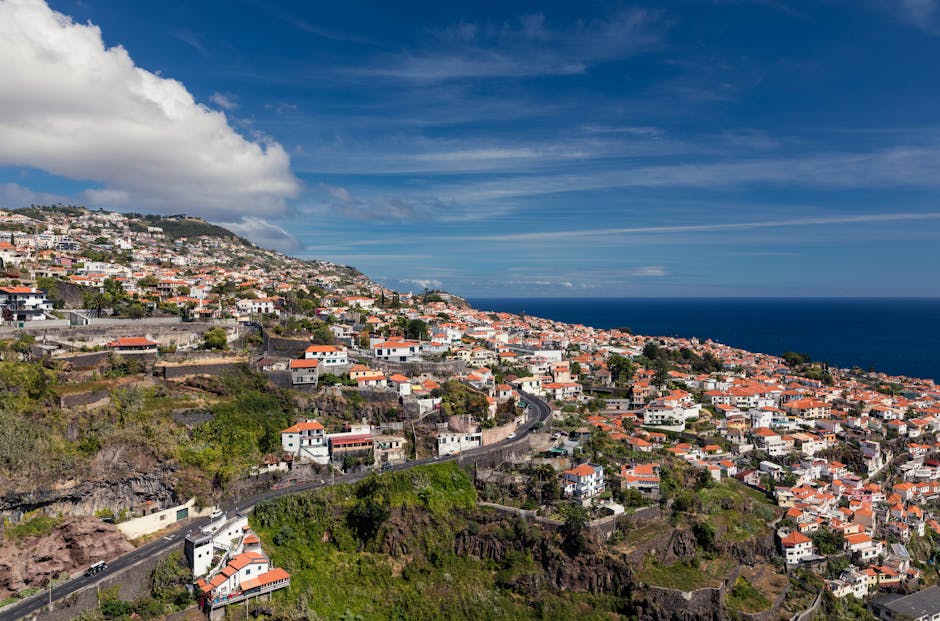
Madeira is an Atlantic archipelago with dramatic terrain, winding roads and sea views that draw travelers who love nature, hiking and a relaxed pace of life. Getting around Madeira takes a bit of planning: between local buses serving towns and villages, ferries that link the main island to Porto Santo and, seasonally, nearby islets, and a road network made up of coastal routes, expressways and mountain passes, each mode has its pros and cons. This practical, in-depth guide gives you a comprehensive overview of public and private transport in Madeira, with addresses, typical schedules, indicative prices in euros and local tips to help you make the most of your journeys.
Here you’ll find usable info to plan travel from the Terminal Rodoviário do Funchal to the airport, to villages like Santana and Porto Moniz, how to catch the ferry to Porto Santo, and how to use main roads like the VR1 and ER101. We also break down the bus companies (Horários do Funchal and Rodoeste), bus stations, typical fares, common ferry times and what to expect when driving mountain roads — including recommendations about road conditions, tunnels and parking areas.
This guide is aimed at independent travelers, families, hikers and novice drivers. Practical details (schedules, prices, addresses) are indicative and based on the latest available information from local operators; always double-check timetables and rates on official sites before you travel. For extra comfort we offer local tips — for example, how to avoid Funchal rush hour, where to buy bus cards and ferry tickets, and how to prepare for switchback roads when renting a car.
Finally, the guide includes visual cues suggesting images to illustrate your trips: sunrise quay scenes in Funchal, city buses near the Mercado dos Lavradores, ferries leaving the port with Monte in the background, VR1 tunnels lit from within, and coastal panoramas from the ER101. These visual markers are provided as image placeholders 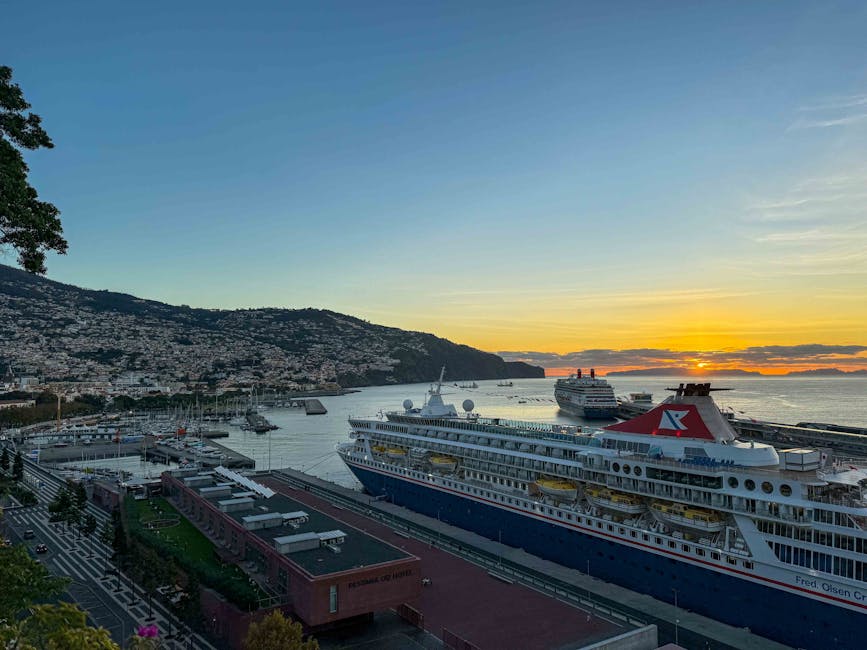 to help illustrate travel journals or presentations.
Buses in Madeira: operators, stations, fares and routes
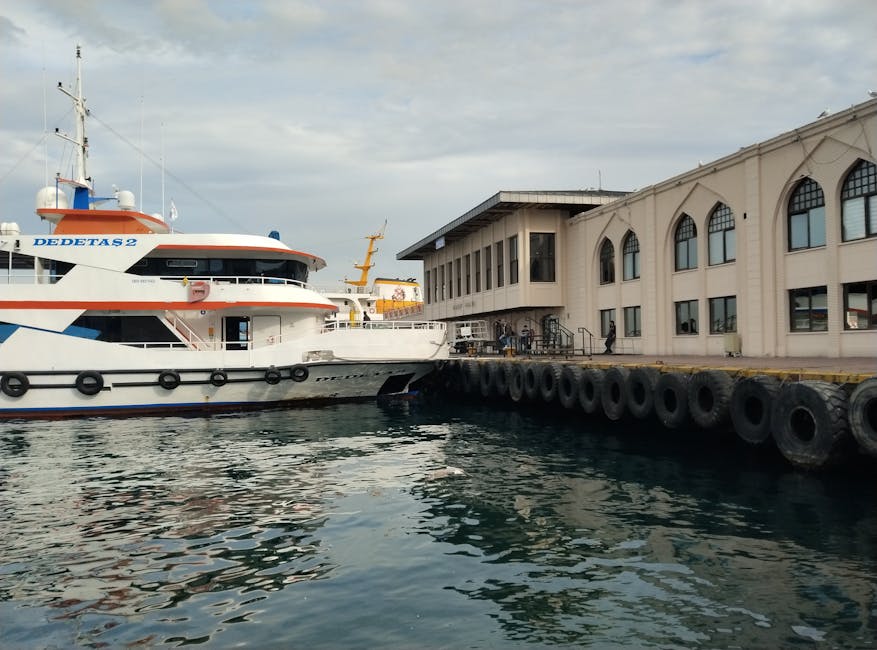
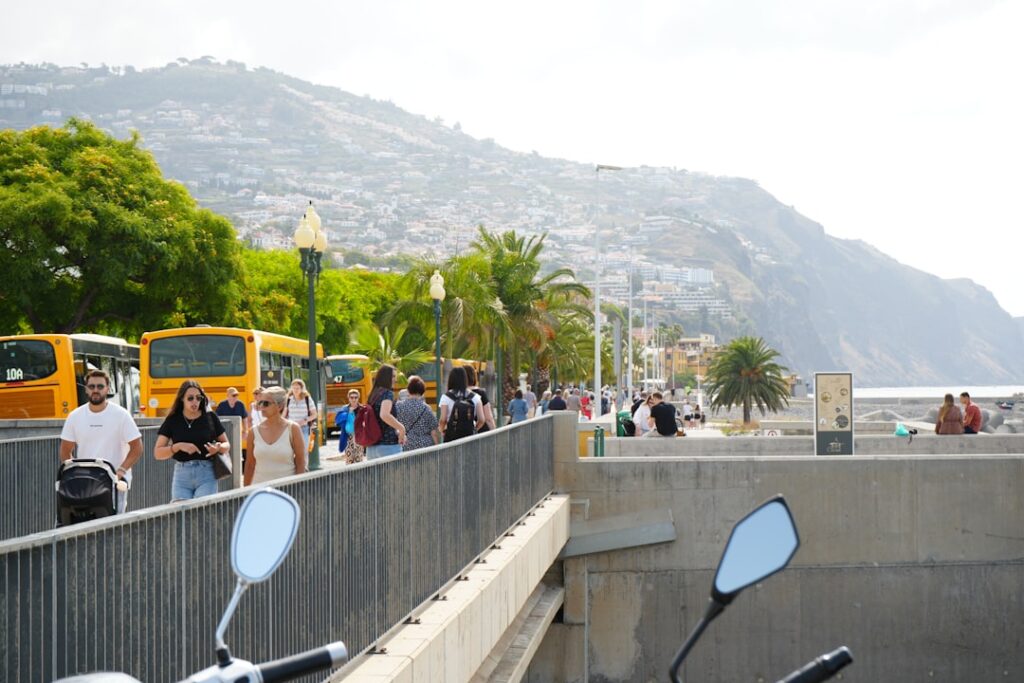
Madeira’s bus network is organized around two main operators: Horários do Funchal (often abbreviated HF) for urban and nearby suburban services around Funchal, and Rodoeste (Região Oeste) for intercity connections covering the north and west coasts. Buses are the cheapest way to get around if you’d rather avoid driving on narrow, twisty roads.
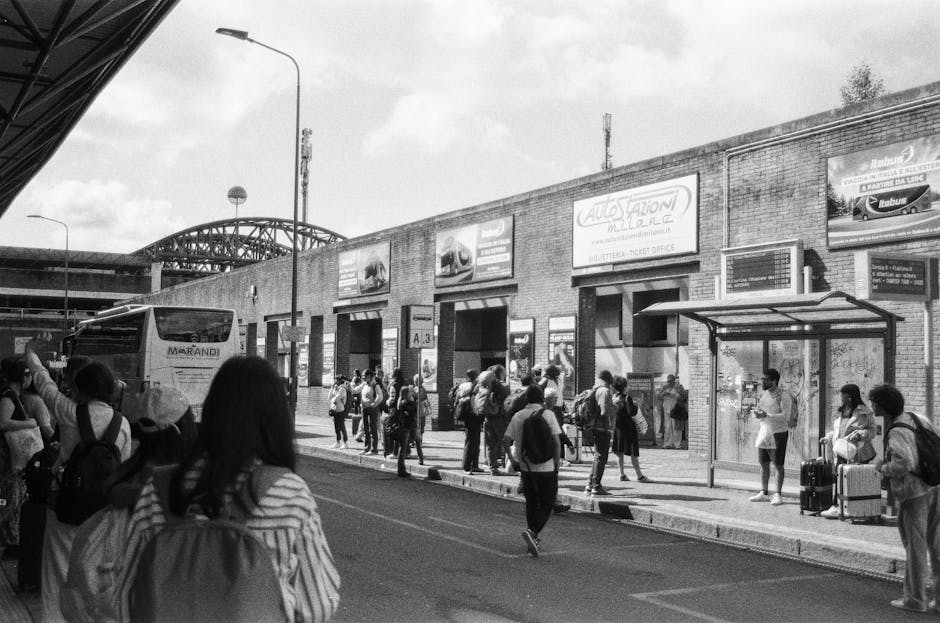
Main station and departure points: most regional connections leave from the Terminal Rodoviário do Funchal (Terminal Rodoviário do Funchal), located at Avenida do Mar / Avenida Sá Carneiro, 9004-513 Funchal, Portugal. This bus station centralizes departures to Câmara de Lobos, Monte, Ribeira Brava, Calheta, Ponta do Sol and as far as Porto Moniz. For routes to the north (São Vicente, Santana), many Rodoeste services also depart from the same terminal or nearby stops along Avenida do Mar.
Horários do Funchal (HF): HF runs most intra-city lines and routes serving close suburbs. Useful address: Escritório de Horários do Funchal, Avenida Sá Carneiro 34, 9000-083 Funchal. Indicative fares: within Funchal a single urban ticket costs roughly €1.50–€2.00 depending on distance; day passes and rechargeable cards (cartão) are available: unlimited 1-day card ≈ €7.50, 3-day card ≈ €18.00 (rates may vary). Typical schedule: frequent daytime departures, about every 15–30 minutes on main lines (07:00–21:00), with reduced frequency in the evening and on Sundays.
Rodoeste: Rodoeste operates interurban routes, notably Funchal ↔ São Vicente ↔ Porto Moniz and Funchal ↔ Santana. Central office: Rodoeste – Terminal Rodoviário do Funchal, Avenida do Mar 12, 9004-513 Funchal. Indicative fares: Funchal → São Vicente ≈ €5.00–€8.00, Funchal → Porto Moniz ≈ €8.00–€12.00 depending on stops; Funchal → Santana ≈ €6.50–€10.00. Timetable: intercity lines run in the morning and afternoon and thin out in the evening; for example Funchal → Porto Moniz might have departures at 07:30, 10:30, 13:30 and 16:30 (indicative times — confirm locally).
Buying tickets and validation: in Funchal buy tickets at the terminal ticket office or directly from the driver (cash accepted; have small bills). Rechargeable cards are sold at HF offices and kiosks in the terminal. If you’re staying several days and expect multiple trips, a rechargeable card is cost-effective. Students and seniors may get discounts — bring ID to confirm eligibility.
Practical tips:
- In Funchal, avoid rush hours (08:00–09:30 and 17:00–19:00) when possible — buses are crowded and journeys take longer.
- If you have large luggage, favor Rodoeste services which offer more space and scheduled departures from the terminal.
- For hikes to Pico Ruivo or levada trails, check return bus times the day before — some village services run only once per day.
- Stops don’t always have shelters: pack sun protection or rain gear depending on season.
Ferries in Madeira: routes, ports, fares and practical schedules
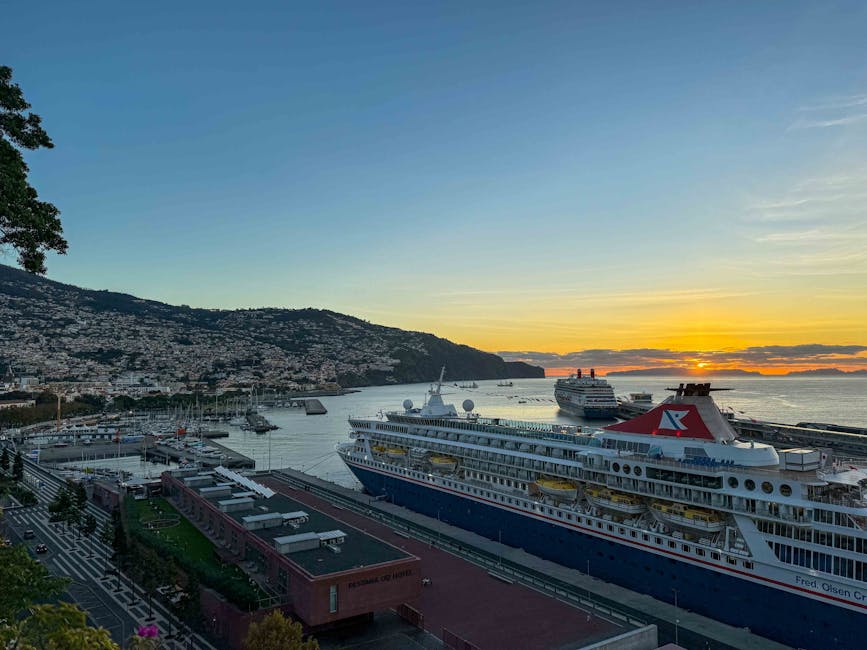
Ferries mainly connect Funchal to Porto Santo, the nearby island famous for its long sandy beach. There are also seasonal or private links to other islets and boat excursions for dolphin and whale watching. The main port is Porto do Funchal (Funchal Port), located in Centro do Funchal, Avenida do Mar, 9000-201 Funchal.
The Funchal – Porto Santo crossing: operated by Porto Santo Line (or alternative operators seasonally). The main ferry terminal for Porto Santo is at Porto do Funchal, Quay L (Terminal de Cruzeiros / Terminal de Passageiros), Avenida do Mar, 9000-201 Funchal. Standard fares (indicative) for an adult passenger: one-way ≈ €28.00–€34.00, round-trip ≈ €50.00–€60.00. For a vehicle (standard car) add typically €60.00–€90.00 per crossing depending on vehicle size and season. Crossing time: about 2h 15min to 2h 30min depending on the vessel and sea conditions.
Typical schedules: frequency is often one to two departures per day depending on season. Example times: departures at 08:00 and 15:00 (times vary in low season). Tickets can be bought online on the operator’s website or at the Funchal Port ticket office (usually open 08:00–20:00 during high season).
Boat excursions and whale/dolphin watching: numerous agencies in Funchal offer boat tours (whale watching, snorkeling) from Porto do Funchal, usually leaving from the passenger terminal, Avenida do Mar 9000-201 Funchal. Typical fares: 2–3 hour trips ≈ €30.00–€50.00 per adult. Departure times: mornings between 09:00 and 11:00, sometimes late afternoon for sunset cruises.
Ferry tips:
- Book in advance to avoid sold-out sailings, especially in summer and around Portuguese holidays.
- Arrive at the port 60–90 minutes before departure if you’re taking a vehicle.
- Bring a jacket even in summer — the deck can be windy and cool.
- Always check sea conditions: crossings may be delayed or canceled in heavy swell.
Roads and driving in Madeira: VR1, ER101 and mountain routes
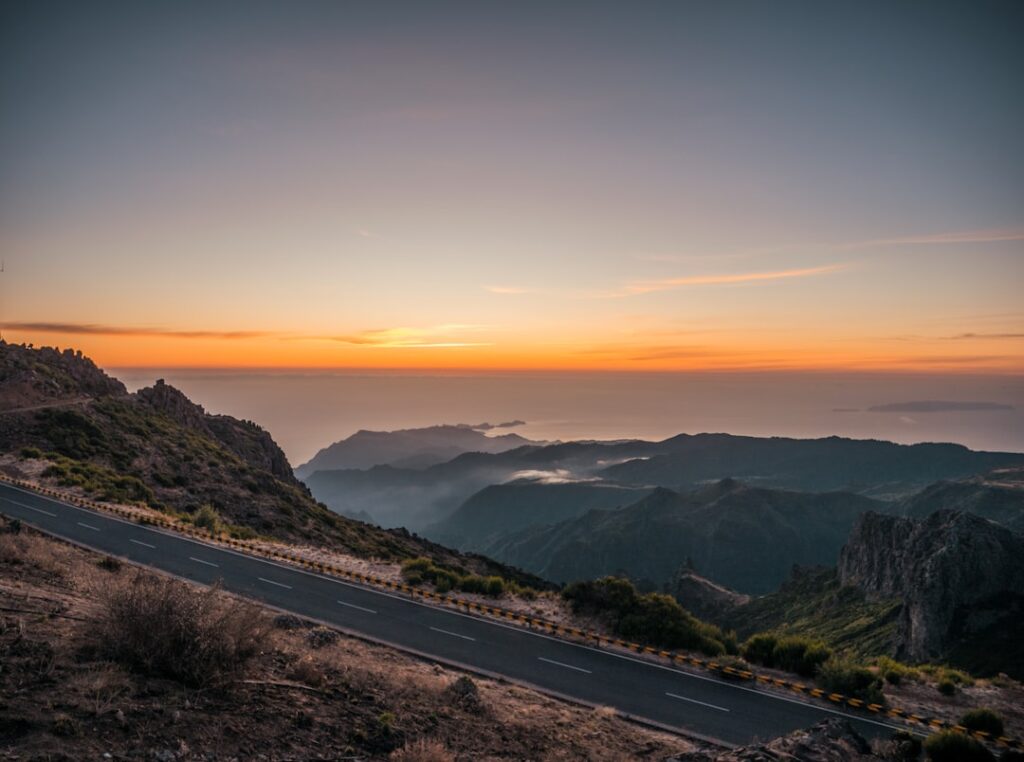
Driving in Madeira gives you the freedom to explore the island, from Porto Moniz’s natural pools to cliffside villages like Santana. However, the topography means narrow roads, many tunnels and tight bends. The two main routes to know are the VR1 and the ER101.
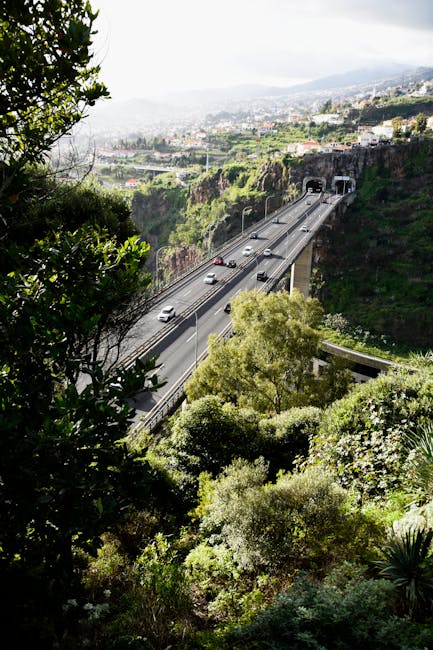
VR1 (Via Rápida 1): VR1 is the expressway that runs along the south coast and links Funchal with Machico and Cristiano Ronaldo Airport (Aeroporto Cristiano Ronaldo, Estrada Aeroporto, 9200-019 Santa Cruz). This two- or three-lane road makes east–south island travel quicker. It includes several modern tunnels that shorten travel times. VR1 is generally well maintained and well signposted. Speed limits are typically 90 km/h outside urban areas and down to 50 km/h when approaching junctions and urban zones.
ER101: ER101 is the main coastal road that partially circles the island and offers panoramic Atlantic views. It links towns such as Câmara de Lobos (Rua 5 de Outubro, 9300-024 Câmara de Lobos), Ribeira Brava (Rua do Município, 9350-209), Calheta (Praça da Autonomia 1, 9370-111 Calheta), Ponta do Sol and Sé. ER101 is often twisty, with single-lane sections in rural areas and steep gradients.
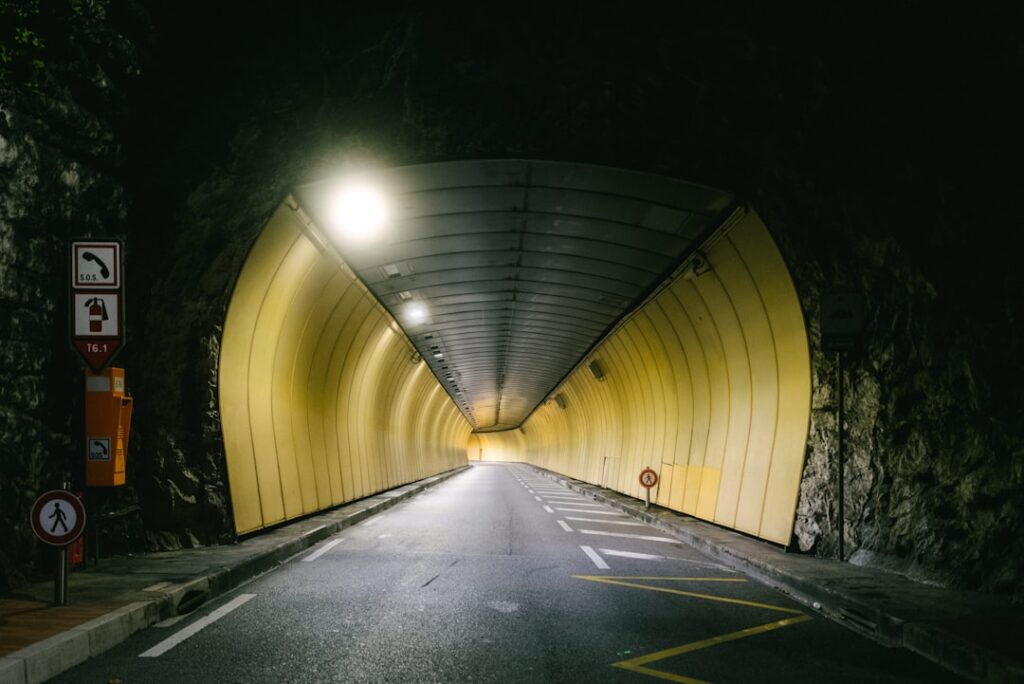
Tunnels and viaducts: Madeira is famous for its modern tunnels that cut through mountains and avoid extreme detours. Tunnels are well lit but can be long: keep a safe distance and obey speed limits. If you’re prone to vertigo, favor VR1 and tunnels over exposed coastal roads with cliffside drops.
Car rental: addresses and prices: major rental companies are at the airport and in Funchal. Example: Europcar Funchal – Avenida Sá Carneiro 20, 9004-513 Funchal; Hertz – Terminal 1, Aeroporto Cristiano Ronaldo, 9200-019 Santa Cruz. Indicative rates: a small car (Fiat 500, Renault Clio or similar) ≈ €25–€45 per day excluding insurance; SUV/4×4 ≈ €45–€80 per day. Supplemental insurance (CDW) often costs €8–€15 per day. Check restrictions for mountain roads and whether you need a more powerful vehicle in winter or for accessing secondary tracks.
Local driving tips:
- Keep fuel topped up: stations are common but less frequent in the island’s northwest.
- Respect limits: speed cameras and patrols operate, especially near tunnels.
- If you’re not used to switchback roads, drive slowly and use passing bays on uphill sections to let faster vehicles through.
- Parking in Funchal: favor paid parking (e.g. Parque de Estacionamento do Lido, Avenida do Lido 9000-018 Funchal) to avoid fines and stress.
Alternative transport and local connections: taxis, transfers and guided tours
Beyond buses, ferries and rental cars, Madeira offers a range of alternative transport options useful for quick transfers, day trips or for those who prefer not to drive. Taxis, private transfers and organized tours are common choices, particularly handy for airport transfers or full-day sightseeing.
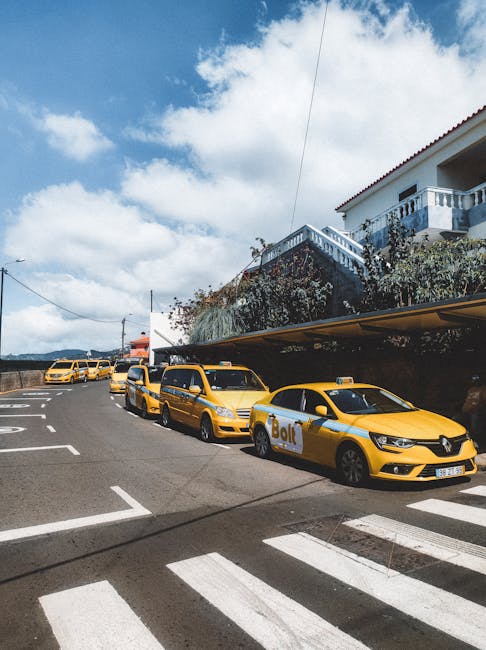
Official taxis: official Madeira taxis are easy to spot and available at the airport taxi rank (Aeroporto Cristiano Ronaldo, Airport Address: Estrada do Aeroporto, 9200-019 Santa Cruz) and around Porto do Funchal (Avenida do Mar, 9000-201 Funchal). Indicative fares: Funchal center → Airport ≈ €20–€25 by day; Funchal center → Câmara de Lobos ≈ €10–€15. Night and Sunday rates may add 20–30%. For a private airport transfer with a driver, expect ≈ €30–€50 depending on vehicle and passengers.
Transfer services and shuttles: many hotels offer airport shuttles. There are also local private transfer platforms. Example booking address: Madeira Transfers – Rua da Alfândega 5, 9000-071 Funchal. Indicative prices: shared transfers ≈ €10–€15 per person, private transfers ≈ €30–€60 depending on route.
Guided tours and day trips: if you prefer to explore without driving, full-day guided tours are a great option. Agencies like Madeira Excursions (Rua dos Reis 10, 9000-044 Funchal) run East tours (Santana & Pico do Areeiro), West tours (Cabo Girão & Porto Moniz) and guided levada walks. Typical rates: half-day tours ≈ €25–€40, full-day ≈ €45–€70. Usual departures: mornings between 08:30–09:30 with returns late afternoon (16:30–18:00).
Practical tips:
- Book in advance for groups, especially in high season.
- Check insurance and cancellation policies: variable weather can affect some activities.
- Local guides often stop for unique photo spots off the typical tourist routes — don’t hesitate to ask.
Practical planning: combining bus, ferry and car for an optimal stay
To make the most of Madeira it’s often smart to combine transport modes: use the bus in town, rent a car for a day trip, and book a ferry for a Porto Santo getaway. Below are sample itineraries and planning tips for different traveler types.
Independent hiker itinerary (5–7 days):
- Day 1: arrive at Aeroporto Cristiano Ronaldo (Estrada do Aeroporto, 9200-019 Santa Cruz). Take a taxi to Funchal center ≈ €20–25.
- Day 2: levada walk and Monte — take an HF line to Monte (departing Terminal Rodoviário do Funchal, Avenida do Mar); urban ticket ≈ €2.00.
- Day 3: rent a car (Europcar Funchal, Avenida Sá Carneiro 20) for a trip to Pico do Arieiro and Pico Ruivo — allow for fuel and driving time; daily rental ≈ €35–60.
- Day 4: Rodoeste bus to Santana to see traditional houses (Funchal → Santana ≈ €6.50–10.00).
- Day 5: ferry trip to Porto Santo (Porto do Funchal, Avenida do Mar) if you want a sandy beach — one-way ticket ≈ €28–34.
Family holiday itinerary (7–10 days):
- Combine taxi or shuttle transfers on arrival, then rent a car for flexible family days out (safer for kids). Secure parking in Funchal: Parque de Estacionamento do Lido, Avenida do Lido 9000-018.
- Plan a half-day ferry trip and a half-day dolphin-watching cruise from the port (boat excursion ≈ €35 per person).
Scheduling tips:
- Check bus timetables the day before and book ferries in advance.
- If your schedule includes hikes, plan return buses around the infrequent services (some villages have a single late-afternoon departure).
- Allow for weather-related delays: mountain roads can become slippery when wet.
Local tips and safety: avoid pitfalls and travel with peace of mind
Madeira is generally safe and welcoming, but a few local tips will help you maximize comfort and safety. Traffic density in Funchal can catch visitors off guard, mountain weather changes quickly, and some areas require cautious driving.
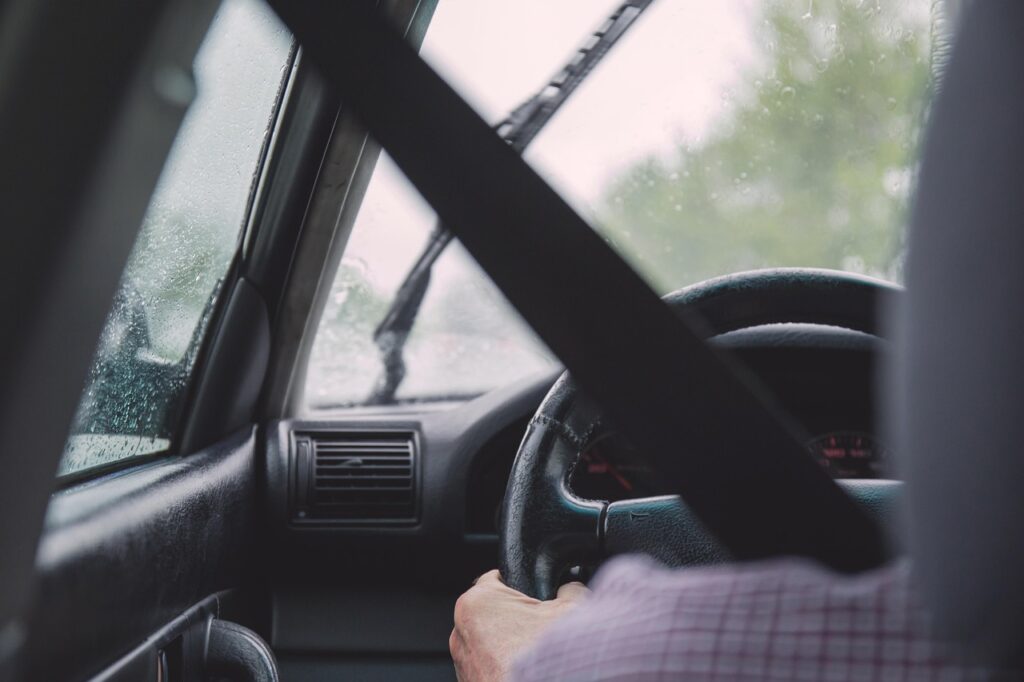
Road safety: obey speed limits and road signs. Madeira’s tunnels are well maintained; use appropriate lights and consider fog lights in heavy mist. Mountain roads can have debris or rockfalls — drive cautiously and avoid risky overtakes.
Health and comfort: always carry water and sunscreen for trips on non-air-conditioned buses or roadside stops. Bus stops may be exposed to sun; in winter evenings at altitude you’ll sometimes need a warm jacket even after a mild day.
Avoid scams: in taxis ask the driver to turn on the meter or agree a fare before starting for tourist-specific trips. For boat trips, choose agencies with visible reviews and clear insurance information.
Useful numbers and addresses:
- Terminal Rodoviário do Funchal – Avenida do Mar / Avenida Sá Carneiro, 9004-513 Funchal – ticket office usually open 07:00–20:00.
- Porto do Funchal (Funchal Port) – Avenida do Mar, 9000-201 Funchal – ferry ticket office 08:00–20:00 (seasonal).
- Aeroporto Cristiano Ronaldo – Estrada do Aeroporto, 9200-019 Santa Cruz – flight info and shuttles 24/7.
- Tourist police / emergency: 112 (Portugal emergency number).
Conclusion: plan well to enjoy Madeira to the fullest
Madeira combines an affordable and practical bus network, ferries that are essential for reaching Porto Santo, and striking roads that make every journey memorable. For a successful trip, plan ahead: check bus and ferry schedules, book rentals and transfers when needed, and choose between public transport and a rental car based on your comfort with mountain driving.
HF and Rodoeste buses let you travel cheaply between Funchal and most points of interest if you factor in intercity frequencies. Ferries offer a beautiful escape to Porto Santo, balancing beach time with hiking. And the roads are one of the island’s major appeals: breathtaking views but tight turns requiring caution and respect for speed limits.
Practically, mix transport modes: use buses for relaxed days in Funchal, a car for an inland or western day trip, and a ferry for island excursions. Book ahead during high season, get a rechargeable bus card if you’re staying several days, and have alternatives in case of changeable weather. Lastly, follow local tips: ask about photo stops, market hours (for example Mercado dos Lavradores in Funchal for local produce) and eateries reachable by bus or on foot from parkings and stations.
Madeira is best discovered slowly, at the pace of the levadas, watching Atlantic sunsets and following roads that reveal secret views. With good preparation, your trip becomes a series of smooth experiences: comfortable buses, calm sea crossings and roads that lead to authentic villages. Have a great trip to Madeira — drive safely, book your crossings and keep your eyes wide open.