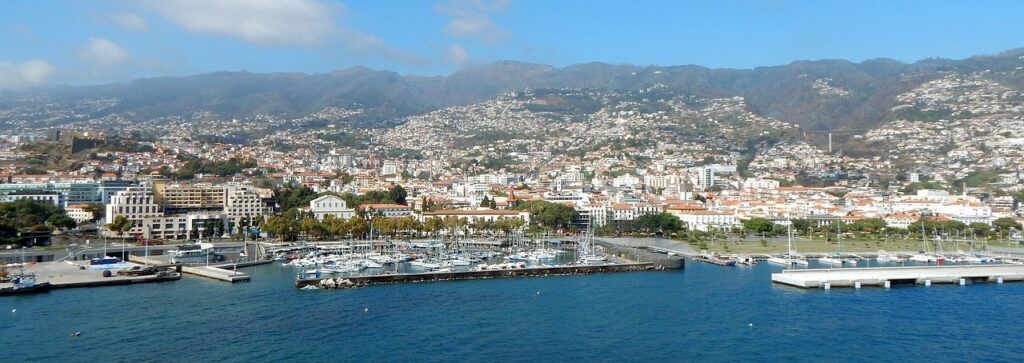






Introduction — Why book a ferry in Madeira and what to expect
Madeira, the Portuguese archipelago off the coast of Morocco, draws visitors with its dramatic cliffs, lush levadas and the golden-sand beaches of Porto Santo. For many travelers, taking the ferry is part of the experience: a sea crossing with Atlantic views, approaches into small harbors and the option to take your vehicle. Booking a ferry in Madeira does, however, require some planning: there are several operators, seasonal timetables, different vessel types (fast catamarans, mixed passenger/vehicle ferries, excursion boats) and varying procedures depending on the route. This practical guide gives you actionable information, step-by-step instructions, checklists, exact addresses, typical prices and usual timetables. The goal: travel with confidence, avoid queues, pick the best slot for the weather and your plans.
In this longer, practical introduction I’ll outline what you’ll find below: how to choose between Atlânticoline (the main regional operator) and occasional services to the Desertas or Porto Santo; when to book — recommended lead times by season and ticket type; where to buy tickets (ticket offices, kiosks, official websites); what information to have ready (ID, vehicle registration, dimensions); and the main embarkation points in Funchal, useful addresses and average crossing times. You’ll also get printable checklists, typical fares — with details on vehicle vs passenger costs — and local tips to reduce seasickness, pick the best seats on board and make the most of the views.
Important: Madeira’s weather can change quickly and the sea can be rough, especially between October and March. Regular routes like Funchal ↔ Porto Santo operate almost year-round, but frequencies increase in summer (June–September). Excursions to the Desertas and Selvagens are seasonal and regulated for conservation reasons: they often need to be booked several weeks in advance. This guide explains exactly how to proceed, including ticket office addresses and opening hours in Funchal, plus a detailed checklist to arrive on time, board smoothly and enjoy the crossing.
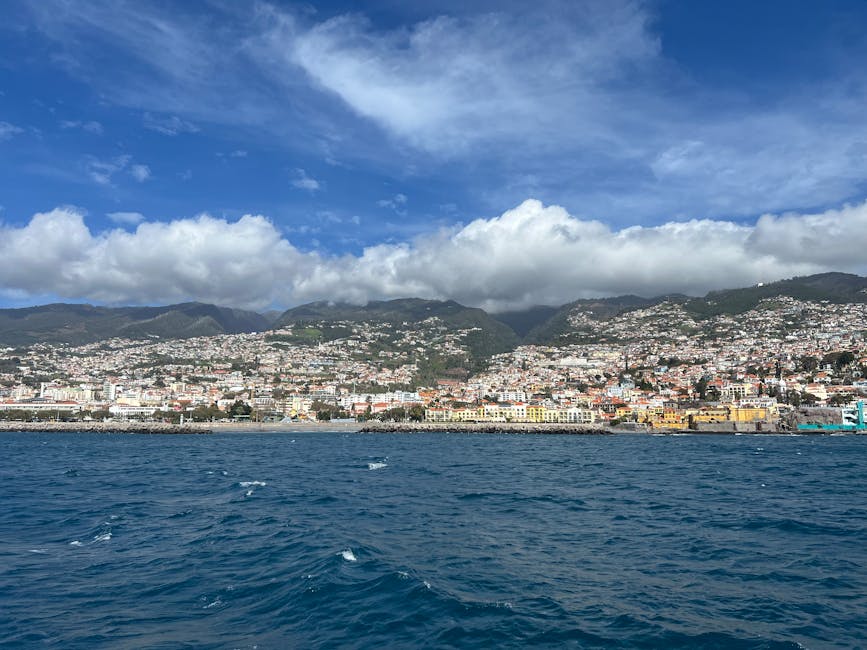
1) Where to buy and book: websites, ticket offices and exact addresses
Step 1: pick the operator based on your destination.
- Atlânticoline / Atlânticoline (inter-island ferries) — the regional operator for Funchal ↔ Porto Santo, and seasonal excursions to the Desertas. Main office in Funchal: Atlânticoline – Escritório do Funchal, Doca do Torreão, Cais do Funchal, 9000-150 Funchal, Madeira, Portugal. Ticket office usually open 08:00–18:00 in high season; reduced hours off-season.
- Porto Santo Line (regular vehicle/passenger service) — contact them for vehicle and freight crossings. Vehicle embarkation point: Porto de Funchal, Marina do Funchal, Cais do Carvão, 9000-221 Funchal (vehicle boarding area). Administrative offices are also at the port; opening hours vary (advance booking recommended).
- Local agencies and tourist offices — Postos de Turismo: Rua da Carreira, 27, 9000-034 Funchal (Posto de Turismo do Funchal). They sell tickets and advise on weather-related changes.
Where to book online (recommended): favour the official Atlânticoline and Porto Santo Line websites to get the best rates and guaranteed boarding. How to proceed:
- Atlânticoline: buy via the official website (search for “Atlânticoline Madeira ferry bookings”) and print or save your e-ticket. Payment by international credit/debit card.
- Porto Santo Line: booking is highly recommended if you’re taking a vehicle (limited vehicle spaces). Be ready with vehicle documents (registration) and the driver’s ID.
- If you prefer buying in person, go to the Atlânticoline desk at Doca do Torreão or the Port of Funchal ticket office 90 minutes before departure (allow more time in high season).
Indicative prices (check current rates before buying):
- Funchal → Porto Santo (fast catamaran): one-way adult approx €28–€40; round-trip often slightly discounted (e.g. €50–€70). In 2024, low-season promos could start at around €24 one-way.
- Vehicle transport (if available): small car/van ~€90–€160 one-way, depending on size and season.
- Desertas excursion (organised day trip): €60–€95 per person, often including a supervised landing and a naturalist guide.
Typical timetables (subject to seasonal change):
- Funchal → Porto Santo: more departures in summer, commonly at 08:30 and 14:00; in low season typically one departure per day, usually in the morning (07:45–10:30). Crossing time: 2h15–2h45 depending on vessel type and swell.
- Desertas excursions: morning departures between 09:00–10:00, returning late afternoon between 16:00–18:00.
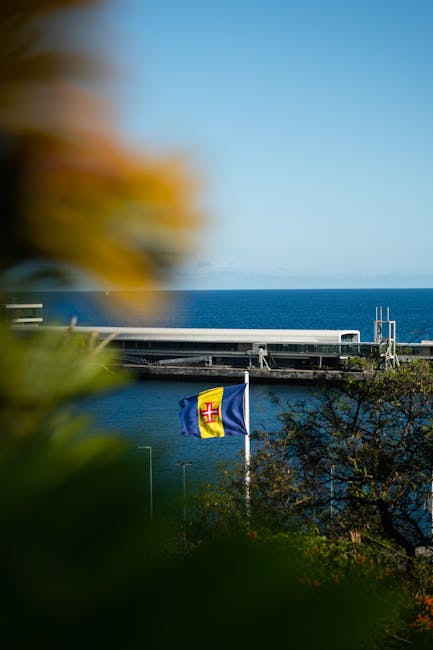
2) Practical step-by-step process to book and embark
Follow these numbered steps for a stress-free booking.
- Check your dates and the weather — four weeks before travel, check the marine forecast (IPMA Portugal) and the ferry timetable. Departures can be cancelled in heavy swell; pro tip: travelling mid-day can reduce the chance of strong morning swell, but always confirm with the forecast.
- Choose the ticket type — passenger only (catamaran), passenger + vehicle (vehicle onboard), excursion (Desertas) or a flexible ticket (changeable). For vehicles, book strictly via Porto Santo Line or by phone at the port office.
- Book online — pay by card, print the PDF or download the QR code. Note your booking reference and the vessel/time number.
- Documents to prepare — valid ID or passport, e-ticket, vehicle registration document if you’re bringing a car, payment confirmation, and accommodation confirmation in Porto Santo if requested.
- Arrive at the port — 60–90 minutes early for foot passengers, 90–120 minutes if you have a vehicle or it’s high season. Arrival point: Marina do Funchal / Cais do Carvão / Doca do Torreão (as indicated on your ticket).
- Check-in and boarding — present the QR code or e-ticket; sometimes a photo ID is taken for control. Boarding is done by zones; follow staff instructions.
- On board — there are indoor and outdoor seats: outdoor for photos but windier; indoor for stability. If you suffer from seasickness, take an antiemetic about one hour before boarding.
Printable pre-departure checklist:
- Printed ticket / QR code
- Valid ID
- Vehicle confirmation + registration (if applicable)
- Cabin luggage / stowage instructions (check if your ticket includes a cabin)
- Seasickness medication (if needed)
- Windproof jacket, sunglasses, camera
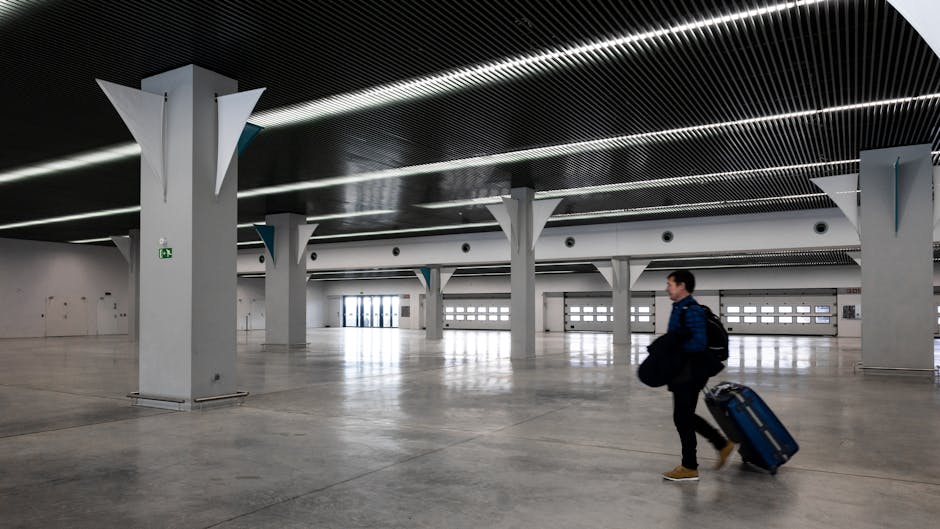
3) Best timing by season, activities and crossing type
Picking the right time isn’t just about the timetable; it’s about matching weather, tides, activities and the length of your stay. Here are targeted tips by period and objective.
High season (June → September): aim for morning or early afternoon departures. Mornings are often calmer with clearer skies; an 08:30 departure typically gives you a full afternoon in Porto Santo (handy if you’re taking a one-way ferry and returning later). Expect longer queues: book 3–4 weeks in advance to secure space and a vehicle slot.
Shoulder season (April → May, October): pleasant conditions and fewer crowds. Booking 1–2 weeks ahead is usually enough outside public holiday weekends. If your goal is hiking or beach time in Porto Santo, choose morning departures to maximise time ashore. For Desertas trips, check the marine mammal-watching window — often April to September — and book early.
Low season (November → March): rougher seas. If you’re prone to seasickness, pick the earliest possible sailing (usually with less swell) or consider flying to Porto Santo (internal flights with SATA/Azores Airlines subject to availability). Booking 3–7 days ahead is generally sufficient, except in stormy conditions when crossings can be cancelled: have a backup plan (extra night in Funchal).
Timing when travelling with a vehicle: loading takes longer (weight checks, securing). Allow 120 minutes in advance, especially if the marina is busy. Vehicle fares and space are limited — reserve at least 2–4 weeks in high season.
4) Local tips and advice for a pleasant crossing
Here are practical tips gathered from local guides and captains:
- Choose a central outdoor seat to avoid the most pronounced rolling (sit near the vessel’s longitudinal centre). Avoid the stern if the sea is very rough.
- Buy snacks at Mercado dos Lavradores, Rua da Alfândega, 9000-018 Funchal, before departure (open 07:00–19:00). On some vessels catering is limited.
- If you’re on a naturalist excursion to the Desertas, bring binoculars, sunscreen and water (excursions often have no provisioning). Strictly follow island rules to protect the nature reserve.
- Contact the Atlânticoline ticket office the day before if the weather is uncertain: +351 (Portugal) using the number shown on your booking — confirm the local number on the official site.
- If you plan to take a vehicle, check permitted height and length at booking time; quay access can be restricted.
Money-saving tip: book your return at the time of purchase — round-trip fares are often 10–20% cheaper than two separate one-way tickets. For longer stays in Porto Santo, compare prices with occasional charter flights (sometimes cheaper in low season).

Conclusion — Practical summary and final recommendations
Booking a ferry in Madeira is straightforward if you follow a clear process: pick the operator for your route (Atlânticoline for most lines, Porto Santo Line for vehicles), book early enough for the season, arrive at the port with the right documents and respect boarding deadlines. Prices vary: expect roughly €28–€40 for a one-way passenger ticket Funchal → Porto Santo, and €90–€160 for a vehicle (one-way, depending on size and season). Timetables change with the season: multiple departures are available in summer (morning and afternoon), while low season commonly sees one daily sailing. For Desertas outings, budget €60–€95 for guided trips.
Final tips: print your e-ticket, arrive 60–120 minutes before departure depending on whether you’re on foot or driving, wear a windproof jacket and take seasickness meds if you’re prone to it. Check the marine forecast and call the Atlânticoline desk the day before to confirm the sailing. Finally, respect environmental rules on protected excursions like those to the Desertas — these islands are fragile and access is regulated.
Follow these steps and checklists and your inter-island crossing will be well organised, safe and smoothly paced: you’ll be able to enjoy Atlantic panoramas, Porto Santo’s beaches or protected marine reserves with peace of mind. Have a great trip and a smooth crossing!