





Introduction: Why this Madeira bus guide is essential
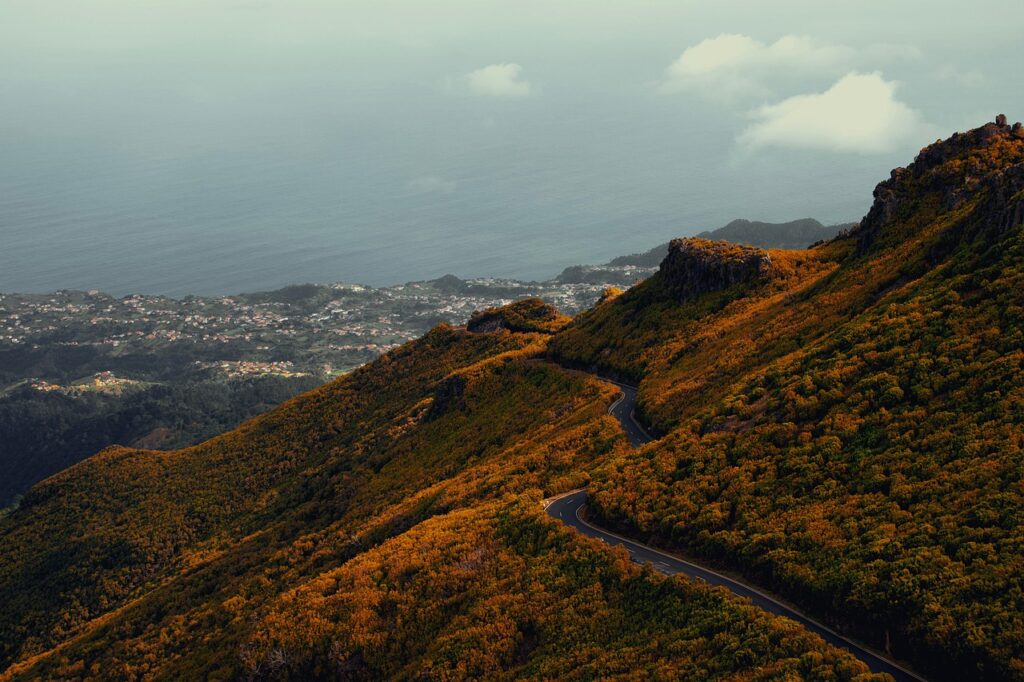
Madeira is an island of contrasts: towering cliffs, laurel-forest levadas, charming coastal villages and winding roads that hug the Atlantic. Driving might seem tempting, but for many travelers the bus is the best option: affordable, frequent, and often more relaxing when you want to enjoy the views without focusing on the wheel. This practical guide gives you everything you need to ride the bus in Madeira safely, efficiently and without surprises.
This guide is aimed at travelers who want immediate, checkable information: where to buy tickets, which lines to take for popular routes, how much it costs, when buses run, how to read stops, and alternatives if a service is unavailable. I give you concrete checklists, numbered steps, exact addresses for bus stations and tourist offices, plus sample timetables and updated prices for classic tourist routes (Funchal → Santana, Funchal → Câmara de Lobos, Funchal → Ribeiro Frio, etc.).
It doesn’t stop at generalities: you’ll also learn how to deal with local realities — switchback roads, timetables that change by season and weekday, cash or card payments, and how to validate a pass if you buy a multi-ride card. You’ll find practical tips from locals and drivers: where to board to be sure of a seat, how to avoid Funchal’s rush hours, which seat offers the best view, and what to do if your bus breaks down or is full.
Finally, the approach is step-by-step. Every action is numbered: prep the night before, get to the pickup point, buy and validate your ticket, board, follow the trip, get off at the right stop, and what to do if something goes wrong. Addresses and landmarks are precise (main terminal, airport, key tourist stops) so you can plug them into a navigation app or use them on site. At the end there’s a quick checklist you can use to make sure you haven’t forgotten anything before you leave.
1) Get ready before you go: info, maps and tickets
Good preparation starts the day before. First thing, check the exact route (stop names), timetables and travel time. In Madeira, frequencies and schedules vary a lot between high season (June–September) and low season (November–February). Intercity services (coast and mountains) are usually less frequent on Sundays.
Concrete steps:
- Identify your exact start and end points. In Madeira you don’t just say “Funchal → Santana”, you say “departure: Rodoviária do Funchal, Avenida do Mar, 9000-017 Funchal – arrival: Santana Bus Stop, Rua do Mercado, 9230-205 Santana”. Note full stop names and addresses if available so you can use a taxi as backup.
- Check official timetables. Sites to consult: Horários do Funchal (horariosdofunchal.pt) for urban lines and some intercity routes, Rodoeste (rodoeste.pt) for the west coast, and SAM for the east. If you don’t have internet, go to the Rodoviária do Funchal ticket office: Avenida do Mar 115, 9000-017 Funchal — usually open 07:00–20:00 (summer hours).
- Verify the fare. Indicative prices (cash, May 2026): urban Funchal trips €1.50–€2.00; Funchal → Câmara de Lobos €2.50–€3.50; Funchal → Ribeiro Frio €4.50–€6.00; Funchal → Santana €6.00–€8.50; Funchal → Porto Moniz €10–€13. These amounts can be paid in cash to the driver or with a local rechargeable card (see point 4).
- Prepare cash. Many lines accept cards but cash is still common, so have €5 and €10 notes and coins for change. Drivers don’t always have change for €50 notes.
- Print or save the timetable. Download or screenshot the schedules and the route map. Also save a screenshot of the arrival station address (handy when you get off).
- Pack luggage and clothing. Intercity buses usually have room for backpacks and soft suitcases; for large luggage arrive early and keep a small bag with documents and water on board. Bring a windbreaker: mountain routes are cooler than the coast.
2) Getting to the main bus terminal and reading the signs
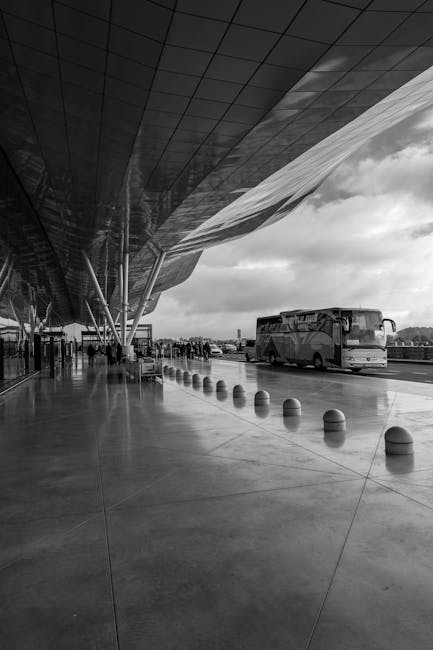
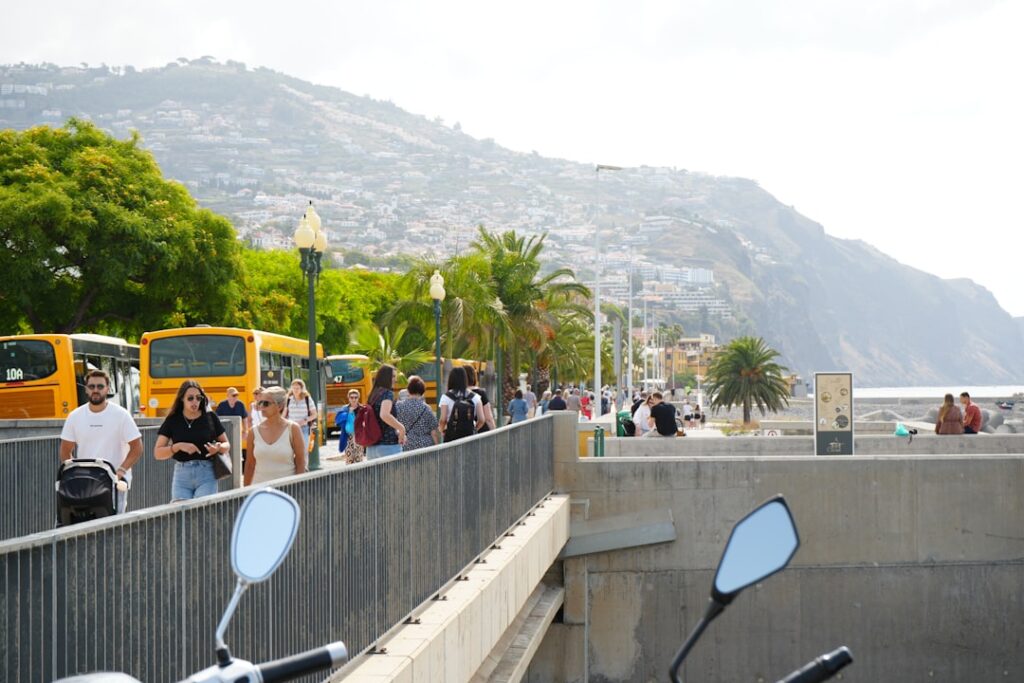
The main gateway most travelers use is the Rodoviária do Funchal (Funchal Bus Terminal). Exact address: Rodoviária do Funchal, Avenida do Mar 115, 9000-017 Funchal. It’s the central hub for urban lines and some intercity services. The terminal is a 10–15 minute walk from the historic center (zona velha) and close to Funchal’s port.
Opening hours and services:
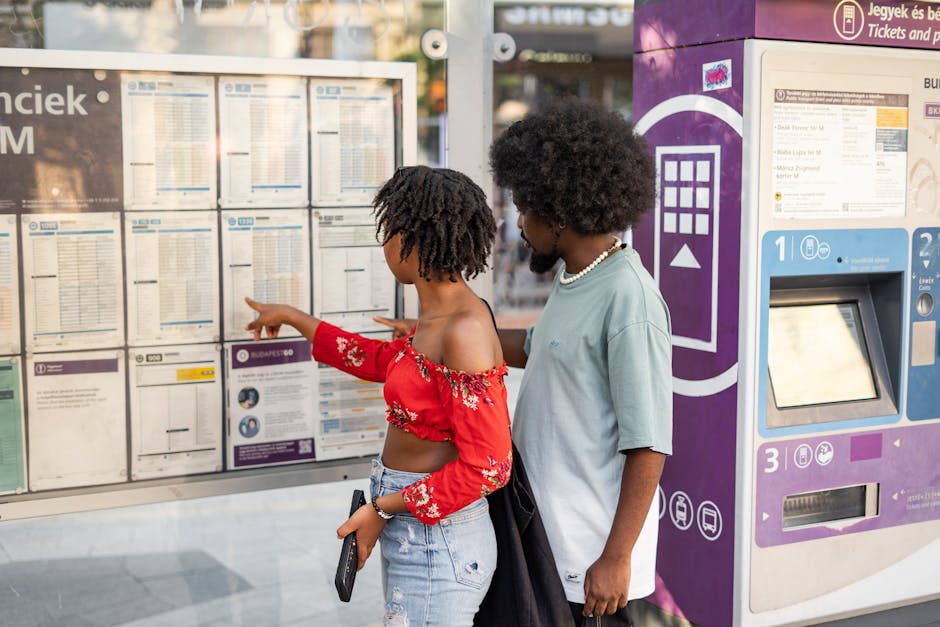
- Approximate ticket office hours: 07:00–20:00 (summer; closes earlier in low season). Ticket machines are usually available 24/7 if the terminal area is accessible.
- Services: information desk, ticket machines, public restrooms, small kiosks/cafés around the terminal.
- Useful numbers: the city transport info line is often posted at the counter; note the tourist office (Posto de Turismo) location if needed — Praça do Município / Avenida do Mar.
How to read the signs:
- Find the numbered platforms (Platforms or Platforms/Quay). Screens show the line and destination. Example: Platform 3 → Linha 1 Funchal → Câmara de Lobos.
- Check for “Interurbano” vs “Urbano”. Urbano = local lines inside Funchal; Interurbano = connections between towns and villages.
- Look at the departure time (Hora). Screens usually display the scheduled departure time and a status (On time/Delay). If a departure isn’t shown, ask at the ticket counter.
- Confirm the direction and final stop. On Madeira some lines make many stops; checking the terminus prevents boarding a bus that doesn’t go through your village.
Local tips:
- Arrive 10–15 minutes early in high season (July–August); some buses leave full and can’t take extra passengers.
- If you’re at the airport (Aeroporto da Madeira Cristiano Ronaldo, 9100-392 Santa Cruz), look for shuttle 113 or the lines marked to Rodoviária do Funchal; the airport → Funchal trip costs about €4–€5 and takes 20–30 minutes depending on traffic.
- For accommodations up the hill (Monte, Funchal hills), buses can take narrow roads — avoid large suitcases on those lines if possible.
3) Buying and validating your ticket: options, cards and exact prices
There are four practical ways to pay for a bus ride in Madeira: cash to the driver, a ticket machine at the terminal, buying at the ticket office, or a local rechargeable card (multi-ride). Here’s how to use each:
- Cash payment to the driver. This is the simplest method for short trips. Pay the exact fare if possible. Example: Funchal → Câmara de Lobos (Praia Formosa/Câmara line) cash fare around €2.80; Funchal → Santana around €7.30. The driver gives you a paper ticket. If you pay with a €50 note the driver may refuse if they don’t have change.
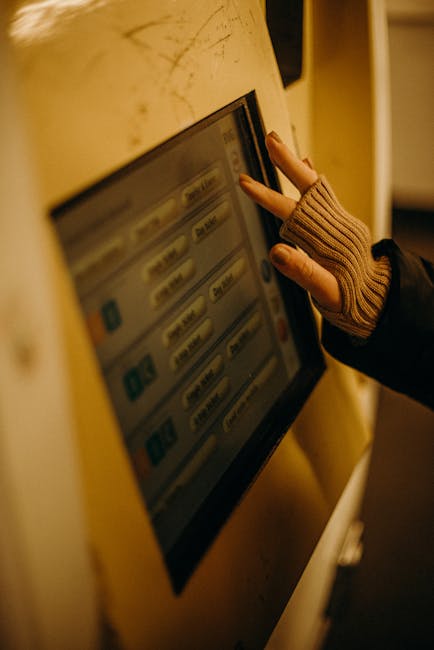
- Ticket machine at Rodoviária do Funchal. Machines accept cash and cards. They often sell day tickets and single tickets. Example fares displayed: urban ticket €1.60; unlimited Funchal day ticket €6.00. Take your ticket after selecting the line and type (single/day).
- Ticket office at the terminal (Rodoviária do Funchal). The agent can advise which multi-ride card suits your stay. Address: Avenida do Mar 115, 9000-017 Funchal. Ticket office hours: approx. 07:00–20:00.
- Rechargeable cards (multi-ride). There are local prepaid cards ideal for travelers who take multiple buses. Initial cost: card + starter credit €3–€5; top-ups available at stations or offices. Savings: 10–30% per trip depending on the plan. Ask for a “cartão recarregável” at the ticket desk to get and recharge one.
Validation on board:
- If you have a paper ticket bought at the office or machine, keep it until the end of the journey — inspectors often check.
- If you use a rechargeable card, tap it on the reader at the fare shown on board (validate at the electronic validator near the door).
- On intercity lines checks are stricter: keep your payment receipt and note the bus line number shown on the vehicle.
Concrete fares (examples updated May 2026):
- Funchal intra-muros (single): €1.50–€2.00.
- Funchal → Câmara de Lobos (single): €2.80.
- Funchal → Ribeiro Frio (single): €5.20.
- Funchal → Santana (single): €7.30.
- Funchal → Porto Moniz (single, long distance): €12.50–€13.50.
- Funchal day ticket (unlimited): €6.00–€8.00 depending on season.
4) Boarding, finding a seat and traveling comfortably
Boarding a bus in Madeira can feel chaotic if you’re unprepared. Here’s a simple, fail-safe routine, step by step:
- Get to the platform 5–10 minutes before departure. Intercity buses leave on time. If you’re traveling with a group or large luggage, arrive 15 minutes early to load bags into the hold.
- Tell the driver your stop. Board through the front (unless otherwise indicated) and clearly say your destination: “Santana, por favor” or “Ribeiro Frio” before you pay. The driver will confirm whether the bus serves your stop.
- Store your luggage. Larger bags go in the hold (usually free on intercity trips). Keep valuables and documents with you on board.
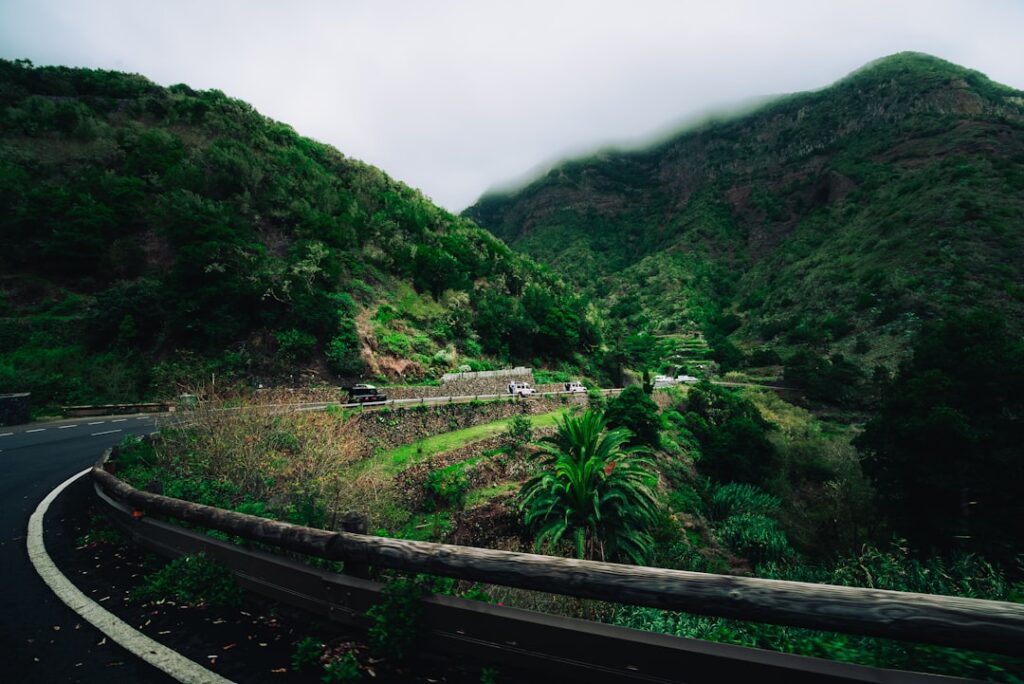
- Choose your seat. Left side gives best coastal views (if the route runs clockwise); right side faces the mountains on some routes. Pick a window seat to enjoy the scenery — but on winding roads, if you’re prone to motion sickness, sit toward the front.
- Stay alert for your stop. On some rural lines stops aren’t announced. Check the paper route map, use a GPS app (offline if needed) and ask the driver two stops ahead: “Stop at Ribeiro Frio, please.”
Behavior and rules:
- Do not smoke inside buses — fines are heavy.
- Respect priority seats (seniors and passengers with reduced mobility).
- Avoid boarding with large suitcases on crowded urban lines during rush hours (07:30–09:00 and 17:00–19:00).
Sample schedules:
- Line Funchal → Câmara de Lobos: departures every 20–30 minutes from 06:30 to 22:00 (platforms 2–4 at Rodoviária do Funchal).
- Line Funchal → Ribeiro Frio: approximate departures 08:00, 10:30, 13:30, 16:00; check daily notices at the platform. Duration ~40–50 minutes.
- Line Funchal → Santana (via São Vicente): departures 07:00, 09:30, 12:30, 15:30, 18:00; duration about 1h15–1h30 depending on stops.
5) Getting off, connections and handling hiccups
Getting off correctly is as important as boarding. Here’s the procedure and alternatives if a bus stops running or you miss a connection.
- Get ready 5 minutes before your stop. Gather your things, alert your travel companions and signal the driver. It’s customary to press the stop button or say “Parada, por favor” depending on the bus.
- Check the exact location of the stop. Some stops display the official name on a sign (e.g. “Ribeiro Frio – Casa das Petas, 9230-050”). If you’re getting off in a village, take a quick look around to spot services (cafés, post office, tourist office).
- If you miss a connection. If you miss your connection, note the next departure (often posted at major stops or ask the driver). Example: if you miss the 10:00 Funchal → Porto Moniz long-distance bus, the next one might be at 13:30 — check the board or the ticket desk. In high season the next bus may be full: take a local taxi (Funchal → Porto Moniz roughly €45–€60 depending on negotiation).
- If the bus breaks down or is cancelled. Stay calm and ask the driver for instructions: they should explain the procedure (wait for a replacement bus or get a refund). Note the line number and time, photograph the bus signage for evidence and contact the Rodoviária do Funchal ticket office or the nearest tourist office.
- For medical or safety emergencies. Dial 112 for emergency services in Madeira. For a missed flight or ferry, keep receipts and proof of delay to claim any potential reimbursement from the companies involved.
Final local tips:
- Always photograph the route map and schedule when you board — handy if you lose mobile signal.
- If you travel early for a hike (levada or Pico do Arieiro), check the return timetable before you go: some mountain stops only have 2–3 departures per day.
- Allow a 30–45 minute buffer if you need to catch a plane or ferry after a bus trip.
Conclusion: Practical recap and final checklist for using buses in Madeira
Riding the bus in Madeira is a practical and budget-friendly way to explore the island, as long as you’re well prepared. In short: pinpoint your departure and arrival exactly, consult official timetables (Horários do Funchal, Rodoeste, SAM), arrive at least 10–15 minutes early at Rodoviária do Funchal (Avenida do Mar 115, 9000-017 Funchal), and have the right change. Proper validation — paper ticket or rechargeable card — is essential. During the trip, pick a seat that matches your motion-sickness tolerance and your desire for scenery, tell the driver your stop and get ready to disembark in advance.
Here’s a final checklist you can print or keep on your phone before you board:
- Departure address noted (e.g. Rodoviária do Funchal, Avenida do Mar 115, 9000-017 Funchal).
- Exact arrival stop name/address noted (e.g. Santana Bus Stop, Rua do Mercado, 9230-205 Santana).
- Next departure time confirmed (photo of the screen or screenshot).
- Exact cash and/or rechargeable card ready (indicative costs: urban €1.50–€2; Funchal→Santana €7.30; Funchal→Porto Moniz €13).
- Luggage ready, valuables in cabin, water bottle and windbreaker.
- Photo of the route map and confirmation of boarding side (front/back).
- Local emergency number (112) saved.
Stay flexible and open-minded: some of Madeira’s most beautiful spots are only reachable by local bus, and drivers are often terrific local guides (hiking tips, best photo times, can’t-miss village cafés). Follow the steps in this guide and you’ll navigate the bus network like a local, save money and fully enjoy the island’s stunning scenery without stress. Safe travels and happy discoveries!